
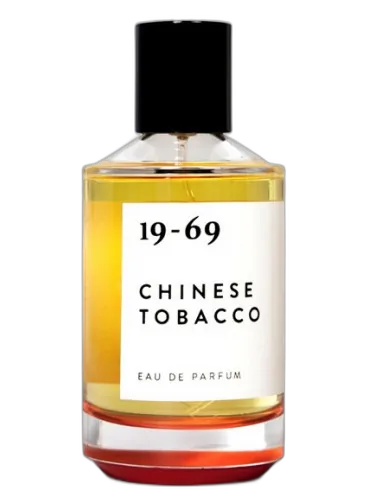
Chinese Tobacco 19-69
At a glance
Is Chinese Tobacco 19-69 worth trying?
Chinese Tobacco by 19-69 is a Woody Spicy fragrance for women and men.
- Best match
- Evening wear in Fall
- Performance feel
- Very Good longevity with Strong sillage
- Signature profile
- woody, amber, tobacco with Tobacco, Bergamot, Lemon
The first impression
Chinese Tobacco by 19-69 is a Woody Spicy fragrance for women and men. Chinese Tobacco was launched in 2017. Top notes are Tobacco, Bergamot, Lemon and Red Pepper; middle notes are Ginger and Coriander; base notes are Coal Tar, Resin, Vetiver, Cedar, Vanilla, Incense and Agarwood (Oud).
What shapes the scent
The perfumer behind it

Johan Bergelin
Johan Bergelin is the creative force behind 19-69, known for counterculture-inspired scents. Chinese Tobacco, La Habana, and Purple Haze reflect his love for unconventional notes like cannabis and psychedelic florals. His fragrances capture the rebellious spirit of the 1960s. Bergelin's work appeals to free spirits and risk-takers.
Notes pyramid
Top Notes
First impression · 15-30 min
 Tobacco
 Bergamot
 Lemon
Lemon
 Red Pepper
Heart Notes
Core character · 2-4 hours
 Ginger
 Coriander
Base Notes
Lasting impression · 4+ hours
 Coal Tar
Resin
Coal Tar
Resin
 Vetiver
 Cedar
Cedar
 Vanilla
 Incense
 Agarwood (Oud)
The mood it creates
The Archetype Archetype: Portrait of Chinese Tobacco 19-69
Essence
This is a person who seeks transformation-not through brute force, but through the slow, deliberate burn of experience. The Alchemist is drawn to the hidden meanings in things, the way scent can evoke memory, the way smoke curls into abstraction before dissolving. Chinese Tobacco, with its blend of spice, leather, and a whisper of something floral beneath the surface, suits them perfectly. It is not a fragrance for the obvious or the immediate; it is for those who appreciate the slow reveal, the layers beneath the surface.
The Alchemist is not content with the given. They must dissect, refine, and reconstruct reality in their own image. They are drawn to the esoteric, the intellectual, the sensual-but always with a sense of control, of curation. They do not lose themselves in excess; they savor it, turning indulgence into an art.
Shadow
Yet the Alchemist’s greatest strength is also their weakness. Their insistence on refinement can become a cage. They grow impatient with what they see as mediocrity, dismissing those who do not meet their standards. Their love of depth can make them disdainful of simplicity, mistaking it for shallowness.
They risk becoming too self-contained, too detached. Their reluctance to expose their inner world can make them seem cold, even to those who love them. They may retreat into their own mind, mistaking solitude for strength when, in truth, even the most self-sufficient soul needs connection.
And sometimes, their alchemy fails. The transformations they seek-in themselves, in others, in life-do not always materialize. When reality refuses to bend to their will, they may grow bitter, resentful of a world that does not match their vision.
Conclusion
Their tastes are deliberate, never accidental. They prefer the weight of a well-bound book, the texture of aged paper, the burn of a single-malt whiskey sipped slowly. Their wardrobe leans toward structured minimalism-tailored but never stiff, with fabrics that suggest luxury without announcing it. Leather jackets, dark wool, a single piece of vintage jewelry worn as a talisman.
Philosophically, they are drawn to thinkers who straddle the line between order and chaos-Nietzsche, Jung, Pessoa. They believe in self-creation, in the power of the individual to shape their own meaning. Yet they are not reckless individualists; they understand that true freedom comes from discipline, that the most profound transformations are the ones that happen beneath the skin.
Relationships are both a fascination and a challenge. They attract others effortlessly-there is something magnetic in their quiet intensity-but they struggle with vulnerability. They prefer connections that are layered, conversations that unfold over time. They are not quick to trust, but once they do, their loyalty is fierce. Their love is not demonstrative but deep, expressed in gestures rather than words: a carefully chosen gift, a shared silence that speaks volumes.
If you like this, try these
Fragrances with a comparable profile - shared accords, notes, and character.
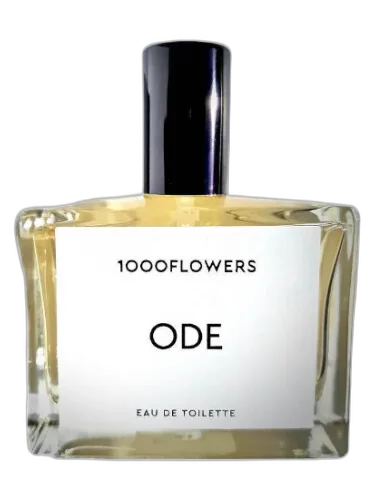
1000 Flowers
Ode 1000 Flowers
Shared top notes: bergamot, lemon
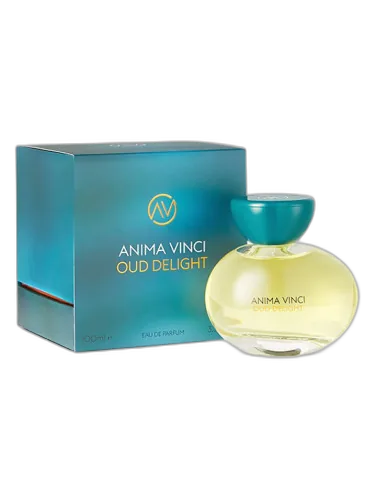
Anima Vinci
Oud Delight Anima Vinci
Shared top notes: bergamot, lemon
Zara
Vibrant Leather Cologne Zara
Shared top notes: bergamot

ID Parfums
Iguazù Id Parfums
Shared top notes: bergamot
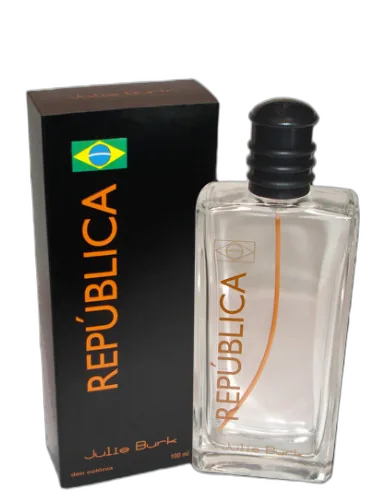
Julie Burk Perfumes
Republica Brasileira Julie Burk Perfumes
Shared top notes: bergamot