

Purple Haze 19-69
At a glance
Is Purple Haze 19-69 worth trying?
Purple Haze by 19-69 is a Woody Spicy fragrance for women and men.
- Best match
- Evening wear in Fall
- Performance feel
- Good longevity with Moderate sillage
- Signature profile
- woody, aromatic, fresh spicy with Cypress, cannabis, Ravensara
The first impression
Purple Haze by 19-69 is a Woody Spicy fragrance for women and men. Purple Haze was launched in 2017. Top notes are Cypress, cannabis, Ravensara, Bergamot and Labdanum; middle notes are Thyme, Violet Leaf, Gurjan balsam and Palmarosa; base notes are Patchouli, Vanilla, Woodsy Notes, Black Pepper and White Musk.
What shapes the scent
The perfumer behind it

Johan Bergelin
Johan Bergelin is the creative force behind 19-69, known for counterculture-inspired scents. Chinese Tobacco, La Habana, and Purple Haze reflect his love for unconventional notes like cannabis and psychedelic florals. His fragrances capture the rebellious spirit of the 1960s. Bergelin's work appeals to free spirits and risk-takers.
Notes pyramid
Top Notes
First impression · 15-30 min
 Cypress
 cannabis
 Ravensara
 Bergamot
 Labdanum
Heart Notes
Core character · 2-4 hours
 Thyme
Thyme
 Violet Leaf
 Gurjan balsam
 Palmarosa
Base Notes
Lasting impression · 4+ hours
 Patchouli
 Vanilla
Woodsy Notes
Black Pepper
White Musk
Vanilla
Woodsy Notes
Black Pepper
White Musk
The mood it creates
The Mystic Archetype: Portrait of Purple Haze 19-69
Essence
The one who wears Purple Haze 19-69 is not merely drawn to fragrance-they are drawn to the ineffable, the liminal spaces between waking and dreaming. Their soul resonates with the Mystic, an archetype that seeks transcendence beyond the mundane, forever chasing the sublime in scent, art, and thought. This is not escapism, but a deliberate refusal to be bound by the rigid structures of conventional reality. The Mystic understands that life is a tapestry of symbols, and Purple Haze-with its blend of patchouli, blackberry, and incense-becomes their olfactory sigil, a whispered incantation of individuality.
Relationships
They do not form bonds lightly. Their relationships are either profound or fleeting-rarely in between. Some find them enigmatic, even intimidating, for they do not offer the easy comfort of small talk. But those who earn their trust discover a fiercely loyal companion, one who listens with the depth of a confessor and speaks with the precision of a poet.
Romantically, they are drawn to those who mirror their own complexity-partners who understand that love is not just an emotion but an experience, a shared descent into the depths. Yet here lies their shadow: their intensity can become overwhelming, even isolating. They may mistake emotional turbulence for passion, or withdraw into solitude when reality fails to match their inner visions.
Shadow
The Mystic’s greatest strength is also their peril. Their ability to see beyond the surface can make them disdainful of the ordinary, leading to a quiet arrogance-a belief that they alone perceive the world’s hidden truths. They may grow impatient with those who do not share their depth, dismissing them as shallow.
At their worst, they risk becoming untethered, lost in their own symbolism. Reality, with its mundane demands, may feel like an imposition, and they might retreat further into their inner world, neglecting practical responsibilities. The incense that once centered them becomes a veil, obscuring rather than revealing.
Conclusion
Their world is one of curated intensity. They surround themselves with textures that evoke emotion-velvet drapes, aged books, the flicker of candlelight on dark wood. Their style is neither bohemian nor gothic, but something in between: a deliberate ambiguity, as if they exist just outside any definable aesthetic. They wear deep purples, blacks, and muted earth tones, not for drama, but because these colors mirror their inner landscape.
Music is sacred to them, not as background noise but as a ritual. They lose themselves in the hypnotic drone of psychedelic rock, the poetry of Leonard Cohen, or the ambient hum of electronic soundscapes. Their taste in literature leans toward the metaphysical-Borges, Hesse, or the surrealist visions of Anaïs Nin. They do not read to be entertained; they read to be transformed.
Philosophically, they reject dogma but are drawn to esoteric wisdom-Zen koans, alchemical symbolism, the writings of Jung himself. They believe in the power of the unseen, not out of naivety, but because they have felt its presence. Their spirituality is personal, unbound by institutions, a quiet rebellion against the sterile rationality of modernity.
If you like this, try these
Fragrances with a comparable profile - shared accords, notes, and character.
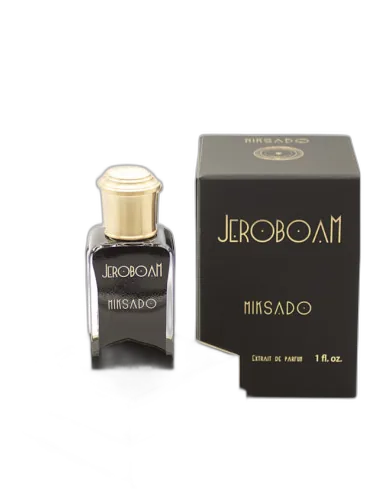
Jeroboam
Miksado Jeroboam
Shared top notes: bergamot, labdanum

Scentologia
Over.dose Scentologia
Shared top notes: bergamot, cannabis

Sora Dora
7 Sora Dora
Shared top notes: bergamot
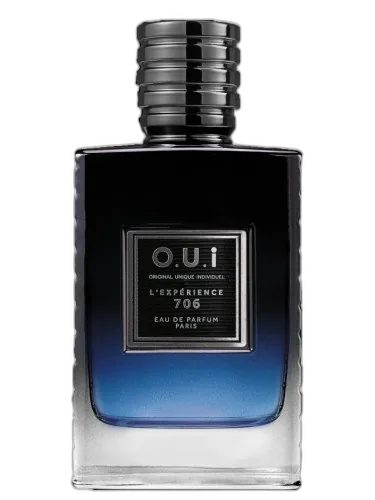
O.U.i Original Unique Individual
L’expérience 706 O.u.i Original Unique Individual
Shared top notes: bergamot
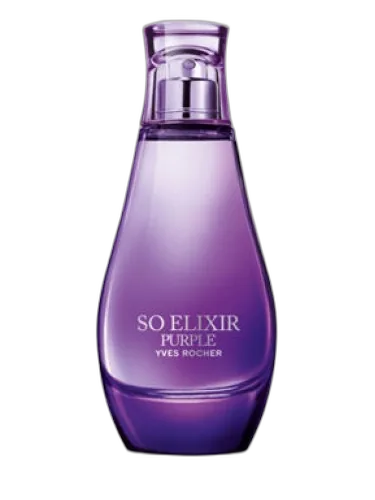
Yves Rocher
So Elixir Purple Eau De Parfum Yves Rocher
Shared top notes: bergamot