
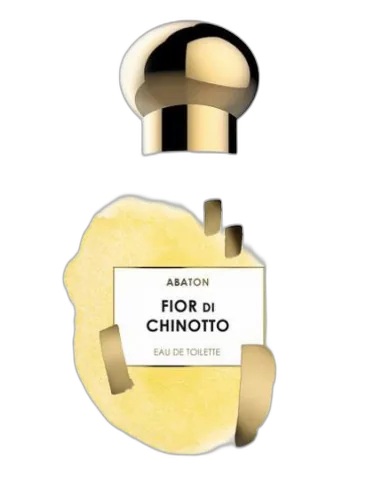

Fior Di Chinotto Abaton
At a glance
Is Fior Di Chinotto Abaton worth trying?
Fior di Chinotto by Abaton is a Floral fragrance for women.
- Best match
- Evening wear in Spring
- Performance feel
- Good longevity with Moderate sillage
- Signature profile
- citrus, white floral, sweet with Orange Blossom, Citruses, Mandarin Orange
The first impression
Fior di Chinotto by Abaton is a Floral fragrance for women. Fior di Chinotto was launched in 2018. Top notes are Orange Blossom, Citruses and Mandarin Orange; middle notes are Chinotto blossom, Jasmine, Tuberose, Amber and Damask Rose; base notes are Honey, Moss and Precious Woods.
What shapes the scent
The perfumer behind it

Alessandro Brun
Alessandro Brun is an Italian perfumer known for his innovative and artistic approach to fragrance creation. His work spans diverse styles, from the citrusy Fior Di Chinotto to the gourmand Tiramisù. Brun’s compositions often reflect a balance of creativity and technical precision. His fragrances resonate with those who appreciate originality and craftsmanship in perfumery.
Notes pyramid
Top Notes
First impression · 15-30 min
 Orange Blossom
 Citruses
 Mandarin Orange
Heart Notes
Core character · 2-4 hours
 Chinotto blossom
 Jasmine
 Tuberose
 Amber
Amber
 Damask Rose
Base Notes
Lasting impression · 4+ hours
 Honey
Moss
Precious Woods
Honey
Moss
Precious Woods
The mood it creates
The Lover Archetype: Portrait of Fior Di Chinotto Abaton
Essence
The one who wears Fior Di Chinotto Abaton is not merely drawn to fragrance-they seek transformation. Their soul aligns most closely with the Alchemist, an archetype that thrives on turning the ordinary into the extraordinary. Like the bitter orange at the heart of this scent, they are complex, layered, and unafraid of contradictions. They do not shy away from the sharp edges of life; instead, they embrace them, believing that depth is found in tension.
The Alchemist is both scientist and poet, balancing precision with passion. They are drawn to the interplay of opposites-sweetness and bitterness, light and shadow, chaos and order. Their love for Fior Di Chinotto Abaton-a fragrance that mingles citrus with woody warmth-reflects this duality. They are not content with superficial pleasures; they crave experiences that provoke thought, that linger in the mind long after the moment has passed.
Style & Aesthetic
Their style is deliberate, an exercise in controlled contrast. They might wear a sharply tailored blazer over a softly draped shirt, or pair a vintage watch with modern minimalist jewelry. Their home is a curated space where mid-century furniture sits beside handcrafted ceramics, where books on philosophy share shelves with volumes on botany. They appreciate the patina of time-a well-worn leather chair, a faded Persian rug-but they are not nostalgic. They see beauty in imperfection, yet they are exacting in their choices.
In food and drink, they favor the bitter and the complex: an amaro after dinner, dark chocolate with sea salt, espresso without sugar. They do not indulge in sweetness for its own sake; they prefer flavors that demand attention, that evolve on the palate.
Their days are structured yet fluid, a blend of discipline and spontaneity. They rise early, not out of obligation but because they relish the quiet hours when the world feels full of possibility. They may practice meditation or journaling, not as self-help trends but as tools for self-alchemy.
They are drawn to crafts that require patience-woodworking, calligraphy, brewing coffee with a Chemex. These are not hobbies but rituals, ways of slowing time, of savoring the act of creation.
Philosophy & Values
They believe that life’s meaning is not handed to you-it is forged through experience. They are skeptical of dogma but deeply curious about systems of thought, whether ancient Stoicism, Jungian psychology, or the symbolism of alchemy. They are drawn to the idea that suffering, like the bitterness of chinotto, can be transmuted into wisdom.
Their values are rooted in authenticity. They despise pretense, though they themselves may occasionally fall into the trap of intellectual elitism. They respect those who engage with the world thoughtfully, who ask difficult questions rather than settling for easy answers.
Relationships
They do not form bonds lightly. Their friendships and romances are built on shared depth, not convenience. They are drawn to people who challenge them, who refuse to be easily categorized. In love, they crave both passion and intellectual companionship-someone who can match their intensity without being consumed by it.
Yet their shadow emerges here: their insistence on depth can become a barrier. They may dismiss lighter connections as trivial, missing the simple joys of uncomplicated affection. Their high standards can isolate them, leaving them longing for the very intimacy they unconsciously push away.
Shadow
The Alchemist’s greatest strength-their relentless pursuit of transformation-can also be their undoing. In their quest for depth, they may grow disdainful of simplicity, dismissing joy that does not come with a layer of meaning. Their love of contrast can tip into contrarianism, rejecting the mainstream not because it lacks value, but because it is popular.
They may also struggle with restlessness, always seeking the next revelation, the next layer of understanding, never fully satisfied. The bitterness they embrace can, at times, overshadow the sweetness they deny themselves.
Conclusion
To love Fior Di Chinotto Abaton is to accept that life is not meant to be uniformly sweet. The one who wears it understands that the most enduring pleasures are those that challenge as much as they comfort. They are the Alchemist-always refining, always searching, turning the raw materials of existence into something richer, something truer.
But they must remember: even the bitterest citrus, in time, can yield something unexpectedly sweet.
If you like this, try these
Fragrances with a comparable profile - shared accords, notes, and character.
Avon
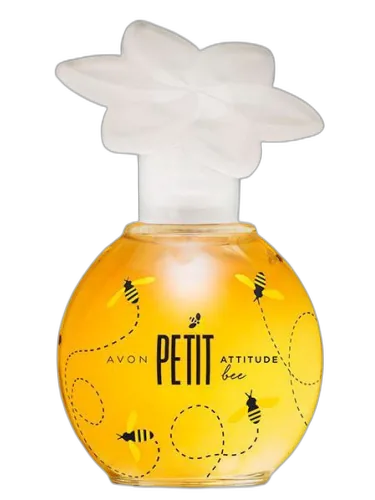
Petit Attitude Bee Avon
Shared top notes: mandarin orange
Maison Tahité – Officine Creative Profumi
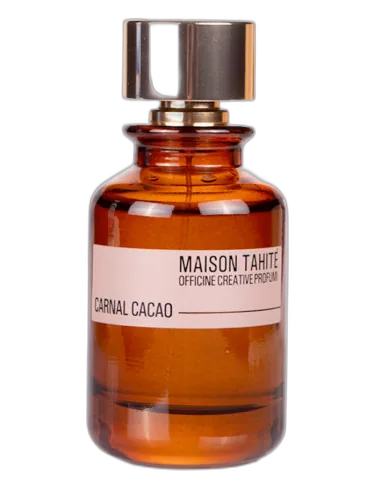
Carnal Cacao Maison Tahité – Officine Creative Profumi
Shared top notes: mandarin orange
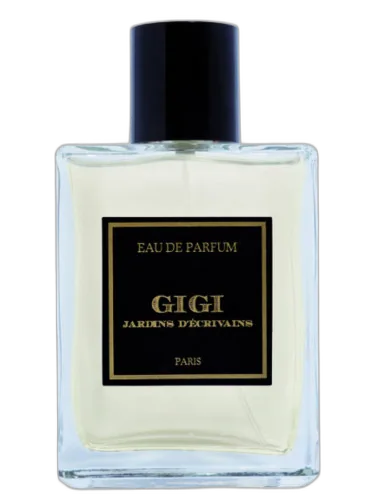
Jardins d’Ecrivains
Gigi Jardins D’ecrivains
Shared top notes: orange blossom

Oriflame
Giordani Gold Oriflame
Shared top notes: mandarin orange, orange blossom
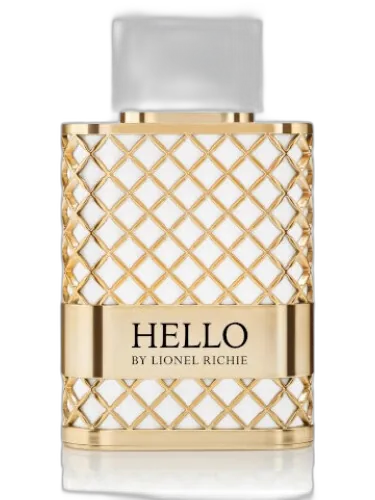
Lionel Richie
Hello By Lionel Richie Lionel Richie
Shared heart notes: jasmine, tuberose