
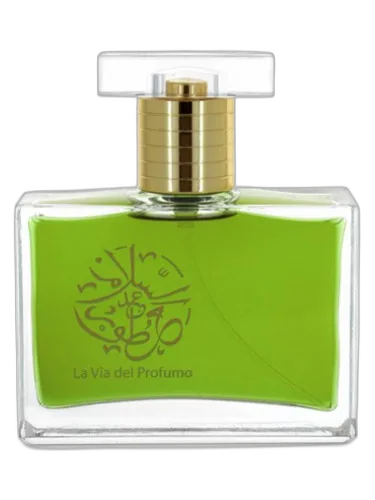

Hindu Kush Abdes Salaam Attars Perfumes
At a glance
Is Hindu Kush Abdes Salaam Attars Perfumes worth trying?
Hindu Kush by Abdes Salaam Attars Perfumes is a Oriental fragrance for women and men.
- Best match
- Evening, Special Occasion wear in Fall, Winter
- Performance feel
- Good longevity with Moderate sillage
- Signature profile
- warm spicy, woody, fresh spicy with Woody Notes, Incense, Spices
The first impression
Hindu Kush by Abdes Salaam Attars Perfumes is a Oriental fragrance for women and men. Hindu Kush was launched in 2016. The nose behind this fragrance is Dominique Dubrana.
What shapes the scent
The perfumer behind it

Dominique Dubrana
Dominique Dubrana is a perfumer for Abdes Salaam Attars Perfumes, creating a wide range of attars and colognes such as Acqua Di Angelica, Amber Chocolate, and Chilum. His work focuses on natural, handcrafted ingredients and traditional distillation methods. Dubrana's fragrances often explore exotic, spicy, and gourmand themes.
Notes pyramid
All Notes
Complete scent profile
 Woody Notes
 Incense
 Spices
 Ginger
 Nutmeg
 Pepper
 Caraway
The mood it creates
The Explorer Archetype: Portrait of Hindu Kush Abdes Salaam Attars Perfumes
Essence
The Explorer is driven by a restless curiosity, a hunger for the unknown that calls them beyond the familiar. Hindu Kush is their scent-a journey into the heart of a mountain range, where the air is thin and the earth is ancient. This fragrance is not for the faint of heart; it is a complex tapestry of woody notes, incense, and spices that speak of caravans and high-altitude passes.
It is a scent of contrast: the warmth of ginger and nutmeg against the coolness of pepper and caraway, the smokiness of incense mingling with the dry wood. The Explorer wears this fragrance as a talisman, a reminder that the path is the destination, and that every inhale is a step into the wild, uncharted territory of the self.
Style & Aesthetic
The Explorer's style is rugged and functional, yet imbued with a sense of romance. They favor natural fabrics-wool, linen, leather-in earthy tones of brown, olive, and charcoal. Their wardrobe is built for movement: sturdy boots, a well-worn jacket, a scarf that has seen many winds. Accessories are practical but meaningful-a compass, a leather journal, a stone from a sacred site.
Their aesthetic is one of weathered beauty. They are drawn to textures that tell stories: cracked leather, rough-hewn wood, the patina of old brass. Their space is a map of their travels, filled with artifacts and photographs, the scent of woodsmoke and spices lingering in the air. They live with a sense of impermanence, knowing that home is not a place but a feeling.
Philosophy & Values
The Explorer values freedom above all else. They believe that the world is a book, and those who do not travel read only one page. They are driven by a deep respect for the unknown, seeing it not as a threat but as an invitation. They value authenticity, seeking experiences that are raw and unmediated.
Their philosophy is one of active engagement: they do not wait for life to happen; they go out to meet it. They believe in the transformative power of journey, that the physical act of moving through the world can shift the landscape of the soul. They are humble before nature, knowing that the mountains and deserts will always be greater than they are.
Relationships
In relationships, the Explorer is a captivating presence, full of stories and a contagious sense of wonder. They are generous with their experiences, eager to share the beauty they have found. However, they can be elusive, their heart always half-turned toward the next horizon. They need a partner who understands that their love is not a cage but a compass.
They are loyal in their own way, their affection expressed through shared adventures and the gift of presence. They seek a companion who is also a co-explorer, someone who will hike beside them through the rain and sit with them in silence under the stars. Their love is a journey, not a destination.
Lifestyle
The Explorer's life is one of movement and ritual. They wake early, often before dawn, to catch the first light. Their days are structured around exploration-a hike, a drive to a new town, a walk through an unfamiliar neighborhood. They are always learning: a new language, a skill like navigation or foraging, a piece of history about the place they are in.
Their home is a base camp, organized for departure. They pack light but carry essentials: a good knife, a water filter, a notebook. They cook simple, hearty meals over a fire or a single burner. Evenings are for maps and planning, for writing in their journal, for the quiet satisfaction of a day well spent.
Shadow
The Explorer's shadow is a restlessness that can become rootlessness. They may struggle with commitment, always fearing that something better lies just beyond the next hill. They can be reckless, pushing too hard and too far, ignoring the need for rest and stability. Their hunger for the new can make them neglect the old-the relationships and places that have shaped them.
There is a danger of using movement as escape, of running from the inner landscape by constantly changing the outer one. The shadow whispers that staying still is a kind of death. The Explorer must learn that the greatest journeys sometimes lead inward, and that the most profound discoveries can be made in the quiet of a single room.
Conclusion
Hindu Kush is the Explorer's scent-a fragrance of high places and ancient paths, of spice and smoke and the promise of the unknown. It is a call to adventure, a reminder that the world is vast and full of wonder. For those who wear it, it is not just a perfume but a passport, a key to the wild places both outside and within.
If you like this, try these
Fragrances with a comparable profile - shared accords, notes, and character.
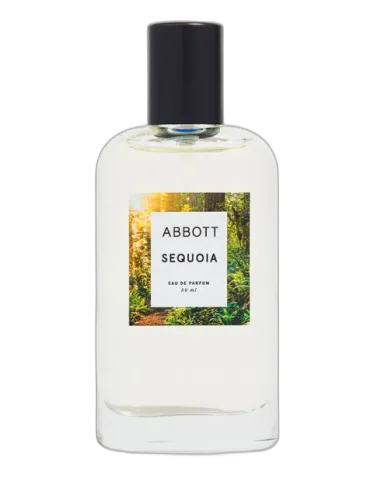
Abbott New York City
Sequoia Abbott New York City
Shared top notes: incense, pepper
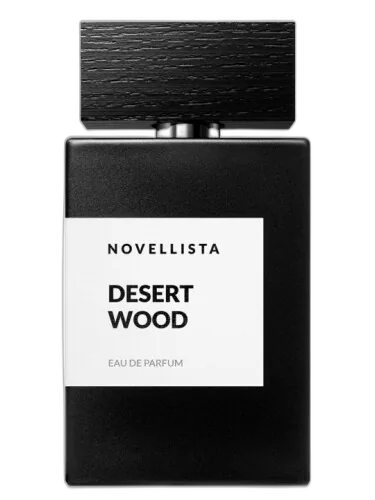
Novellista
Desert Wood Novellista
Shared top notes: ginger, nutmeg
Azzaro
Visit Azzaro
Shared top notes: ginger, nutmeg
Armand Basi
Wild Forest Armand Basi
Shared top notes: nutmeg, pepper
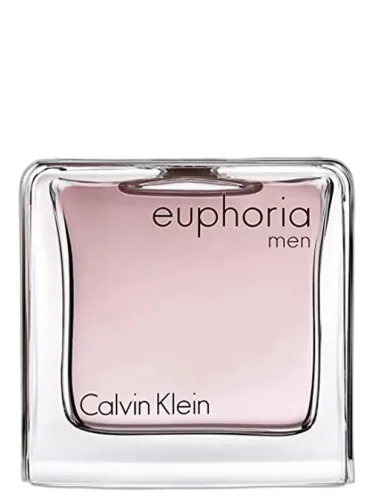
Calvin Klein
Euphoria Men Calvin Klein
Shared top notes: ginger, pepper