
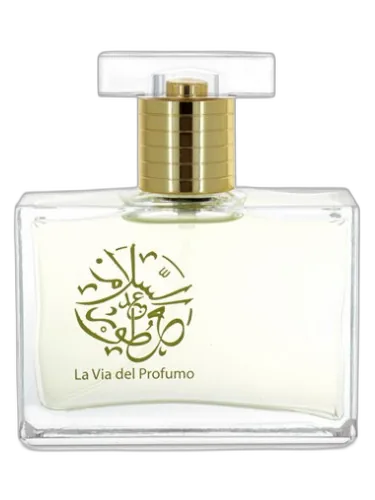

Holy Water Abdes Salaam Attars Perfumes
At a glance
Is Holy Water Abdes Salaam Attars Perfumes worth trying?
Holy Water by Abdes Salaam Attars Perfumes is a Oriental Floral fragrance for women and men.
- Best match
- Evening, Special Occasion wear in Fall, Winter
- Performance feel
- Very Good longevity with Strong sillage
- Signature profile
- amber, rose, citrus with Olibanum, Rose, Orange Blossom
The first impression
Holy Water by Abdes Salaam Attars Perfumes is a Oriental Floral fragrance for women and men. Holy Water was launched in 2016. The nose behind this fragrance is Dominique Dubrana.
What shapes the scent
The perfumer behind it

Dominique Dubrana
Dominique Dubrana is a perfumer for Abdes Salaam Attars Perfumes, creating a wide range of attars and colognes such as Acqua Di Angelica, Amber Chocolate, and Chilum. His work focuses on natural, handcrafted ingredients and traditional distillation methods. Dubrana's fragrances often explore exotic, spicy, and gourmand themes.
Notes pyramid
All Notes
Complete scent profile
 Olibanum
 Rose
Rose
 Orange Blossom
 Sandalwood
 Orange
The mood it creates
The Mystic Archetype: Portrait of Holy Water Abdes Salaam Attars Perfumes
Essence
The Mystic walks between worlds, a seeker of the sacred in the profane. Holy Water is their scent-a fragrance that feels like a prayer made manifest. It opens with the bright, almost ethereal notes of olibanum and orange blossom, a union of incense and flower that speaks of ancient rituals and quiet devotion. The rose adds a touch of earthly beauty, while sandalwood and orange ground the composition in warmth and sweetness.
This is not a fragrance for the hurried or the distracted. It demands stillness, a willingness to be transported. The Mystic wears it as a veil, a way of carrying the temple with them wherever they go. It is a scent of transcendence, of the moment when the divine touches the mundane and everything is made holy.
Style & Aesthetic
The Mystic's style is ethereal and timeless, favoring flowing fabrics and natural fibers. They are drawn to white, cream, and soft gold, colors that reflect light and suggest purity. Their wardrobe is simple but intentional: a linen robe, a silk scarf, a piece of jewelry that holds spiritual significance-a crescent moon, a hand of Fatima, a simple cross.
Their aesthetic is one of sacred simplicity. Their space is a sanctuary: a meditation cushion, a small altar with candles and crystals, a shelf of sacred texts. They are drawn to the beauty of the natural world-a single flower in a vase, a bowl of smooth stones, the play of light through a window. Their home smells of incense, dried herbs, and the luminous, floral warmth of this fragrance.
Philosophy & Values
The Mystic values transcendence and connection. They believe that the material world is a veil, and that true reality lies beyond it. They are drawn to the contemplative traditions-meditation, prayer, the study of sacred texts. They value silence and solitude, seeing them not as emptiness but as fullness, a space where the divine can speak.
Their philosophy is one of surrender and trust. They believe that there is a greater order, a divine plan that unfolds in its own time. They seek to align themselves with this flow, to become a vessel for something larger than themselves. For them, beauty is a form of worship, and every act can be a prayer if done with intention.
Relationships
In relationships, the Mystic is a gentle, grounding presence. They listen with deep attention, offering a space of non-judgment and acceptance. They are not interested in superficial connection; they seek soul-to-soul encounters, conversations that touch on the eternal. They are drawn to others who are on a spiritual path, who understand the value of silence and the power of presence.
Romantically, they seek a partner who is also a fellow traveler, someone who understands that love is a form of devotion. Their affection is expressed through quiet gestures-a touch on the hand, a shared moment of meditation, a simple meal prepared with care. They need a partner who respects their need for solitude, who can sit with them in the silence without needing to fill it.
Lifestyle
The Mystic's life is structured around spiritual practice. Mornings begin with meditation, a few moments of stillness before the day begins. They may practice yoga, chant, or read from a sacred text. Their days are punctuated by small rituals: lighting a candle, saying a blessing over a meal, pausing to watch the sunset.
Their home is a retreat from the noise of the world. They create spaces for contemplation-a corner with a cushion and a view, a bath infused with essential oils, a garden where they can walk barefoot. They eat simply, favoring foods that are pure and nourishing. Evenings are for reflection, for journaling, for the quiet joy of being alone with the divine.
Shadow
The Mystic's shadow is a tendency toward detachment and escapism. In their quest for the transcendent, they may neglect the material world, including their own bodies and relationships. They can become so focused on the spiritual that they lose touch with the practical, the messy, the human.
There is a danger of using spirituality as a way to avoid pain or responsibility. The shadow whispers that the world is an illusion, and therefore nothing really matters. The Mystic must remember that the sacred is not separate from the mundane, that the divine is found in the here and now, in the touch of a hand, the taste of bread, the scent of a flower. True transcendence is not escape but full embodiment.
Conclusion
Holy Water is the Mystic's fragrance-a sacred blend of incense, rose, and citrus that carries the essence of prayer. It is a reminder that the holy is not somewhere else but here, in this breath, this moment, this body. For those who wear it, it is not just a perfume but a devotion, a way of carrying the light of the divine into the everyday world.
If you like this, try these
Fragrances with a comparable profile - shared accords, notes, and character.
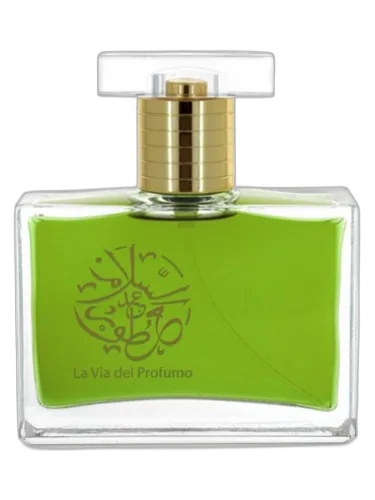
Abdes Salaam Attars Perfumes
Oakmoss Abdes Salaam Attars Perfumes
Shared top notes: olibanum, orange, orange blossom
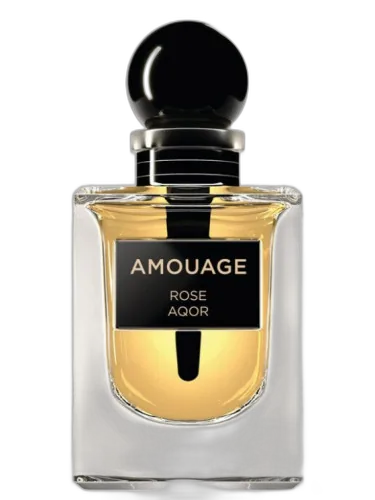
Amouage
Rose Aqor Amouage
Shared top notes: olibanum, rose, sandalwood
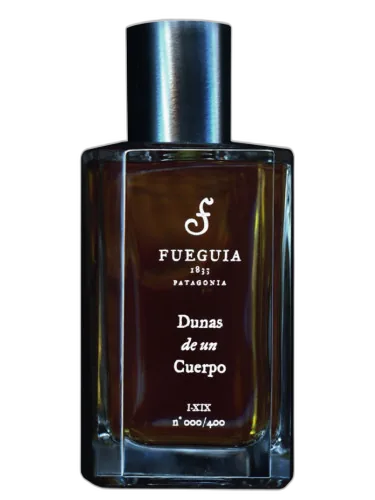
Fueguia 1833
Dunas De Un Cuerpo Fueguia 1833
Shared top notes: olibanum, sandalwood
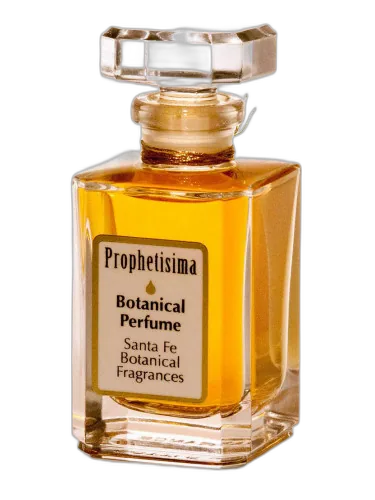
Santa Fe Botanical Natural Fragrance Collection
Prophetisima Santa Fe Botanical Natural Fragrance Collection
Shared top notes: olibanum, orange blossom, sandalwood
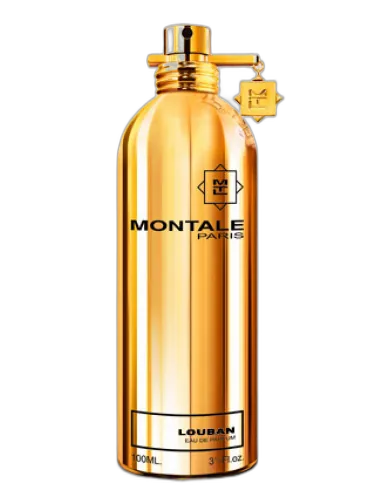
Montale
Louban Montale
Shared top notes: olibanum, rose, sandalwood