


Oud Kalimantan Abdul Karim Al Faransi
At a glance
Is Oud Kalimantan Abdul Karim Al Faransi worth trying?
Oud Kalimantan by Abdul Karim Al Faransi is a Woody fragrance for men.
- Best match
- Evening wear in Winter
- Performance feel
- Excellent longevity with Strong sillage
- Signature profile
- woody, oud, patchouli with Woody Notes, Patchouli, Vanilla
The first impression
Oud Kalimantan by Abdul Karim Al Faransi is a Woody fragrance for men. Oud Kalimantan was launched in 2014. The nose behind this fragrance is Anthony Abdul Karim Marmin. Top note is Woody Notes; middle notes are Patchouli and Vanilla; base notes are Agarwood (Oud) and Incense.
What shapes the scent
The perfumer behind it

Anthony Abdul Karim Marmin
Anthony Abdul Karim Marmin is a perfumer closely associated with the house of Abdul Karim Al Faransi, where he has created a wide range of fragrances. His style spans bold, resinous compositions like Amber 4000 and Amber Afghani, as well as more complex, evocative scents such as Al Quds and Amazonia. Known for blending traditional Middle Eastern ingredients with modern accords, his work often features rich amber, oud, and spice notes.
Notes pyramid
Top Notes
First impression · 15-30 min
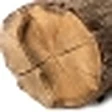 Woody Notes
Heart Notes
Core character · 2-4 hours
 Patchouli
 Vanilla
Base Notes
Lasting impression · 4+ hours
 Agarwood (Oud)
 Incense
The mood it creates
The Oud Enthusiast Archetype: Portrait of Oud Kalimantan Abdul Karim Al Faransi
Essence
To wear Oud Kalimantan Abdul Karim Al Faransi is to embrace the primal and the refined, the sacred and the sensual. This is not a fragrance for the timid or the trend-following; it is a declaration of presence, a whisper of ancient forests and smoldering resins. The person who chooses this scent is one who walks between worlds-between tradition and modernity, between introspection and command.
At their core, they are most closely aligned with the Sage-the seeker of wisdom, the one who values knowledge, depth, and authenticity above all else. Yet, their shadow carries traces of the Hermit, the solitary figure who retreats from the trivialities of the world, sometimes to the point of isolation.
The Sage in them is drawn to the complexity of oud-its history, its spiritual resonance, its ability to evoke both meditation and magnetism. They are not content with superficial answers; they crave understanding, peeling back layers of meaning in everything from philosophy to the arts. But the Hermit’s shadow lingers, pulling them away when the world becomes too loud, too shallow.
Style & Aesthetic
Their wardrobe is deliberate-rich textures, muted but deep colors, garments that speak of craftsmanship rather than trends. They prefer the weight of leather, the warmth of aged wood, the subtle glow of well-worn metals. Their home is a sanctuary, filled with books, artifacts, and perhaps a single, striking piece of art that holds personal meaning.
Music for them is an experience, not background noise-perhaps the meditative strains of classical Arabic maqam, the haunting depth of a baritone aria, or the raw emotion of blues. They do not consume; they absorb.
But here, too, lies a shadow: their tastes can become rigid, their disdain for the mainstream turning into an unspoken elitism. They may forget that beauty exists even in the ephemeral, the popular, the imperfect.
They move through the world with quiet confidence, unswayed by the frenzy of modern life. They may be drawn to professions that reward depth-academia, writing, perfumery, or perhaps a craft that demands patience and precision. Their routines are rituals: morning coffee in silence, evenings spent reading by lamplight, travels planned not for escapism but for immersion.
But the shadow of the Hermit can make them resistant to spontaneity. They may cling too tightly to their rituals, mistaking control for wisdom. Life, in its unpredictability, sometimes demands surrender-a lesson they must learn again and again.
Philosophy & Values
They believe that life must be lived with intention. Superficiality is not just a flaw-it is a kind of moral failing. Their values are rooted in authenticity, wisdom, and a quiet but fierce independence. They admire those who think deeply, who challenge norms not for rebellion’s sake but because they see beyond them.
Yet, this very commitment to depth can become a burden. They sometimes mistake cynicism for wisdom, dismissing joy as frivolity. Their love of solitude, while nourishing, can harden into a reluctance to engage with the messiness of human connection.
Relationships
They do not give their trust lightly, but when they do, it is absolute. Their closest relationships are built on mutual respect for intellect and depth-conversations that stretch into the early hours, debates that sharpen the mind, silences that need no filling.
Yet, their Hermit’s shadow makes them wary of vulnerability. They may intellectualize emotions, analyzing love and friendship as if they were texts to be deciphered rather than lived. Their partners and friends must often remind them that wisdom is not only found in solitude-sometimes, it is forged in the heat of shared experience.
Conclusion
The Sage in them is their greatest strength-their mind, their curiosity, their refusal to accept easy answers. But the Hermit’s shadow is their challenge: the temptation to withdraw, to judge, to let solitude become isolation.
Yet, in their finest moments, they balance both. They understand that wisdom is not just knowing-it is also connecting. That the deepest truths are found not only in ancient texts or rare oud resins, but in the laughter of a friend, the warmth of shared silence, the unexpected beauty of a moment unplanned.
They are a paradox: a seeker who must sometimes stop searching, a thinker who must sometimes simply live. And in that tension, they find their truest self.
If you like this, try these
Fragrances with a comparable profile - shared accords, notes, and character.
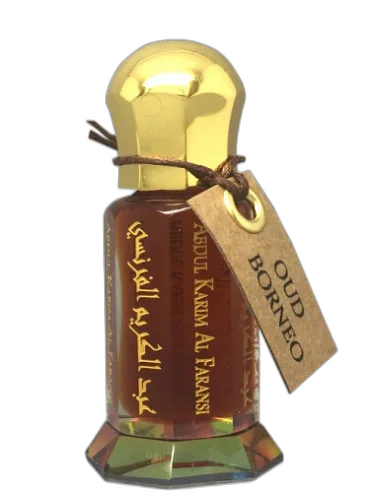
Abdul Karim Al Faransi
Oud Borneo Abdul Karim Al Faransi
Shared top notes: woody notes
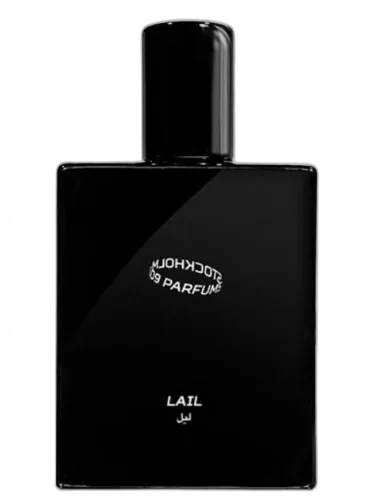
109 Parfums
Lail 109 Parfums
Shared heart notes: patchouli, vanilla
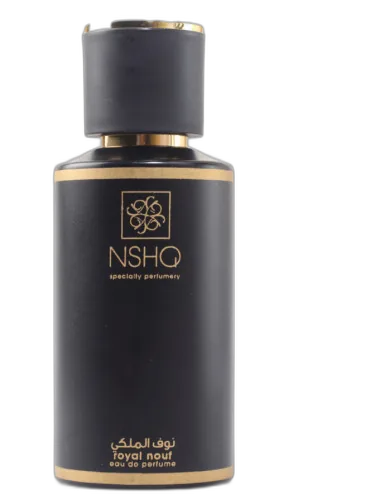
NSHQ
Royal Nouf Nshq
Shared heart notes: patchouli
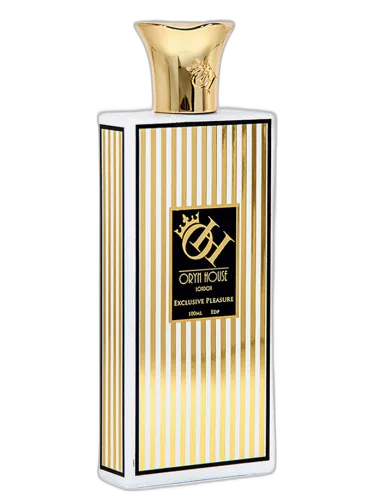
Oryn House
Exclusive Pleasure Oryn House
Shared heart notes: patchouli, vanilla
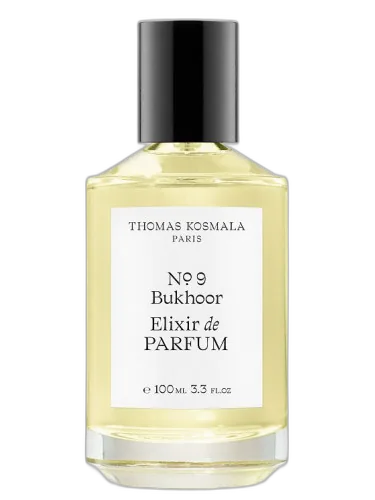
Thomas Kosmala
Bukhoor Thomas Kosmala
Shared top notes: woody notes