
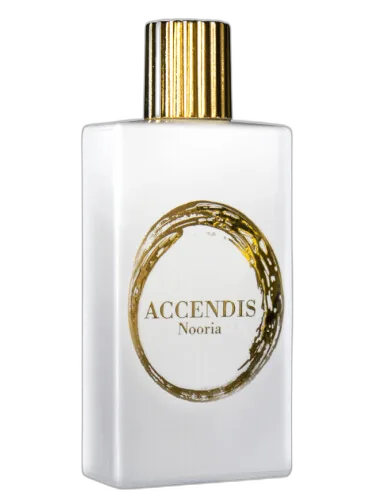
Nooria Accendis
At a glance
Is Nooria Accendis worth trying?
Nooria by Accendis is a Oriental Floral fragrance for women.
- Best match
- Evening wear in Spring
- Performance feel
- Very Good longevity with Moderate sillage
- Signature profile
- woody, white floral, sweet with Fruits, Ylang-Ylang, Jasmine
The first impression
Nooria by Accendis is a Oriental Floral fragrance for women. Nooria was launched in 2021. The nose behind this fragrance is Christian Carbonnel. Top notes are Fruits, Ylang-Ylang, Jasmine and Geranium; middle notes are Tuberose, Sandalwood, Jasmine, Amber, Guaiac Wood and Patchouli; base notes are Vanilla, Tonka Bean and Musk.
What shapes the scent
The perfumer behind it

Christian Carbonnel
Christian Carbonnel is a prolific perfumer whose catalog includes diverse creations for ALYSONOLDOINI, Accendis, and Al Haramain Perfumes. His work ranges from the woody Bourbon Oud to the floral Bucato Royale, as well as the elegant Atifa Blanche and Atifa Noir. Carbonnel's style spans both niche and accessible markets, often blending traditional and modern elements.
Notes pyramid
Top Notes
First impression · 15-30 min
 Fruits
 Ylang-Ylang
 Jasmine
 Geranium
Heart Notes
Core character · 2-4 hours
 Tuberose
 Sandalwood
Jasmine
Sandalwood
Jasmine
 Amber
Amber
 Guaiac Wood
 Patchouli
Base Notes
Lasting impression · 4+ hours
 Vanilla
 Tonka Bean
 Musk
Musk
The mood it creates
The Lover Archetype: Portrait of Nooria Accendis
Essence
To wear Nooria Accendis is to embrace transformation-the slow, deliberate burn of something raw becoming refined. This fragrance, with its smoky resins, dark woods, and elusive sweetness, is not for the passive or the indifferent. It is chosen by those who see life as a crucible, a place where experience is distilled into meaning. The wearer is an Alchemist, one who seeks to transmute the base into the sacred, the mundane into the profound.
The Alchemist is a seeker, but not aimlessly so. They are drawn to depth, to the hidden layers beneath surfaces. Their mind is a forge, where ideas, emotions, and experiences are melted down and reshaped into something new. They do not merely observe life; they interrogate it.
Their tastes are deliberate, favoring the enigmatic over the obvious. In art, they are drawn to symbolism-the works of William Blake, the films of Tarkovsky, the music of Dead Can Dance. They prefer textures that tell a story: aged leather, rough-hewn wood, oxidized silver. Their wardrobe is a study in controlled contrast-structured yet fluid, dark but never lifeless. They might wear a tailored coat over a flowing shirt, or a chunky, handcrafted ring on an otherwise minimalist hand.
Philosophically, they are drawn to the idea that reality is malleable. They may meditate on Nietzsche’s "You must become who you are" or Jung’s concept of individuation. They believe in the power of will, but also in the necessity of surrender-the understanding that some transformations require dissolution before rebirth.
Shadow
Yet every archetype has its shadow, and the Alchemist is no exception. Their relentless pursuit of transformation can become a form of restlessness, a refusal to ever be satisfied with the present. They may grow impatient with those who do not share their hunger for depth, dismissing them as shallow-a hubris that isolates them.
Their intensity can also tip into obsession. What begins as a quest for meaning may harden into dogmatism, a belief that only their way of seeing is valid. They may become so fixated on the process of change that they forget to live in the world as it is, rather than as they wish it to be.
In relationships, their demand for profundity can be exhausting. Not every moment needs to be a revelation; sometimes, joy is found in lightness. But the Alchemist, in their gravity, may forget how to laugh without analysis, how to love without dissection.
Conclusion
The Alchemist’s greatest strength is their ability to endure the fires of change. They are not afraid of discomfort, knowing that growth often comes through friction. In relationships, they are intense but deeply loyal. They do not engage in superficial bonds; their connections are forged in shared depth, in mutual recognition of each other’s inner workings.
They are natural mentors, though not in the traditional sense. They do not offer easy answers, but rather the tools for others to find their own. Their presence is catalytic-people leave conversations with them feeling both unsettled and inspired, as if a hidden door within themselves has been nudged open.
Their lifestyle reflects their inner process. They may keep a journal filled with half-formed thoughts and sketches, a physical record of their mental alchemy. Their home is a sanctuary of curated chaos-books stacked in precarious towers, candles burned down to stubs, a single striking painting that seems to shift in meaning depending on the light.
If you like this, try these
Fragrances with a comparable profile - shared accords, notes, and character.
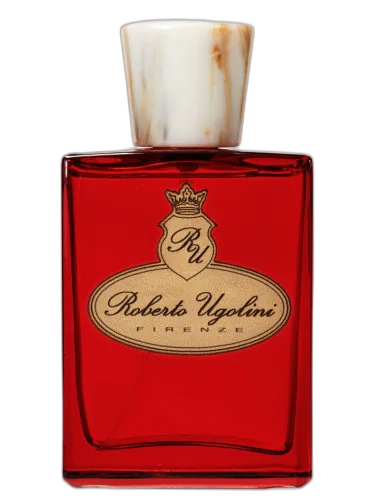
Roberto Ugolini
Kitten Heel Roberto Ugolini
Shared top notes: geranium, ylang-ylang
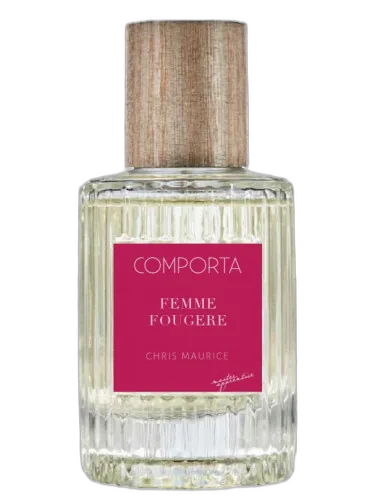
Comporta Perfumes
Femme Fougere Comporta Perfumes
Shared heart notes: amber, patchouli, tuberose
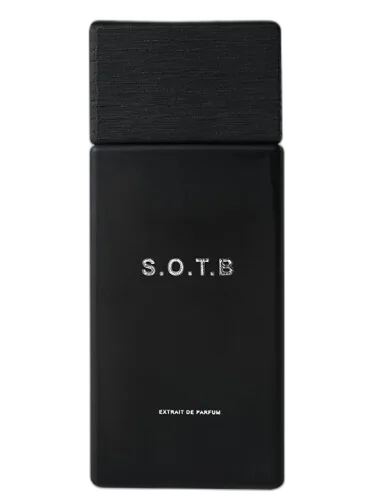
SAFF & Co.
S.o.t.b. Saff & Co.
Shared heart notes: jasmine, tuberose
French Avenue
Éclair Affair French Avenue
Shared top notes: jasmine

Spirit
Spirit Of Cashmere Musk Spirit
Shared top notes: jasmine