
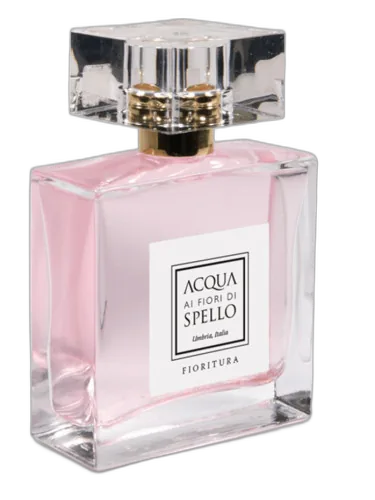

Fioritura Acqua Ai Fiori Di Spello
At a glance
Is Fioritura Acqua Ai Fiori Di Spello worth trying?
Fioritura by Acqua ai Fiori di Spello is a fragrance for women and men.
- Best match
- Casual wear in Spring
- Performance feel
- Good longevity with Moderate sillage
- Signature profile
- floral, herbal, sweet with Cornflower or Sultan seeds, Pimento, Artemisia
The first impression
Fioritura by Acqua ai Fiori di Spello is a fragrance for women and men. Fioritura was launched in 2019. Top notes are Cornflower or Sultan seeds, Pimento and Artemisia; middle notes are Poppy, Water Lily, Broom and Jasmine; base notes are White Musk, Cedar and Labdanum.
What shapes the scent
The perfumer behind it

Unknown Perfumer
Notes pyramid
Top Notes
First impression · 15-30 min
 Cornflower or Sultan seeds
 Pimento
 Artemisia
Heart Notes
Core character · 2-4 hours
 Poppy
Poppy
 Water Lily
Broom
Water Lily
Broom
 Jasmine
Base Notes
Lasting impression · 4+ hours
White Musk
 Cedar
Cedar
 Labdanum
The mood it creates
The Lover Archetype: Portrait of Fioritura Acqua Ai Fiori Di Spello
Essence
This person is most closely aligned with The Enchantress, a variation of the Lover archetype-one who thrives on beauty, sensuality, and the intoxicating power of presence. The Enchantress does not merely exist; she weaves an atmosphere, drawing others into her world through subtle magnetism. Fioritura Acqua Ai Fiori Di Spello, with its delicate floral notes and fresh, almost ethereal quality, mirrors her essence: light yet lingering, soft but impossible to ignore.
She is not a seductress in the crude sense-hers is not the heavy musk of overt allure. Instead, she captivates through an effortless grace, an unspoken promise that life could be more vivid, more poetic, if only one paid closer attention.
Style & Aesthetic
Her tastes are refined but never ostentatious. She prefers the quiet luxury of linen over silk, the patina of aged brass over cold steel, the scent of wildflowers over engineered perfumes. She is drawn to places where nature and human artistry merge-sunlit courtyards, old libraries with open windows, gardens where time moves differently.
Her philosophy is one of sensualism-not hedonism, but a deep reverence for the senses as gateways to meaning. She believes beauty is not frivolous but essential, a language that bypasses reason and speaks directly to the soul. She does not argue for her worldview; she embodies it.
Relationships
She is neither clingy nor aloof but exists in a delicate balance between connection and mystery. People are drawn to her because she makes them feel seen-not in the way of a therapist, but as someone who appreciates their hidden depths. Yet she is selective, for she knows that not everyone can appreciate the subtleties of her world.
Romance, for her, is an art form. She does not seek passion in its raw, untamed state but in the slow unfurling of shared glances, the weight of a hand resting on hers a moment too long. She is not possessive, but she demands presence-if you are with her, you must truly be there.
Shadow
Yet every enchantress risks becoming an illusionist, mistaking the aesthetic for the real. Her greatest flaw is not vanity but escapism-a tendency to curate life so exquisitely that she avoids its rougher textures. When faced with conflict or mundanity, she may retreat further into her perfumed world, leaving practical matters unresolved.
There is also a quiet tyranny in her standards. She cannot help but judge those who live coarsely, who do not pause to savor the way light filters through leaves or the scent of rain on stone. This subtle disdain can isolate her, making her a prisoner of her own refinement.
Conclusion
She is both free and confined-free in her ability to find magic in the ordinary, confined by her own unwillingness to engage with what she deems unworthy. Yet this tension is what makes her compelling. She is not naive; she knows the world is flawed. But she chooses, every day, to cultivate beauty anyway.
To wear Fioritura Acqua Ai Fiori Di Spello is to declare that life should be more than survival. It is an act of quiet rebellion against the graceless rush of modernity. And in that, she is both a poet and a prophet-reminding us, with every lingering note, that there is another way to live.
If you like this, try these
Fragrances with a comparable profile - shared accords, notes, and character.
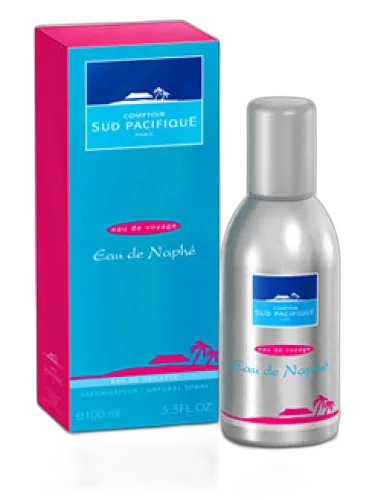
Comptoir Sud Pacifique
Eau De Naphe Comptoir Sud Pacifique
Shared heart notes: jasmine
Carthusia
Via Camerelle Profumo Carthusia
Shared heart notes: jasmine, water lily
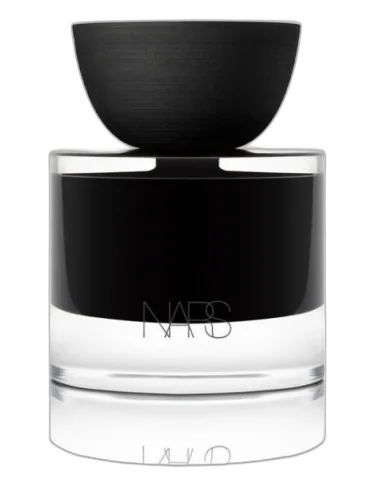
Nars
Audacious Nars
Shared base notes: cedar, white musk
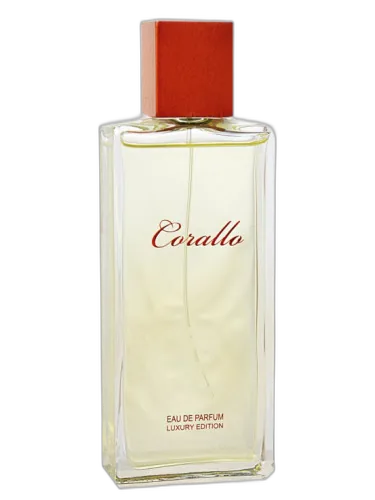
Profumi di Pantelleria
Corallo Profumi Di Pantelleria
Shared heart notes: broom, jasmine, water lily

Cacharel
Amor Amor Eau De Parfum Cacharel
Shared heart notes: jasmine