
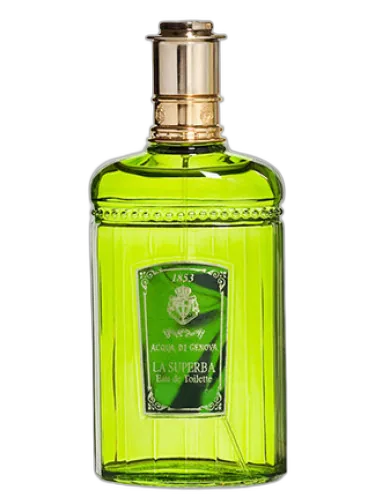
Rovo Nero Acqua Di Genova
At a glance
Is Rovo Nero Acqua Di Genova worth trying?
Rovo Nero by Acqua di Genova is a Floral Fruity fragrance for women.
- Best match
- Evening wear in Fall
- Performance feel
- Good longevity with Moderate sillage
- Signature profile
- woody, floral, citrus with Lime, Bergamot, Lemon
The first impression
Rovo Nero by Acqua di Genova is a Floral Fruity fragrance for women. Rovo Nero was launched in 2008. The nose behind this fragrance is Stefano Frecceri. Top notes are Lime, Bergamot and Lemon; middle notes are Rose, Lily-of-the-Valley, Violet, Bougainvillea and Lily; base notes are Wisteria, Vetiver, Sandalwood, Patchouli, Boletus edulis and Musk.
What shapes the scent
The perfumer behind it

Stefano Frecceri
Stefano Frecceri is a perfumer associated with Acqua di Genova, a house known for its classic Italian cologne tradition. His creations for the brand include 1853 Lady, 1853 Man, Bougainvellea, Colonia Classica, Fresh, Gold, Mora Di Gelso, and Mughetto. Frecceri's work often balances traditional citrus and floral accords with modern freshness.
Notes pyramid
Top Notes
First impression · 15-30 min
 Lime
Lime
 Bergamot
 Lemon
Lemon
Heart Notes
Core character · 2-4 hours
 Rose
Rose
 Lily-of-the-Valley
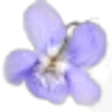 Violet
 Bougainvillea
 Lily
Lily
Base Notes
Lasting impression · 4+ hours
 Wisteria
 Vetiver
 Sandalwood
 Patchouli
 Boletus edulis
 Musk
Musk
The mood it creates
The Lover Archetype: Portrait of Rovo Nero Acqua Di Genova
Essence
To wear Rovo Nero Acqua di Genova is to embrace a paradox-a fragrance that is at once dark and luminous, earthy yet refined. The person who chooses this scent is drawn to the interplay of shadow and light, not just in perfume but in life itself. Their soul resonates with the Lover archetype, though not in its superficial, romanticized form. This is a Lover who understands desire in its deepest sense-the yearning for beauty, truth, and intensity in all things.
Style & Aesthetic
Their taste is deliberate, never accidental. They favor textures that speak to the senses-aged leather, raw silk, the cold weight of a well-worn signet ring. Their wardrobe is curated, not for trends but for resonance: deep burgundies, blacks that swallow light, and the occasional shock of white linen, like a moonlit break in a storm. They appreciate craftsmanship, the kind that reveals itself only upon close inspection-hand-stitched seams, the subtle imperfections of hand-blown glass.
In art, they are drawn to Caravaggio’s chiaroscuro, the way darkness sculpts form into something almost tangible. They listen to music that demands attention-Baroque fugues, the slow burn of a blues guitar, the controlled chaos of free jazz. Their home is a sanctuary of contrasts: rough-hewn wood against polished marble, candlelight flickering over unadorned walls.
They move through the world with a quiet magnetism. Their presence is felt before they speak. They are not reckless, but neither are they cautious-they act when the moment demands it, whether that means boarding a train to an unknown city or ending a relationship that no longer serves them.
Their work, if they have not already rejected conventional employment, is something they approach with the precision of a craftsman. They might be a writer, a perfumer, a restorer of antiques-anything that allows them to shape raw material into something transcendent.
Philosophy & Values
For them, life is not about accumulation but distillation-stripping away the superfluous to reveal what truly matters. They reject platitudes, preferring questions that have no easy answers. Their philosophy is one of depth, not dogma. They believe in the transformative power of experience, whether through travel, solitude, or the right conversation at the right time.
They value loyalty but are wary of blind devotion. Their relationships are few but fiercely meaningful. They do not suffer fools, yet they are patient with those who seek understanding rather than validation. Their love is not possessive but demanding-they expect those close to them to meet the world with the same intensity they do.
Relationships
They do not love lightly. To be loved by them is to be seen-fully, sometimes uncomfortably so. They are drawn to people who harbor their own shadows, who understand that passion is not always gentle. Their romantic partners are often artists, thinkers, or wanderers-people who refuse to be neatly categorized.
Yet, intimacy for them is a double-edged sword. They crave connection but fear engulfment. They may withdraw without warning, retreating into solitude as if it were a fortress. Their lovers may mistake this for coldness, when in truth, it is self-preservation.
Shadow
The Lover’s greatest strength-their capacity for depth-can also be their undoing. When unbalanced, they risk becoming lost in their own intensity. Hedonism may tempt them; they might chase sensation to the point of self-destruction. Their disdain for the mundane can curdle into cynicism, making them dismissive of simpler joys.
Their fear of superficiality may drive them to extremes-eschewing all comfort in pursuit of some elusive authenticity. They must learn that depth does not always require darkness, and that light, too, has its own kind of wisdom.
Conclusion
The admirer of Rovo Nero is an alchemist of the soul, turning base experiences into gold through sheer force of perception. They are not without flaws, but their flaws are the price of their depth. To know them is to be reminded that life is not merely lived but felt, questioned, and-above all-savored.
They are the Lover, not as a figure of romance, but as one who understands that to love the world is to engage with it fully, shadows and all.
If you like this, try these
Fragrances with a comparable profile - shared accords, notes, and character.

Comme des Garcons
Energy C Lime Comme Des Garcons
Shared top notes: bergamot, lemon, lime
Libertin Louison Technique Indiscrete
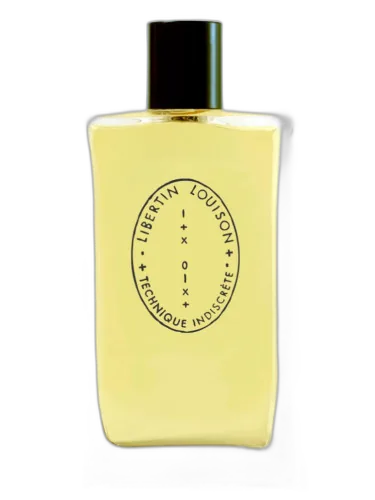
Figure Libre Libertin Louison Technique Indiscrete
Shared top notes: bergamot, lemon
Kinetic Perfumes
Verdigris Kinetic Perfumes
Shared top notes: bergamot, lemon, lime
HeavenDuft
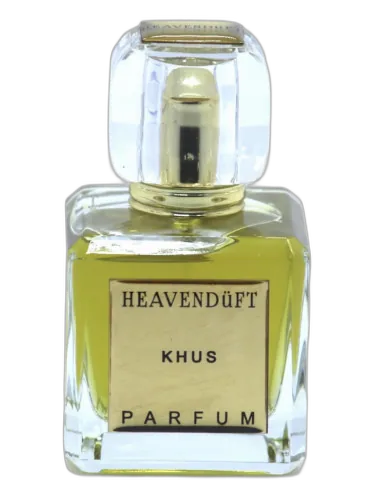
Khus Heavenduft
Shared top notes: bergamot, lemon, lime
Blu Atlas
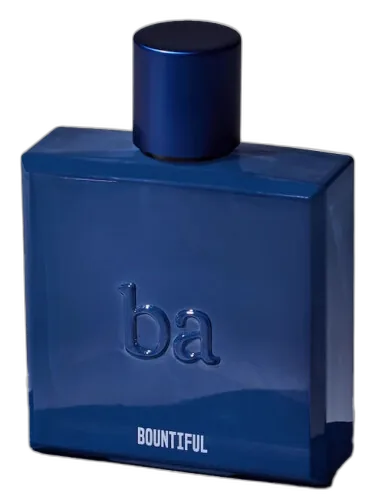
Bountiful Blu Atlas
Shared top notes: bergamot, lemon