
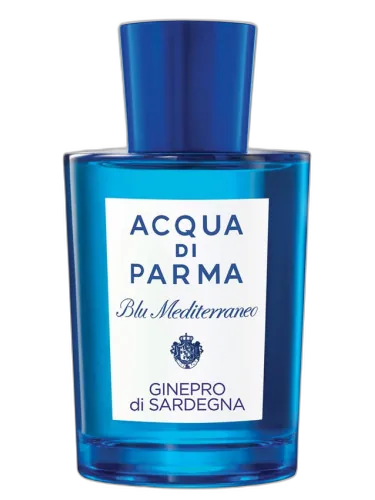

Acqua Di Parma Blu Mediterraneo - Ginepro Di Sardegna Acqua Di Parma
At a glance
Is Acqua Di Parma Blu Mediterraneo - Ginepro Di Sardegna Acqua Di Parma worth trying?
Acqua di Parma Blu Mediterraneo - Ginepro di Sardegna by Acqua di Parma is a Woody Aromatic fragrance for women and men.
- Best match
- Casual wear in Summer
- Performance feel
- Moderate longevity with Moderate sillage
- Signature profile
- fresh spicy, aromatic, woody with Juniper, Allspice, Pepper
The first impression
Acqua di Parma Blu Mediterraneo - Ginepro di Sardegna by Acqua di Parma is a Woody Aromatic fragrance for women and men. Acqua di Parma Blu Mediterraneo - Ginepro di Sardegna was launched in 2014. The nose behind this fragrance is Mélanie Carestia. Top notes are Juniper, Allspice, Pepper, Nutmeg and Bergamot; middle notes are Cypress and Sage; base note is Virginia Cedar.
What shapes the scent
The perfumer behind it

Mélanie Carestia
Mélanie Carestia is a French perfumer known for her work with brands like Acqua di Parma, Ferrari, Grossmith, and Reminiscence. Her creations include Acqua Di Parma Blu Mediterraneo - Ginepro Di Sardegna, a fresh aromatic scent, and Ferrari Radiant Bergamot, which highlights citrus notes. She also crafted Betrothal for Grossmith and Etoile De Rem for Reminiscence, showcasing her versatility across different fragrance styles.
Notes pyramid
Top Notes
First impression · 15-30 min
 Juniper
 Allspice
 Pepper
 Nutmeg
 Bergamot
Heart Notes
Core character · 2-4 hours
 Cypress
 Sage
Sage
Base Notes
Lasting impression · 4+ hours
 Virginia Cedar
The mood it creates
The Lover Archetype: Portrait of Acqua Di Parma Blu Mediterraneo - Ginepro Di Sardegna Acqua Di Parma
Essence
This person is, above all, an Explorer-a seeker of the untamed, the unspoiled, the quietly sublime. The scent of Ginepro Di Sardegna-juniper, citrus, and sea salt-evokes not just a place, but a state of being: freedom, clarity, and a touch of wildness. Like Odysseus drawn to the horizon, they are restless, not out of dissatisfaction, but out of reverence for the uncharted. Their soul thrives on movement, on the friction between civilization and wilderness.
Relationships
They love deeply but fleetingly. Their relationships are intense, marked by shared adventures-a weekend in a coastal village, a spontaneous road trip, a bottle of wine under the stars. But they resist permanence, not out of fear, but because they know that to chain oneself to another is to risk stagnation. They are drawn to those who are equally self-contained, who do not demand ownership but instead offer companionship in mutual solitude.
Yet this very independence casts a shadow. Their reluctance to commit can leave others feeling like temporary waypoints rather than destinations. They may mistake detachment for strength, forgetting that even the wildest rivers must sometimes slow and deepen.
Shadow
The Explorer’s greatest flaw is their inability to belong. They move through the world like a guest, never fully settling, never allowing roots to take hold. This can lead to a subtle melancholy-a sense of being perpetually almost home. They may romanticize solitude to the point of isolation, mistaking transience for transcendence.
There is also the danger of aestheticism becoming an escape. They may avoid the messiness of human vulnerability, hiding behind the elegance of their choices rather than confronting the raw, unrefined parts of themselves.
Conclusion
Their tastes are refined but never ostentatious. They prefer linen shirts that wrinkle with use, leather bags that age with journeys, and watches that tell time in multiple zones. Their home is sparse but deliberate-a few well-chosen books, a record player spinning jazz or Mediterranean folk music, a single framed photograph of a rocky coastline. They do not accumulate; they curate.
Philosophy is not an abstraction for them but a lived experience. They believe in presence-not in the clichéd sense of mindfulness, but in the Nietzschean idea that one must become what one is through action. They disdain dogma, preferring instead the wisdom of the senses: the taste of bitter espresso at dawn, the scent of pine after rain, the sound of a language they do not yet understand.
If you like this, try these
Fragrances with a comparable profile - shared accords, notes, and character.
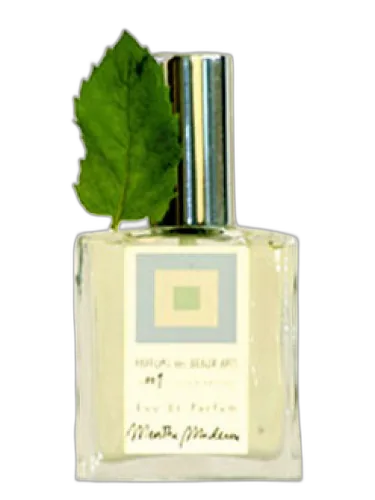
DSH Perfumes
Menthe Moderne Dsh Perfumes
Shared top notes: bergamot

Porsche Design
The Essence Summer Ice Porsche Design
Shared base notes: virginia cedar
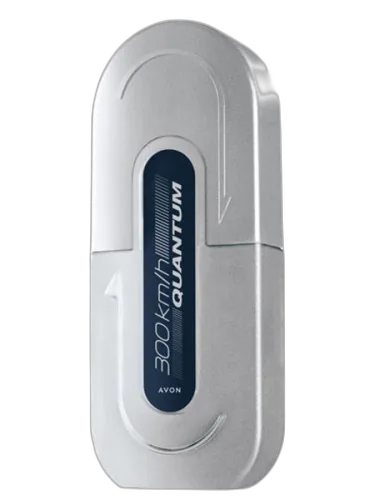
Avon
300 Km/h Quantum Avon
Shared base notes: virginia cedar
JoAnne Bassett
Warm Herbal Citrus Joanne Bassett
Shared top notes: bergamot
Brunello Cucinelli
Vie Eteree Brunello Cucinelli
Shared top notes: bergamot