
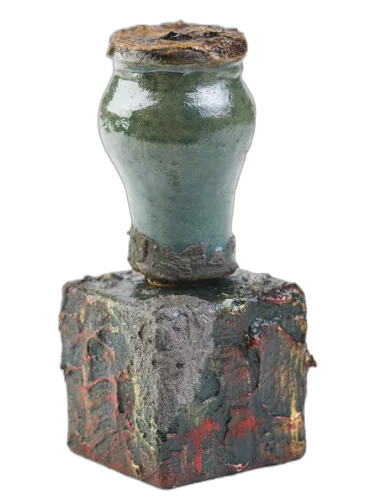
Mioritic Green Edition - Extrait De Folklore Adi Ale Van
At a glance
Is Mioritic Green Edition - Extrait De Folklore Adi Ale Van worth trying?
Mioritic Green Edition - Extrait de Folklore by Adi Ale Van is a Woody Aromatic fragrance for women and men.
- Best match
- Casual wear in Spring
- Zodiac
- Best for Sagittarius
- Performance feel
- Good longevity with Moderate sillage
- Signature profile
- aromatic, woody, balsamic with elemi, Basil, Pink Pepper
The first impression
Mioritic Green Edition - Extrait de Folklore by Adi Ale Van is a Woody Aromatic fragrance for women and men. Top notes are elemi, Basil and Pink Pepper; middle notes are Fig, Incense and Grapefruit; base notes are Dry Wood, Patchouli and White Musk.
What shapes the scent
The perfumer behind it

Adi Ale Van
Adi Ale Van is a perfumer known for evocative, nature-inspired fragrances that capture raw botanical energy. Their work often explores green, earthy accords with a modern twist, as seen in the Mioritic Green Edition. The compositions balance intensity with wearability, creating scents that feel both bold and intimate. Adi Ale Van's approach reflects a deep connection to folklore and natural landscapes.
Notes pyramid
Top Notes
First impression · 15-30 min
 elemi
elemi
 Basil
Basil
 Pink Pepper
Heart Notes
Core character · 2-4 hours
 Fig
Fig
 Incense
 Grapefruit
Base Notes
Lasting impression · 4+ hours
 Dry Wood
 Patchouli
White Musk
Patchouli
White Musk
The mood it creates
The Sage Archetype: Portrait of Mioritic Green Edition - Extrait De Folklore Adi Ale Van
Essence
To wear Mioritic Green Edition - Extrait De Folklore Adi Ale Van is to embrace an olfactory paradox-earthy yet ethereal, rooted yet wandering. This fragrance, with its blend of wild herbs, damp moss, and a whisper of vanilla, evokes the spirit of the solitary wanderer who finds wisdom in the untamed. The person who cherishes this scent is not merely a lover of perfumes but a seeker of hidden truths, a modern-day sage who moves between the realms of nature and intellect.
The Sage is the archetype of wisdom, the one who seeks knowledge not for power but for its own sake. They are drawn to the mysteries of existence, finding meaning in patterns, symbols, and the quiet revelations of the natural world. The Sage does not merely observe; they interpret, always searching for the deeper layers beneath the surface.
Yet, like all archetypes, the Sage has a shadow-the risk of becoming lost in abstraction, of mistaking contemplation for living. They may withdraw too far into their own mind, forgetting that wisdom must sometimes descend from the heights of thought into the messiness of human connection.
Philosophy & Values
Truth is their compass, but not the cold, empirical truth of laboratories. Theirs is the truth of myth, of stories that survive because they hold some essential grain of human experience. They believe in the intelligence of the land, in the wisdom of seasons, in the idea that some answers cannot be spoken, only felt.
They value independence but not isolation. Their relationships are few but deep, built on mutual respect for solitude. They do not cling, nor do they expect others to cling to them. Love, for them, is a quiet fire-warmth without consumption.
Shadow
The danger for the Sage is that their love of wisdom can become a retreat from life. They may grow too comfortable in their own mind, mistaking contemplation for action. Their detachment, once a strength, can harden into aloofness. They might dismiss emotions as distractions, forgetting that wisdom without compassion is merely cleverness in disguise.
At their worst, they become the Hermit-not by choice, but by habit. Their reluctance to engage with the world’s chaos may leave them stranded in theory, never testing their ideas against the friction of reality.
Conclusion
Their life is one of deliberate movement, neither hurried nor idle. They prefer the edges of society-bookshops at dusk, forest paths just after rain, the quiet corners of cafés where conversation hums like distant thunder. Their style is unassuming but deliberate: linen shirts that breathe like leaves, sturdy boots that have known both cobblestone and mud, perhaps a silver ring etched with some forgotten symbol.
They are drawn to the archaic, the folkloric, the things that persist despite modernity’s relentless march. Old books, handwritten letters, the scent of dried herbs in a wooden box-these are their treasures. They do not reject the present, but they sift through it like an archaeologist, searching for fragments of something older, something truer.
If you like this, try these
Fragrances with a comparable profile - shared accords, notes, and character.
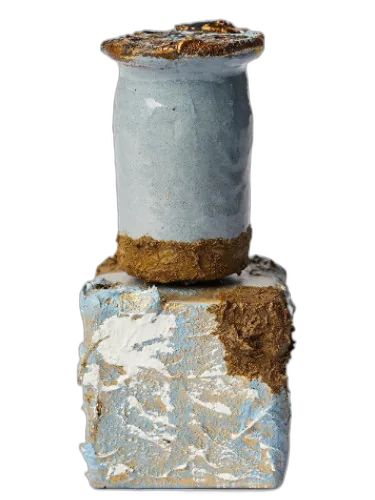
Adi Ale Van
Mioritic - Extrait De Folklore Adi Ale Van
Shared top notes: basil, elemi, pink pepper
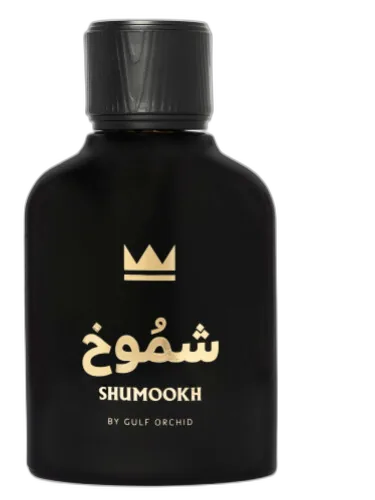
Gulf Orchid
Shumookh Gulf Orchid
Shared top notes: elemi, pink pepper

Fresh
Pray Fresh
Shared top notes: elemi, pink pepper
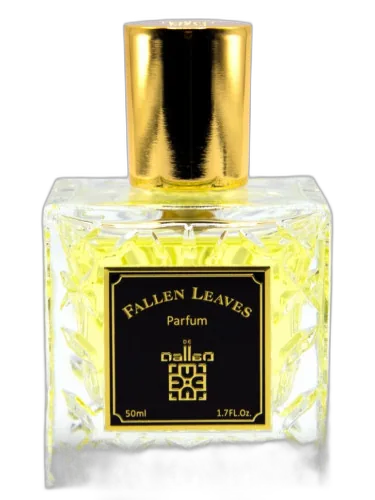
De Dallad Perfumes Olfactive Galleries
Fallen Leaves De Dallad Perfumes Olfactive Galleries
Shared top notes: basil, elemi

Bond No 9
My New York Bond No 9
Shared top notes: elemi, pink pepper