
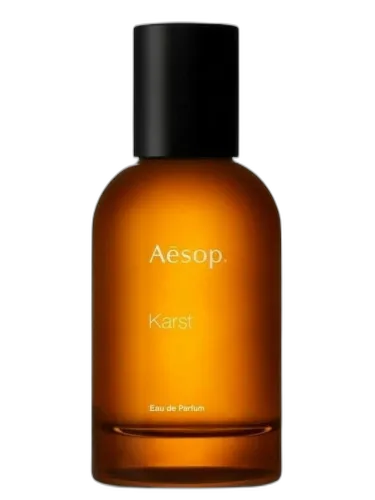

Karst Aesop
At a glance
Is Karst Aesop worth trying?
Karst by Aesop is a Citrus fragrance for women and men.
- Best match
- Casual, Office wear in Spring, Summer
- Performance feel
- Good longevity with Moderate sillage
- Signature profile
- aromatic, fresh spicy, woody with Juniper, Bergamot, Pink Pepper
The first impression
Karst by Aesop is a Citrus fragrance for women and men. Karst was launched in 2021. The nose behind this fragrance is Barnabe Fillion. Top notes are Juniper, Bergamot and Pink Pepper; middle notes are Rosemary, Sage and Cumin; base notes are Vetiver, Sandalwood and Cedar.
What shapes the scent
The perfumer behind it

Barnabe Fillion
Barnabe Fillion is a French perfumer who trained at Givaudan and now works closely with Aesop, where he has become a defining creative force. His style is known for blending raw, mineral-like accords with earthy and aromatic notes, often evoking landscapes and natural textures. He created several of Aesop’s most distinctive fragrances, including the green, citrusy Erémia, the smoky, woody Karst, and the dark, resinous Miraceti.
Notes pyramid
Top Notes
First impression · 15-30 min
 Juniper
 Bergamot
 Pink Pepper
Heart Notes
Core character · 2-4 hours
 Rosemary
 Sage
Sage
 Cumin
Cumin
Base Notes
Lasting impression · 4+ hours
 Vetiver
 Sandalwood
 Cedar
Cedar
The mood it creates
The Sage Archetype: Portrait of Karst Aesop
Essence
The one who chooses Karst by Aesop is not merely drawn to fragrance-they seek an olfactory philosophy. This scent, with its mineralic freshness, crushed greens, and distant marine whispers, belongs to the Hermit-Sage, an archetype that embodies solitude, contemplation, and a relentless pursuit of truth. Like the lone wanderer who steps away from the clamor of the world to listen to the wind, this person values clarity over comfort, austerity over excess. They are not a recluse by necessity, but by choice-a seeker who understands that wisdom is found in stillness.
Style & Aesthetic
Their surroundings mirror their essence: uncluttered, deliberate, yet deeply sensuous. They favor raw textures-unpolished wood, linen, stone-and their wardrobe leans toward muted tones, structured but never stiff. They might wear a well-tailored coat over a wrinkled shirt, suggesting a mind too occupied with thought to fuss over appearances. Their home is a sanctuary of books, dried botanicals, and perhaps a single, striking artwork-something that demands interpretation.
They reject the superfluous, not out of asceticism, but because they believe meaning is diluted by excess. Their taste in music, literature, and art leans toward the minimalist or the enigmatic: ambient soundscapes, haiku, abstract sketches that hint rather than declare. They drink black coffee or bitter tea, savoring the astringency as if it were a reminder of life’s sharp edges.
Philosophy & Values
They prize autonomy above all else. Relationships are not avoided, but carefully curated-they prefer a few profound connections to many shallow ones. Conversations with them are slow-burning, often laced with silence. They listen intently, responding not with platitudes but with questions that unravel assumptions. Their humor is dry, their patience vast, but their tolerance for pretense is thin.
Yet within this self-possession lies a paradox. The same clarity that allows them to see through illusions can harden into dogmatism. They may mistake their own detachment for objectivity, dismissing emotions-their own and others’-as distractions. Their love of solitude, if unchecked, can become isolation, a fortress rather than a retreat.
Shadow
The Hermit-Sage’s greatest danger is not ignorance, but disillusionment. When their ideals clash with the messiness of human nature, they may withdraw further, mistaking detachment for wisdom. Their sharp perception can curdle into cynicism, their independence into emotional austerity. They might dismiss sentiment as weakness, forgetting that wisdom without warmth is a barren thing.
At their worst, they become the Exile, a figure who stands apart not out of choice, but because they no longer believe in belonging. The world’s noise disgusts them, and they mistake this disgust for superiority. Yet even here, there is potential-for the Exile, if they remember to return, carries back insights that others cannot see from within the crowd.
Conclusion
Karst is not a perfume for those who wish to be noticed-it is for those who wish to notice. Its mineralic chill evokes standing on a cliff at dawn, the air sharp with salt and ozone. This is not a scent of seduction, but of presence, a reminder that the most profound truths are found in the spaces between words.
The one who wears it does not seek to charm, but to invite reflection. And in that, they succeed-for their essence lingers, like the memory of a place untouched, waiting to be rediscovered.
If you like this, try these
Fragrances with a comparable profile - shared accords, notes, and character.
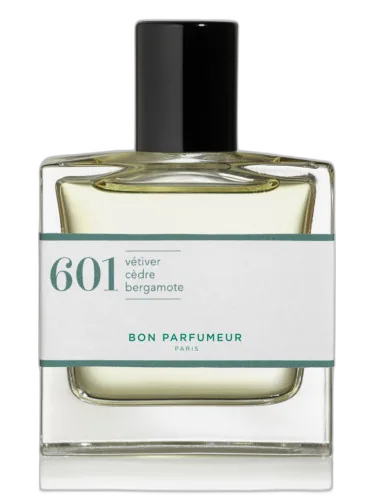
Bon Parfumeur
601 Vetiver, Cedar, Bergamot Bon Parfumeur
Shared top notes: bergamot, pink pepper
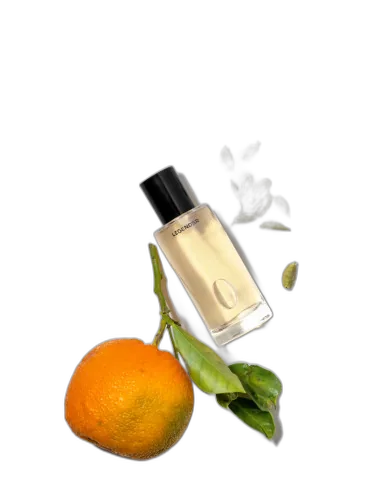
LEGENDÄR
Bigarade Santal Legendär
Shared top notes: bergamot
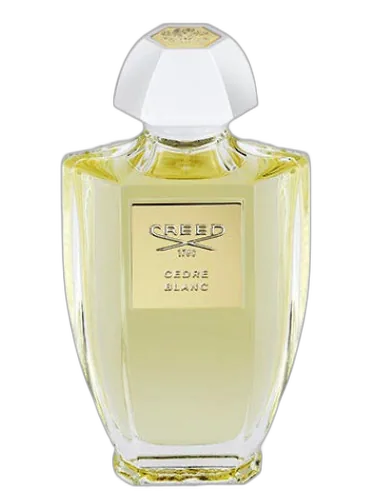
Creed
Cedre Blanc Creed
Shared top notes: bergamot

Guerlain
Le Songe De La Reine Guerlain
Shared top notes: bergamot, pink pepper
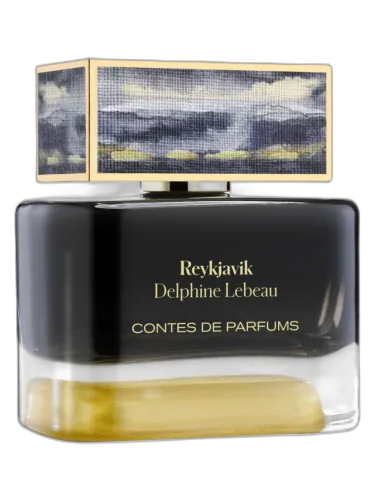
Contes de Parfums
Reykjavik (delphine Lebeau) Contes De Parfums
Shared top notes: pink pepper