


Ouranon Aesop
At a glance
Is Ouranon Aesop worth trying?
Ouranon by Aesop is a Oriental Woody fragrance for women and men.
- Best match
- Evening, Special Occasion wear in Fall, Winter
- Performance feel
- Very Good longevity with Strong sillage
- Signature profile
- amber, fresh spicy, aromatic with Lavender, elemi, Petitgrain
The first impression
Ouranon by Aesop is a Oriental Woody fragrance for women and men. This is a new fragrance. Ouranon was launched in 2023. The nose behind this fragrance is Barnabé Fillion. Top notes are Lavender, elemi and Petitgrain; middle notes are Hay, Frankincense and Chamomile; base notes are Myrrh, Patchouli and Tonka Bean.
What shapes the scent
The perfumer behind it

Barnabe Fillion
Barnabe Fillion is a French perfumer who trained at Givaudan and now works closely with Aesop, where he has become a defining creative force. His style is known for blending raw, mineral-like accords with earthy and aromatic notes, often evoking landscapes and natural textures. He created several of Aesop’s most distinctive fragrances, including the green, citrusy Erémia, the smoky, woody Karst, and the dark, resinous Miraceti.
Notes pyramid
Top Notes
First impression · 15-30 min
 Lavender
 elemi
elemi
 Petitgrain
Heart Notes
Core character · 2-4 hours
 Hay
Frankincense
Hay
Frankincense
 Chamomile
Base Notes
Lasting impression · 4+ hours
 Myrrh
Myrrh
 Patchouli
 Tonka Bean
The mood it creates
The Sage Archetype: Portrait of Ouranon Aesop
Essence
To wear Ouranon by Aesop is to embrace an aura of quiet contemplation-a fragrance that speaks of dry woods, smoky resins, and the faintest whisper of spice. It is neither loud nor eager to please, yet it lingers in the mind like an unsolved riddle. The person who chooses this scent is drawn to the enigmatic, the intellectual, and the timeless. They are, at their core, a Sage-an archetype defined by wisdom, introspection, and a relentless pursuit of truth.
Style & Aesthetic
Their daily life is a ritual of intentionality. Mornings might begin with black coffee and a journal, evenings with a carefully selected book or a solitary walk. They are drawn to slow, immersive experiences-travel that prioritizes depth over checklist tourism, meals that are savored rather than devoured.
Work is not merely a means to an end but an extension of their identity. They thrive in fields that reward deep thinking-academia, writing, philosophy, or design. If they choose a conventional career, they will find ways to infuse it with meaning, resisting the pull of mindless routine.
Philosophy & Values
For this individual, life is an endless study. They are not content with superficial answers; they seek the underlying patterns, the hidden meanings. Their philosophy is one of measured curiosity, a belief that knowledge is not merely accumulated but distilled into something purer, more essential. They might be drawn to Stoicism, Zen Buddhism, or the works of Nietzsche himself-systems of thought that prize clarity over dogma.
They do not chase trends; they observe them with detached amusement. Their tastes are refined but never ostentatious-a well-worn leather-bound book, a minimalist apartment with a single striking artwork, a wardrobe of muted tones that suggest deliberation rather than indifference. They value substance over spectacle, and their presence carries a quiet authority.
Relationships
The Sage does not collect friends; they cultivate them with care. Their relationships are built on mutual intellectual stimulation, and they are drawn to those who challenge their thinking. They may be slow to trust, but once they do, their loyalty is unwavering. Romantic partners must respect their need for solitude-for the Sage, love is not about possession but about shared growth.
Yet, their detachment can be mistaken for coldness. They may struggle with emotional vulnerability, preferring the safety of ideas over the messiness of feelings. Their shadow emerges when they retreat too far into the mind, leaving others feeling shut out.
Shadow
The Sage’s greatest strength is also their greatest weakness. Their love of knowledge can harden into intellectual pride, dismissing those who do not meet their standards. They may grow impatient with emotional discussions, seeing them as irrational or trivial. At their worst, they become the Hermit, isolating themselves in a fortress of thought, mistaking solitude for superiority.
Yet, when balanced, they embody the best of their archetype-a guide, not a gatekeeper. Their wisdom is not hoarded but shared, their insights not wielded as weapons but offered as gifts.
If you like this, try these
Fragrances with a comparable profile - shared accords, notes, and character.
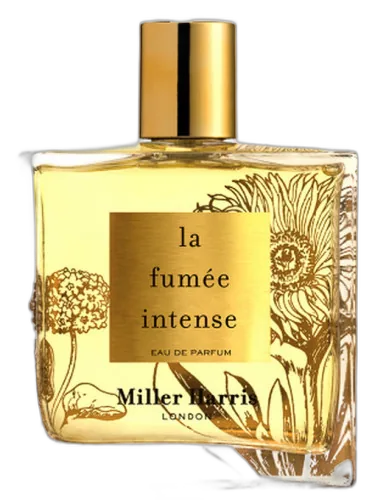
Miller Harris
La Fumee Intense Miller Harris
Shared top notes: elemi, lavender
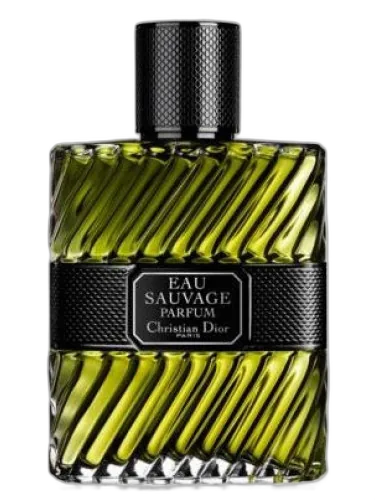
Dior
Eau Sauvage Parfum Dior
Shared top notes: petitgrain
Yohji Yamamoto
Y-3 Black Label Yohji Yamamoto
Shared top notes: elemi
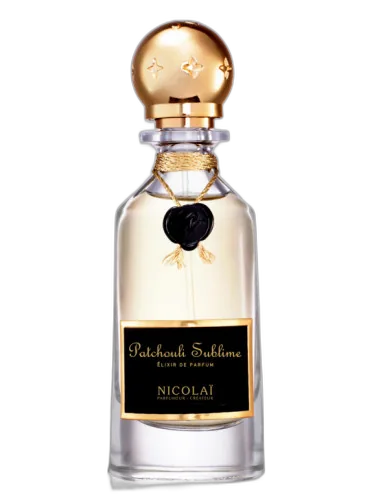
Nicolai Parfumeur Createur
Patchouli Sublime Nicolai Parfumeur Createur
Shared top notes: lavender

Mind Games
Gambit Mind Games
Shared top notes: lavender, petitgrain