
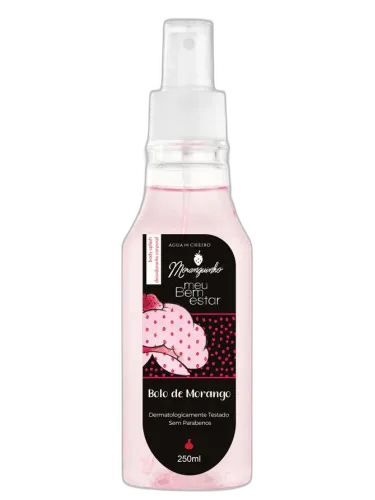

Meu Bem Estar Moranguinho Bolo De Morango Água De Cheiro
At a glance
Is Meu Bem Estar Moranguinho Bolo De Morango Água De Cheiro worth trying?
Meu Bem Estar Moranguinho Bolo de Morango by Água de Cheiro is a Aromatic Fruity fragrance for women.
- Best match
- Casual wear in Summer
- Zodiac
- Best for Leo
- Performance feel
- Moderate longevity with Moderate sillage
- Signature profile
- fruity, sweet, vanilla with Strawberry, Red Fruits, Little Doll Strawberry
The first impression
Meu Bem Estar Moranguinho Bolo de Morango by Água de Cheiro is a Aromatic Fruity fragrance for women. This is a new fragrance. Meu Bem Estar Moranguinho Bolo de Morango was launched in 2022. The nose behind this fragrance is Tamara Mannina. Top notes are Strawberry and Red Fruits; middle note is Little Doll Strawberry; base notes are Vanilla, Tonka Bean and Musk.
What shapes the scent
The perfumer behind it

Tamara Mannina
Tamara Mannina is a perfumer who has worked with brands like Avatim, Eudora, and O Boticário. Her creations include Carmim, Niina Secrets Celebrate, and Cuide-se Bem Biscoito Ou Bolacha?. She also develops fragrances for FELISA, such as Fabulous Vanilla and Majestic Rose, often focusing on gourmand and floral themes.
Notes pyramid
Top Notes
First impression · 15-30 min
 Strawberry
 Red Fruits
Heart Notes
Core character · 2-4 hours
 Little Doll Strawberry
Base Notes
Lasting impression · 4+ hours
 Vanilla
 Tonka Bean
 Musk
Musk
The mood it creates
The Strawberry Dreamer Archetype: Portrait of Meu Bem Estar Moranguinho Bolo De Morango Água De Cheiro
Essence
To wear Meu Bem Estar Moranguinho Bolo De Morango Água De Cheiro is to embrace a fragrance that is unapologetically sweet, playful, and nostalgic-like the scent of childhood summers, sticky fingers, and carefree laughter. The person who chooses this fragrance is not merely drawn to its sugary allure; they are, at their core, a modern embodiment of the Innocent archetype, one of Jung’s primordial patterns of the psyche. The Innocent seeks purity, simplicity, and joy, often retreating into a world where life remains untainted by cynicism. Yet, like all archetypes, this one casts a shadow-a reluctance to face the bitter complexities of reality.
Shadow
Yet, the shadow of the Innocent is a reluctance to confront life’s harshness. Their insistence on sweetness can become a shield against pain, leading to emotional repression. When faced with conflict, they might retreat into fantasy or deflect with humor rather than engage in difficult conversations. Their optimism, when unchecked, can border on denial-refusing to acknowledge betrayal, disappointment, or their own unmet needs.
They may struggle with boundaries, giving too much of themselves in relationships, only to feel hollow when their kindness is taken for granted. Their fear of bitterness can make them passive, avoiding necessary confrontations. At their worst, they risk becoming trapped in perpetual adolescence, resisting growth because maturity demands acknowledging life’s sour notes alongside the sweet.
Conclusion
This person moves through life with a lightness that others find either enchanting or perplexing. Their laughter is frequent, their smile effortless. They are drawn to things that evoke nostalgia-fairy tales, pastel colors, handwritten letters, and desserts that remind them of childhood. Their style is whimsical yet deliberate: soft fabrics, playful prints, and accessories that hint at a love for the fantastical. They might favor strawberry-shaped earrings or a pastel pink handbag, not out of irony, but because these things genuinely delight them.
Philosophically, they believe in kindness as a guiding principle. The world, to them, should be fair, gentle, and full of sweetness-much like the fragrance they adore. They are often the friend who remembers birthdays, who brings homemade treats to gatherings, who listens without judgment. Their optimism is not naive in the way of ignorance, but rather a conscious choice to focus on beauty. They find joy in small rituals: baking, arranging flowers, or watching the sunrise with a cup of tea.
In relationships, they are affectionate and nurturing, often assuming the role of the emotional caretaker. They believe in love as a force of good, and they are quick to forgive, sometimes to a fault. Their presence is comforting, like a warm embrace after a long day.
If you like this, try these
Fragrances with a comparable profile - shared accords, notes, and character.
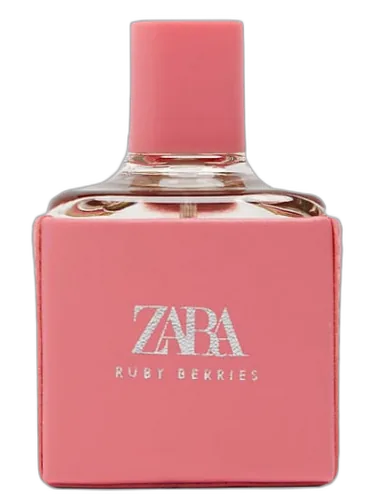
Zara
Ruby Berries Zara
Shared top notes: red fruits
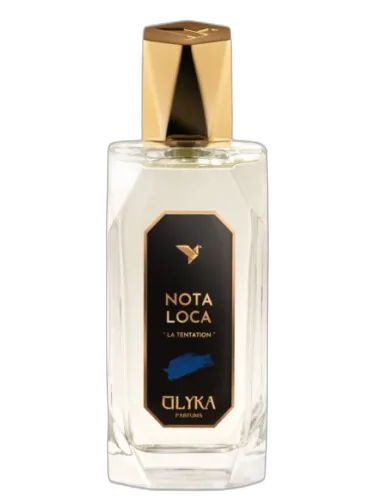
Ulyka Parfums
Nota Loca Ulyka Parfums
Shared base notes: musk, tonka bean, vanilla
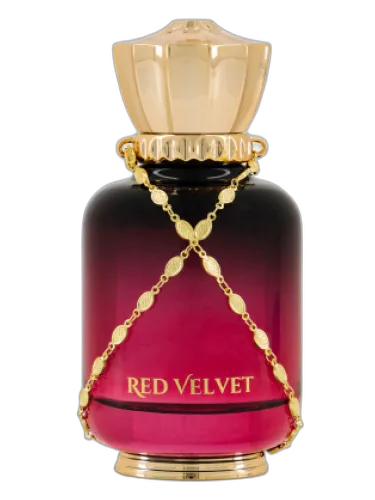
MAISON ASRAR
Red Velvet Maison Asrar
Shared top notes: red fruits, strawberry

Rasht Otr
Endless Love Rasht Otr
Shared top notes: strawberry

Sephora
Hello Kitty Sephora
Shared base notes: musk, tonka bean, vanilla