
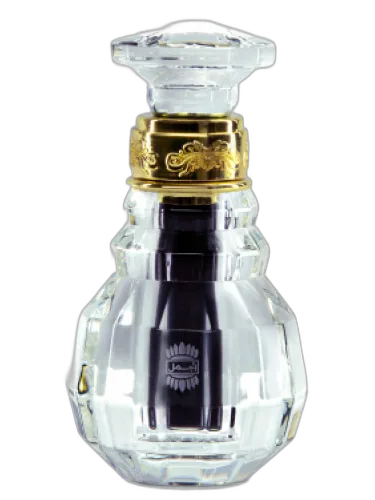

Dahn Al Oudh Majd Ajmal
At a glance
Is Dahn Al Oudh Majd Ajmal worth trying?
Dahn Al Oudh Majd by Ajmal is a Woody Aromatic fragrance for women and men.
- Best match
- Evening wear in Winter
- Performance feel
- Excellent longevity with Strong sillage
- Signature profile
- oud, fresh spicy with Indian Oud, Agarwood, Vietnamese Oud
The first impression
Dahn Al Oudh Majd by Ajmal is a Woody Aromatic fragrance for women and men. Dahn Al Oudh Majd was launched in 2020.
What shapes the scent
The perfumer behind it

Ajmal Ali
Ajmal Ali is a perfumer celebrated for his expertise in oud-based fragrances. His creations, like Dahn Al Oudh Maymun, showcase a mastery of blending oud with other exotic notes. His style emphasizes authenticity and craftsmanship, appealing to connoisseurs of traditional Middle Eastern perfumery. Ali’s work reflects a deep respect for the art of fragrance making.
Notes pyramid
All Notes
Complete scent profile
 Indian Oud
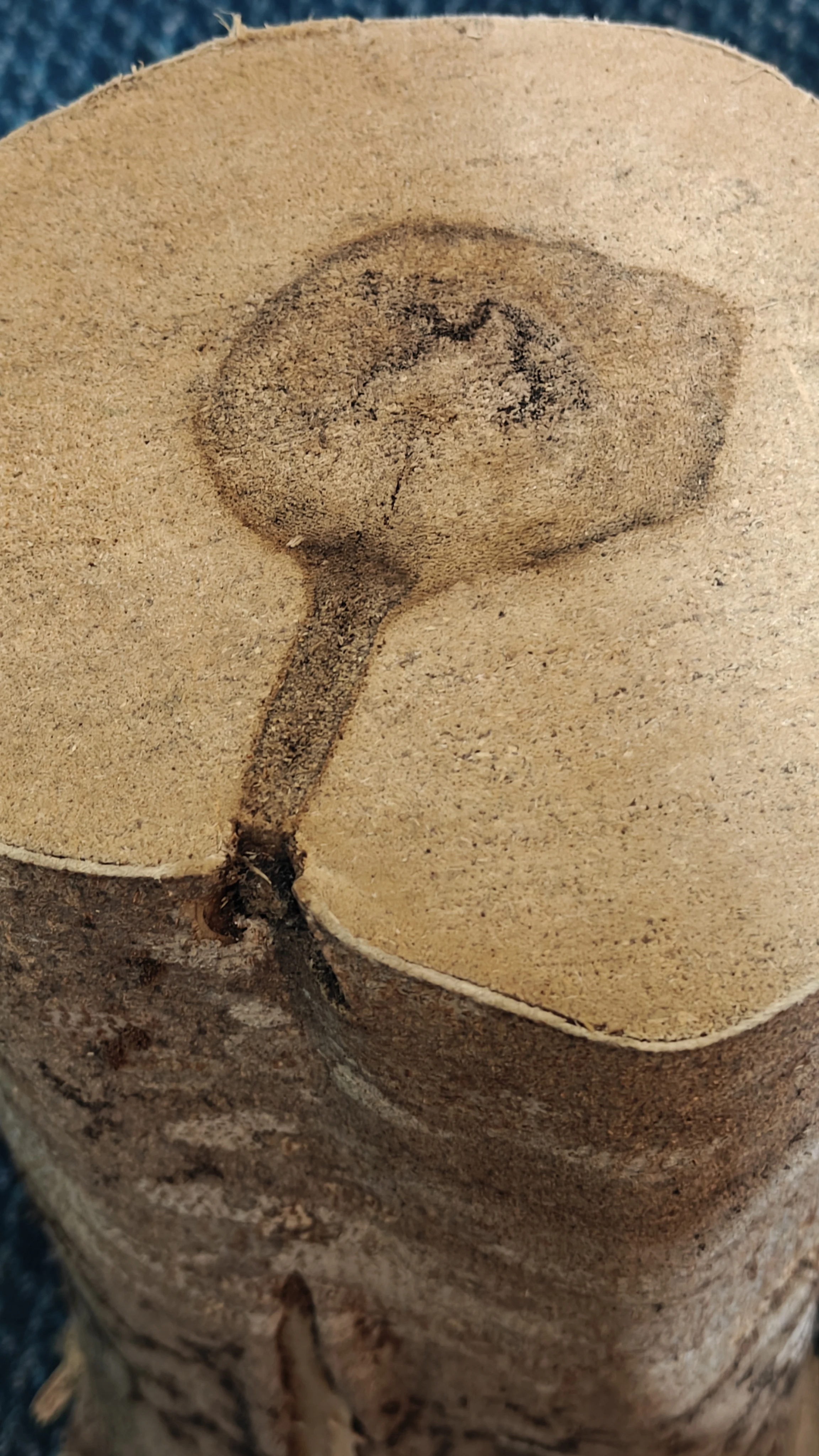 Agarwood
 Vietnamese Oud
The mood it creates
The Sovereign Archetype: Portrait of Dahn Al Oudh Majd Ajmal
Essence
To wear Dahn Al Oudh Majd Ajmal is to announce oneself without words-a fragrance of regal depth, smoky richness, and unyielding presence. This is not a scent for the timid or the fleeting; it is an olfactory crown, demanding attention while exuding an air of timeless authority. The person who chooses this fragrance is no mere participant in life-they are its sovereign, a figure who moves through the world with the weight of command and the magnetism of power.
At their core, this individual embodies the Ruler archetype-the one who governs, stabilizes, and imposes order. Like the oud at the heart of their chosen fragrance, they are deep, complex, and impossible to ignore. The Ruler thrives on control, not out of pettiness, but from a fundamental belief that structure elevates existence. They are the architect of their destiny, the steady hand in chaos, the one who assumes responsibility when others hesitate.
Yet, power is a double-edged sword, and the Ruler’s shadow looms just as large-dominance can slip into tyranny, confidence into arrogance, and leadership into isolation.
Shadow
But power corrupts not in its possession, but in its misuse. The Ruler’s greatest flaw is their inability to relinquish control. They mistake dominance for wisdom, silence dissent too quickly, and may grow impatient with those who cannot meet their standards. Their strength becomes rigidity; their confidence, hubris.
In love, they may struggle with vulnerability, equating openness with weakness. They demand much-perhaps too much-from partners, expecting the same relentless drive they possess. Their children may admire them, but also fear disappointing them. Friendships are few but deep, though some may secretly resent their unspoken expectation of deference.
Conclusion
Their tastes are as refined as they are unapologetic. Luxury is not frivolity to them, but a necessity-a reflection of their inner worth. They favor tailored suits, polished leather, and jewelry that speaks of heritage rather than trend. Their home is a sanctuary of order: dark woods, rich textiles, and curated art that whispers of legacy. They do not chase fashion; they define it.
Philosophy, for them, is not abstract-it is lived. They believe in discipline, in the mastery of self before the mastery of circumstance. Stoicism appeals to them, but so does the Nietzschean will to power-the idea that one must rise, not by chance, but by sheer force of character. They respect tradition but are not bound by it; they bend the world to their vision rather than conform to it.
If you like this, try these
Fragrances with a comparable profile - shared accords, notes, and character.
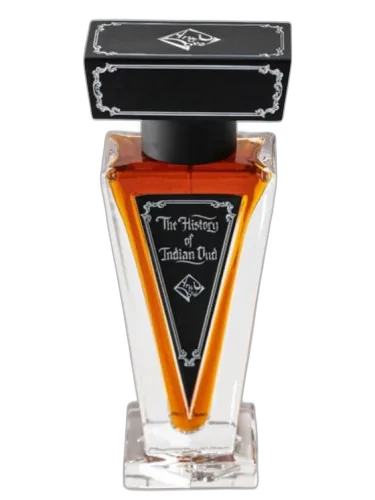
Areej Le Doré
The History Of Indian Oud Areej Le Doré
Shared top notes: indian oud
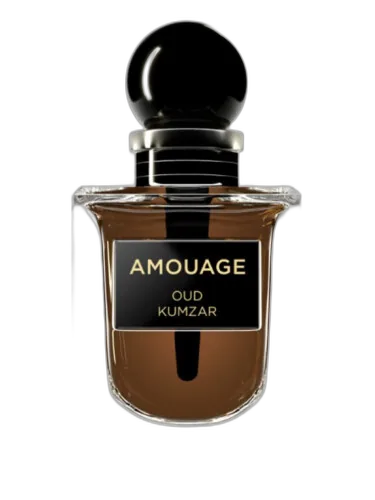
Amouage
Oud Kumzar Amouage
Shared top notes: indian oud
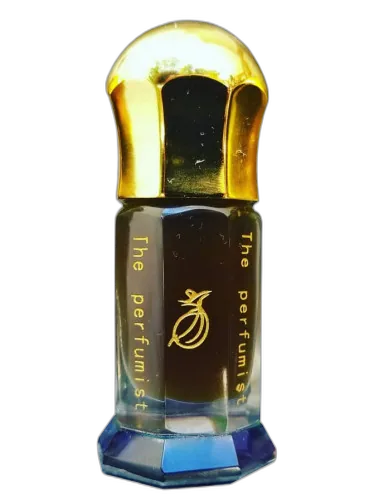
The Perfumist
Kalakas The Perfumist
Shared top notes: indian oud

Jinkoh Store
Emperor Of Meghalaya Jinkoh Store
Shared top notes: indian oud
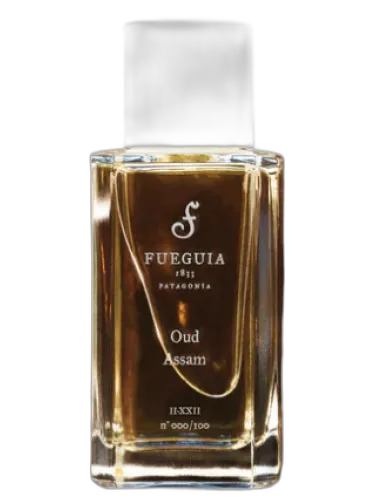
Fueguia 1833
Oud Assam Fueguia 1833
Shared top notes: indian oud