
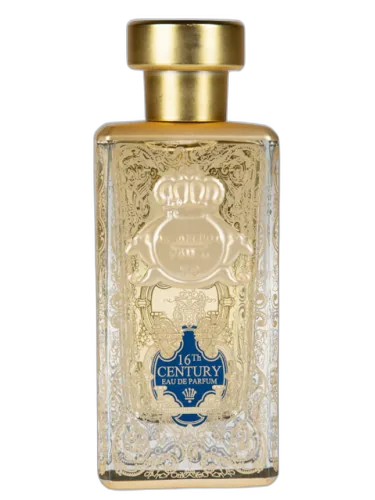
16th Century Al-jazeera Perfumes
At a glance
Is 16th Century Al-jazeera Perfumes worth trying?
16th Century by Al-Jazeera Perfumes is a Oriental Floral fragrance for women and men.
- Best match
- Evening, Special Occasion wear in Fall, Winter
- Performance feel
- Moderate longevity with Moderate sillage
- Signature profile
- musky, vanilla, powdery with Pink Pepper, Raspberry, Jasmine
The first impression
16th Century by Al-Jazeera Perfumes is a Oriental Floral fragrance for women and men. 16th Century was launched in 2021. The nose behind this fragrance is Jean-Christophe Hérault. Top notes are Pink Pepper, Raspberry and Jasmine; middle notes are Ambrette (Musk Mallow), Heliotrope and Rose; base notes are Patchouli, Musk and Vanilla.
What shapes the scent
The perfumer behind it

Jean-Christophe Hérault
Jean-Christophe Hérault is a French perfumer known for his work with major houses like Balenciaga and Azzaro. He created Florabotanica and Rosabotanica for Balenciaga, as well as Azzaro Chrome Aqua. His portfolio also includes fragrances for Boucheron and Balchaud, showcasing a range from fresh aquatics to floral compositions.
Notes pyramid
Top Notes
First impression · 15-30 min
 Pink Pepper
 Raspberry
 Jasmine
Heart Notes
Core character · 2-4 hours
 Ambrette (Musk Mallow)
 Heliotrope
 Rose
Rose
Base Notes
Lasting impression · 4+ hours
 Patchouli
 Musk
Musk
 Vanilla
The mood it creates
The Alchemist Archetype: Portrait of 16th Century Al-jazeera Perfumes
Essence
16th Century embodies the Alchemist archetype, a master of transformation who turns the ordinary into the extraordinary. The juxtaposition of pink pepper and raspberry with deep vanilla and musk suggests someone who thrives on contrasts, finding harmony in unexpected combinations. They are both scientist and artist, fascinated by the process of change.
There's an experimental quality to them, a willingness to take risks in pursuit of something greater. The floral heart softens their intellectual edge, reminding us that even alchemy requires intuition and grace.
Style & Aesthetic
Their style blends historical references with modern edge-perhaps a tailored frock coat worn over contemporary minimalist separates. They favor rich textures like velvet and raw silk, often in deep jewel tones or unexpected color combinations. Their accessories might include antique rings or a modern geometric pendant.
Their workspace is a carefully organized chaos, with books, specimens, and half-finished projects arranged in a system only they understand. Every object tells a story of curiosity and discovery.
Philosophy & Values
They believe in the fundamental mutability of existence-that with knowledge and effort, anything can be transformed into something more valuable. For them, the journey matters as much as the destination; failed experiments are simply steps toward understanding.
They value knowledge but distrust dogma, preferring to test theories themselves. Their ethics emphasize responsibility-the power to transform carries the duty to do so wisely.
Relationships
In relationships, they are passionate but sometimes distracted, their mind always working on some new puzzle. Romantic partners must appreciate their need for intellectual stimulation and independent pursuits. They communicate best through shared projects rather than conventional romance.
Their friendships are often based on mutual curiosity, with conversations that range from philosophy to the latest scientific breakthroughs. They collect people as they do ideas-diverse and fascinating.
Lifestyle
Their days are punctuated by bursts of intense focus followed by periods of rest and absorption. They might spend hours in research or creation, forgetting meals, only to emerge ravenous for both food and new experiences. Travel is essential, as every culture offers new ingredients for their personal alchemy.
Evenings might find them hosting salon-style gatherings or curled up with a centuries-old text, drawing connections across time.
Shadow
Their greatest risk is becoming so enamored with transformation that they never appreciate things as they are. There's a danger of treating people as projects rather than individuals. They must remember that not everything needs improving.
They can also become isolated in their pursuits, forgetting that even alchemists need community and simple human connection.
Conclusion
16th Century is the scent of ancient libraries and modern laboratories, of formulas whispered across centuries. Like the Alchemist who wears it, this fragrance speaks to the magic of transformation-not just of materials, but of the self. It's a reminder that we are all works in progress, and that the greatest discoveries often come from unexpected combinations.
If you like this, try these
Fragrances with a comparable profile - shared accords, notes, and character.
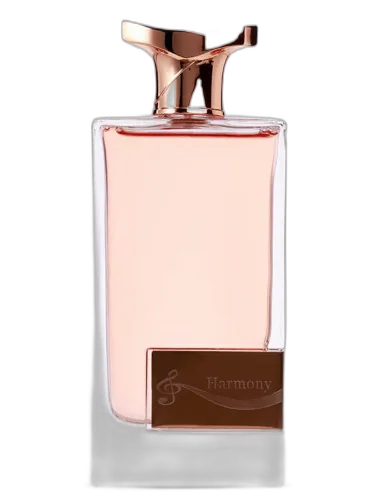
Aurora Scents
Harmony Aurora Scents
Shared top notes: pink pepper
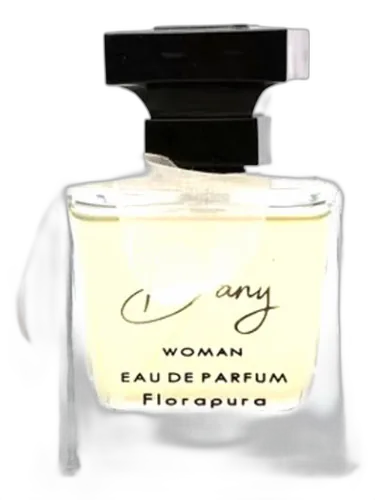
Flora Pura
Dany Woman Flora Pura
Shared top notes: pink pepper, raspberry
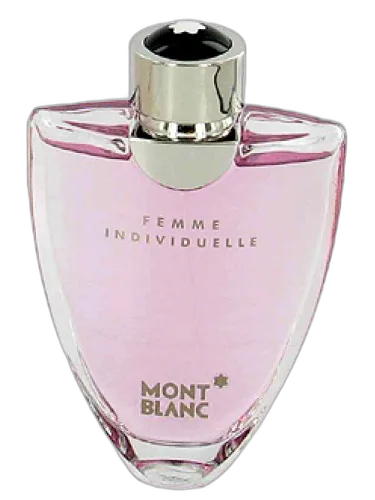
Montblanc
Femme Individuelle Montblanc
Shared top notes: pink pepper
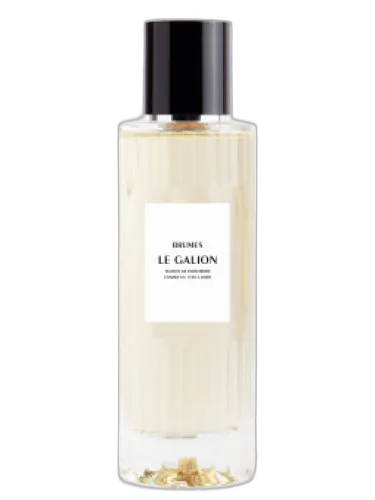
Le Galion
Brumes (2020) Le Galion
Shared top notes: raspberry
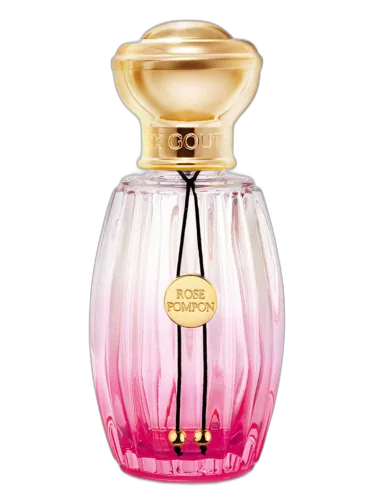
Goutal
Rose Pompon Eau De Toilette Goutal
Shared top notes: pink pepper, raspberry