
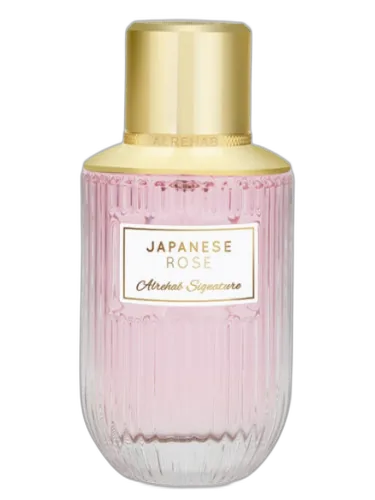

Japanese Rose Al-rehab
At a glance
Is Japanese Rose Al-rehab worth trying?
Japanese Rose by Al-Rehab is a Floral fragrance for women and men.
- Best match
- Casual wear in Spring
- Performance feel
- Good longevity with Moderate sillage
- Signature profile
- fruity, rose, amber with Cassis, Pink Pepper, Calone
The first impression
Japanese Rose by Al-Rehab is a Floral fragrance for women and men. This is a new fragrance. Japanese Rose was launched in 2023. Top notes are Cassis, Pink Pepper and Calone; middle notes are Blackberry, Rose and Rose Oxide; base notes are Ambroxan, Cedar and Musk.
What shapes the scent
The perfumer behind it

Unknown Perfumer
Notes pyramid
Top Notes
First impression · 15-30 min
 Cassis
 Pink Pepper
 Calone
Heart Notes
Core character · 2-4 hours
 Blackberry
 Rose
Rose
 Rose Oxide
Base Notes
Lasting impression · 4+ hours
 Ambroxan
 Cedar
Cedar
 Musk
Musk
The mood it creates
The Lover Archetype: Portrait of Japanese Rose Al-rehab
Essence
Japanese Rose by Al-Rehab is a delicate yet intoxicating scent-soft, floral, with a whisper of sweetness, neither cloying nor fleeting. It evokes the image of a rose bathed in morning dew, tender yet resilient. The person who chooses this fragrance is drawn to beauty that lingers, to subtlety that speaks volumes. They are not one for brashness or excess; their presence is felt in quiet moments, in the way they turn a room with a glance, a smile, a lingering trace of scent.
Style & Aesthetic
Their tastes are refined but never ostentatious. They prefer the understated elegance of a well-worn book, the texture of handmade paper, the muted colors of a sunset over a city skyline. They might collect vintage perfume bottles, pressed flowers, or handwritten letters-objects that hold stories. Their wardrobe leans toward flowing fabrics, soft textures, and timeless cuts, favoring comfort and subtle allure over trends.
In philosophy, they are drawn to the transcendental-whether through art, spirituality, or human connection. They believe in the sacredness of small moments: the way light filters through leaves, the warmth of a shared silence, the brush of fingertips against skin. They are not materialistic in the conventional sense, but they are deeply sensual, finding meaning in touch, scent, and sound.
Relationships
They do not give their heart lightly, but when they do, it is with an intensity that can be overwhelming. They crave intimacy that transcends the superficial, seeking partners who understand the language of nuance. Their love is not possessive in the crude sense, but they are prone to idealizing those they adore, which can lead to disappointment when reality fails to match the fantasy.
Friendships, too, are curated-they prefer a few deep bonds over many shallow ones. They are the confidant, the one who listens with full presence, who remembers the details others forget. But they can also withdraw when they feel misunderstood, retreating into solitude rather than engaging in meaningless chatter.
Shadow
Their greatest strength-their capacity for deep feeling-is also their greatest vulnerability. When their ideals are shattered, they do not merely grieve; they question the very fabric of their reality. They may become melancholic, nostalgic to the point of paralysis, or cynical if too many dreams have crumbled.
There is also the danger of escapism. The Romantic may prefer the beauty of imagination to the messiness of reality, avoiding conflict or difficult truths in favor of an idealized vision. They might linger too long in relationships that are more fantasy than substance, or they may struggle with commitment, always chasing the next sublime experience rather than grounding themselves in the present.
Conclusion
At their core, they embody the Romantic archetype, one who seeks beauty, connection, and meaning through the senses. The Romantic is not merely a dreamer but a curator of experience, shaping life into something poetic. They are drawn to the aesthetics of existence-art, music, nature, human emotion-and they measure the world by its capacity to move them.
Yet, like all archetypes, the Romantic has its shadow. Where there is deep appreciation, there can also be yearning; where there is passion, there can be possessiveness. The Romantic does not merely love-they are consumed by love, sometimes to the point of idealization or disillusionment.
If you like this, try these
Fragrances with a comparable profile - shared accords, notes, and character.
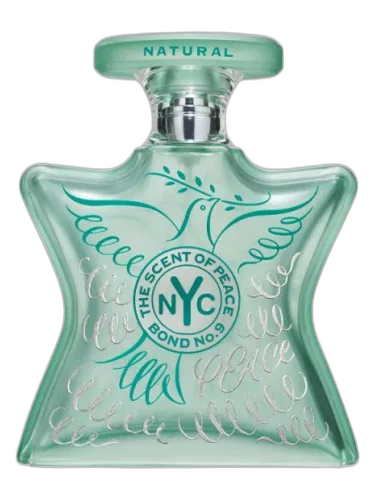
Bond No 9
The Scent Of Peace Natural Bond No 9
Shared base notes: ambroxan, cedar, musk

Mith
Mystery Of Wild Berry Mith
Shared heart notes: rose
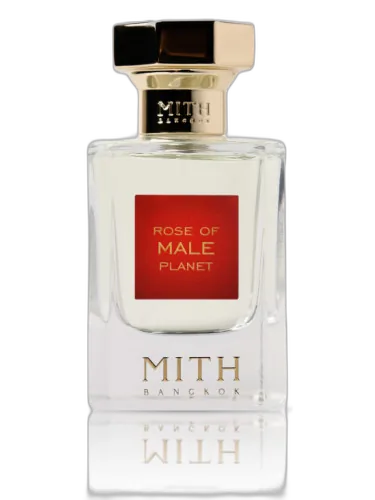
Mith
Rose Of Male Planet Mith
Shared top notes: pink pepper
Moschino
Toy 2 Bubble Gum Moschino
Shared base notes: ambroxan, cedar, musk
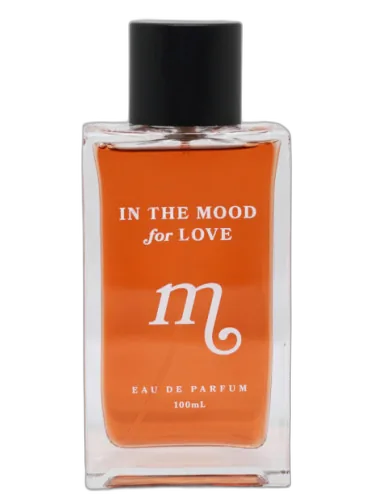
Y25
In The Mood For Love M Y25
Shared heart notes: rose