
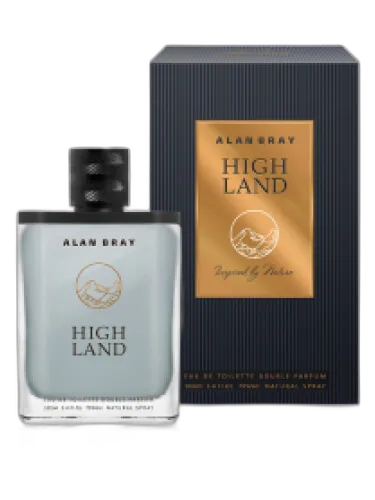

Highland Alan Bray
At a glance
Is Highland Alan Bray worth trying?
Highland by Alan Bray is a Oriental Spicy fragrance for men.
- Best match
- Evening wear in Fall
- Performance feel
- Very Good longevity with Strong sillage
- Signature profile
- amber, fresh spicy, tobacco with Apple, Martini, Lime
The first impression
Highland by Alan Bray is a Oriental Spicy fragrance for men. This is a new fragrance. Highland was launched in 2024. Top notes are Apple, Martini and Lime; middle notes are Cherry Liqueur, Black Pepper, Nutmeg and Cinnamon; base notes are Amber, Tobacco, Guaiac Wood, Vanilla and Hazelnut.
What shapes the scent
The perfumer behind it

Unknown Perfumer
Notes pyramid
Top Notes
First impression · 15-30 min
 Apple
Apple
 Martini
 Lime
Lime
Heart Notes
Core character · 2-4 hours
 Cherry Liqueur
 Black Pepper
 Nutmeg
 Cinnamon
Base Notes
Lasting impression · 4+ hours
 Amber
Amber
 Tobacco
 Guaiac Wood
 Vanilla
 Hazelnut
The mood it creates
The Explorer Archetype: Portrait of Highland Alan Bray
Essence
To wear Highland Alan Bray is to carry the scent of mist-laden moors, damp earth, and the quiet resilience of ancient stones. This fragrance speaks of solitude and movement, of a soul drawn to the untamed edges of the world. The person who chooses it is not one for the well-trodden path; they are the Explorer, an archetype defined by insatiable curiosity, a hunger for authenticity, and a refusal to be confined by convention.
Shadow
Yet the Explorer’s strength is also their flaw. Their relentless pursuit of the new can make commitment difficult-not just to people, but to ideas, careers, even their own past. They may struggle with roots, viewing attachment as a kind of surrender. At their worst, they become the Eternal Seeker, never satisfied, always restless, mistaking motion for progress.
They may romanticize solitude to the point of isolation, dismissing those who crave stability as "unadventurous." Their disdain for conformity can harden into arrogance, a belief that they alone see the world truly. And when the road loses its luster, they may face a quiet despair-the fear that no destination will ever feel like home.
Conclusion
Their life is a series of departures-sometimes literal, often metaphorical. They may travel frequently, seeking landscapes that mirror their inner restlessness, or they may simply live with a mind always drifting toward the next horizon. Their tastes are eclectic but deliberate: well-worn leather boots, a jacket that has seen storms, books with dog-eared pages on philosophy, anthropology, or forgotten histories. They prefer the raw over the refined, the genuine over the polished.
Philosophically, they reject dogma. They are drawn to thinkers who question-Nietzsche, Camus, Rebecca Solnit-those who see life as a journey rather than a destination. Their values center on freedom, self-discovery, and the belief that meaning is not given but forged through experience. They despise complacency, and their greatest fear is stagnation-the slow death of routine.
If you like this, try these
Fragrances with a comparable profile - shared accords, notes, and character.

Neotantric
Dirty Money Neotantric
Shared heart notes: black pepper, nutmeg
Viking
Âmbar 38 Viking
Shared heart notes: cinnamon, nutmeg
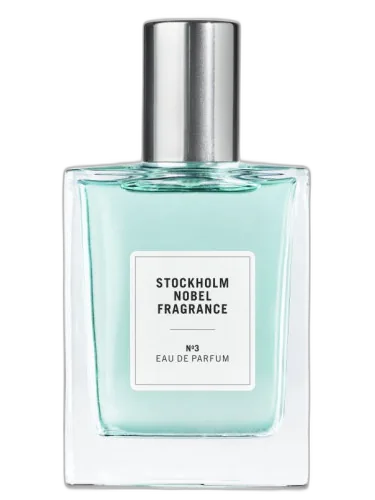
Stockholm Nobel Fragrance
No 3 Stockholm Nobel Fragrance
Shared heart notes: cinnamon, nutmeg

Alexandria Fragrances
Royal Equestrian Alexandria Fragrances
Shared top notes: apple
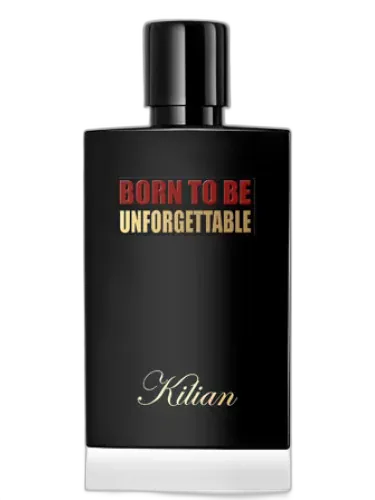
By Kilian
Born To Be Unforgettable By Kilian
Shared top notes: lime