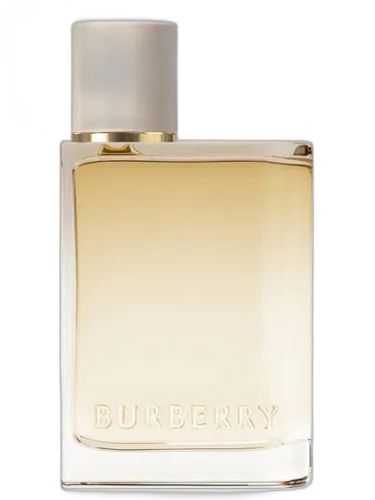

Nostalgia Alchemic Muse
At a glance
Is Nostalgia Alchemic Muse worth trying?
Nostalgia by Alchemic Muse is a fragrance for women and men.
- Best match
- Evening wear in Fall
- Performance feel
- Good longevity with Moderate sillage
- Signature profile
- rose, aromatic, citrus with Earl Grey Tea, Lemon, Milk
The first impression
Nostalgia by Alchemic Muse is a fragrance for women and men. Top notes are Earl Grey Tea, Lemon and Milk; middle notes are English Rose and Lavender; base notes are Musk, Tobacco and Amber.
What shapes the scent
The perfumer behind it

Alchemic Muse
Alchemic Muse is a perfumer celebrated for creating evocative and atmospheric fragrances. Their scents, such as Boardwalk and Bonfire, transport wearers to vivid sensory experiences. The brand excels in blending nostalgic and unconventional notes to craft unique olfactory stories. Their work appeals to those who enjoy imaginative and immersive perfumery.
Notes pyramid
Top Notes
First impression · 15-30 min
 Earl Grey Tea
 Lemon
Lemon
 Milk
Milk
Heart Notes
Core character · 2-4 hours
 English Rose
 Lavender
Base Notes
Lasting impression · 4+ hours
 Musk
Musk
 Tobacco
 Amber
Amber
The mood it creates
The Lover Archetype: Portrait of Nostalgia Alchemic Muse
Essence
To wear Nostalgia by Alchemic Muse is to wrap oneself in the scent of old books, vanilla-dusted amber, and the faint whisper of forgotten summers. This fragrance does not merely evoke memory-it conjures the act of remembering itself, the deliberate and almost ritualistic summoning of the past. The person who chooses this scent is not merely sentimental; they are an alchemist of emotion, distilling the ephemeral into something tangible.
Above all, they are a Sage, one who seeks wisdom not in the future but in the layered depths of the past. Like Jung’s archetypal wise elder, they are drawn to knowledge, reflection, and the quiet power of understanding. Yet their wisdom is not cold or detached-it is warm, almost tactile, steeped in the sensory richness of lived experience. They do not merely think; they remember, and in remembering, they find meaning.
But the Sage has a shadow, and theirs is the danger of becoming lost in the labyrinth of memory, mistaking reflection for living. They may grow so enamored with the past that they neglect the present, or worse-idealize what was to the point of distorting what is.
Relationships
Their friendships and loves are deep but few, built on the slow accretion of shared experience. They do not trust easily, for trust requires time-and time, to them, is sacred. Once given, their loyalty is unshakable, but they expect the same in return. They are the keeper of inside jokes, the one who remembers anniversaries others forget, the silent witness to the gradual changes in those they love.
Yet this devotion to memory can become a burden. They may hold grudges longer than necessary, unable to release old wounds. Or they may idealize past relationships, comparing new loves unfavorably to ghosts. Their shadow whispers that nothing new can ever measure up to what has been lost.
Shadow
The greatest danger for this Sage is stagnation-the belief that the best has already been, that the future holds only pale imitations of the past. They may resist change, clinging to routines and rituals long after they have ceased to serve them. Their nostalgia, once a source of comfort, can curdle into melancholy, a quiet despair that the world no longer holds the magic it once did.
But when balanced, their reverence for the past does not trap them; it grounds them. They understand that to know where one is going, one must first know where one has been. Their wisdom is not in living in the past, but in carrying its lessons forward-like the scent of Nostalgia itself, lingering just long enough to remind, but never so long as to overwhelm.
Conclusion
Their tastes are deliberate, curated with the precision of a historian assembling an archive. They prefer the weight of a well-bound book over the flicker of a screen, the crackle of vinyl over the sterile convenience of streaming. Their home is a museum of personal significance: sepia-toned photographs, inherited trinkets, shelves lined with leather and parchment. They do not merely own things; they keep them, as if each object were a vessel for some intangible truth.
In style, they favor timelessness over trends-soft wool, aged leather, fabrics that whisper rather than shout. Their aesthetic is not one of deliberate vintage affectation but of organic accumulation, as if their wardrobe, like their mind, has been shaped by years of careful selection.
Philosophically, they are drawn to cyclical notions of time, to the idea that history does not merely pass but returns in echoes. They may quote Nietzsche’s concept of eternal recurrence not as a metaphysical claim but as a poetic truth: the past is never truly gone, only waiting to be rediscovered.
If you like this, try these
Fragrances with a comparable profile - shared accords, notes, and character.