


Imramma Alkemia Perfumes
At a glance
Is Imramma Alkemia Perfumes worth trying?
Imramma by Alkemia Perfumes is a fragrance for women and men.
- Best match
- Casual wear in Summer
- Performance feel
- Good longevity with Moderate sillage
- Signature profile
- aromatic, woody with Alder, Ammophila (beach grass), Salt
The first impression
Imramma by Alkemia Perfumes is a fragrance for women and men. Imramma was launched in 2018. The nose behind this fragrance is Sharra Lamoureaux.
What shapes the scent
The perfumer behind it

Sharra Lamoureaux
Sharra Lamoureaux is a perfumer whose work appears under Alkemia Perfumes, with a portfolio that includes evocative names like 1891, A Darkness Burning, and Absinthe And Laudanum In The Afternoon. Their fragrances often explore historical, literary, and darkly romantic themes. Lamoureaux's style is known for its narrative depth and use of unusual, atmospheric accords.
Notes pyramid
All Notes
Complete scent profile
 Alder
Alder
 Ammophila (beach grass)
 Salt
Salt
 Water Notes
 Lavender
 Myrica
 Ambrette (Musk Mallow)
 Cedar
Cedar
 Yarrow
 Juniper
 Seaweed
The mood it creates
The Lover Archetype: Portrait of Imramma Alkemia Perfumes
Essence
The one who wears Imramma by Alkemia Perfumes is not merely a lover of fragrance but a seeker of the unseen. Their soul is drawn to the liminal-the spaces between waking and dreaming, the known and the mysterious. The Mystic archetype defines them, for they are not content with the surface of things. They crave depth, symbolism, and the whispers of the intangible.
Imramma-with its blend of ancient woods, desert sands, and distant spices-speaks to them because it is not just a scent but a journey. It evokes forgotten temples, caravan routes under starlit skies, and the quiet wisdom of those who walk between worlds. The Mystic does not simply wear perfume; they invoke an atmosphere, a spell, a fragment of myth made tangible.
Style & Aesthetic
Their wardrobe is an extension of their inner world-layered, textured, slightly anachronistic. They favor flowing fabrics, earthy tones, and jewelry with symbolic weight: talismans, sigils, stones that carry stories. Their home is a sanctuary of dim lighting, books with cracked spines, and artifacts collected from travels (real or imagined).
They are not trend-driven but atmosphere-driven. A room must feel like an invocation, not just a space. They might burn incense not for the scent alone, but for the ritual-the way smoke curls like a question mark in the air.
They thrive in the in-between hours-dawn and dusk, when the world is neither day nor night. Their routines are sacred but unstructured: morning tea sipped in silence, long walks without destination, journal entries that blur the line between poetry and prayer.
They may work in creative fields-writing, art, healing practices-or they may labor in ordinary jobs, but always with the sense that their true life happens elsewhere, in the secret chambers of their mind.
Philosophy & Values
To them, life is a tapestry of hidden meanings. They reject the tyranny of the literal, preferring instead to dwell in metaphor and allegory. Their philosophy is one of sacred curiosity-they believe that truth is not something to be grasped but something to be approached with reverence, like a half-remembered dream.
They value intuition over dogma, silence over noise, and the subtle over the obvious. They are drawn to esoteric traditions, not out of mere fascination, but because they sense that wisdom lingers in the margins of history. Yet, they are not dogmatic; their spirituality is fluid, adapting like water to the contours of their experience.
Relationships
Their connections are deep but few. They do not scatter their energy in casual bonds; friendship, to them, is a kind of alchemy. They seek those who understand the language of silence, who can sit with the unspoken and find meaning there.
Romantically, they are drawn to fellow wanderers-those who see love as a shared pilgrimage rather than a transaction. But herein lies their shadow: their idealism can make them impatient with the mundane realities of human frailty. They may retreat when others fail to meet their vision, leaving behind confusion in their wake.
Shadow
The Mystic’s greatest strength is also their peril. Their love for the unseen can become an escape from the tangible world. When disillusioned, they may withdraw entirely, cloaking themselves in solitude until they risk becoming ghosts in their own lives.
They may also fall into the trap of spiritual arrogance-believing that because they perceive deeper layers, they are somehow above the ordinary. This is their hubris: the assumption that mystery belongs only to the initiated, forgetting that even the mundane holds its own kind of magic.
Conclusion
The lover of Imramma is neither entirely of this world nor entirely apart from it. They walk with one foot in the realm of dreams and the other in the dust of the earth. Their challenge is to bridge the two-to bring the sacred into the everyday without losing themselves in abstraction.
When they succeed, they are guides, visionaries, keepers of forgotten keys. When they falter, they become phantoms, haunting the edges of a world they no longer recognize. But always, always, they are searching-for the scent on the wind, the sign in the stars, the next fragment of the infinite.
If you like this, try these
Fragrances with a comparable profile - shared accords, notes, and character.

IUNX
No. 02 L’eau Sento Iunx
Shared top notes: cedar, seaweed

Hermetica
Cedarise Hermetica
Shared top notes: cedar

Commodity
Book Commodity
Shared accords: aromatic, woody

Aesop
Marrakech Intense Aesop
Shared accords: aromatic, woody
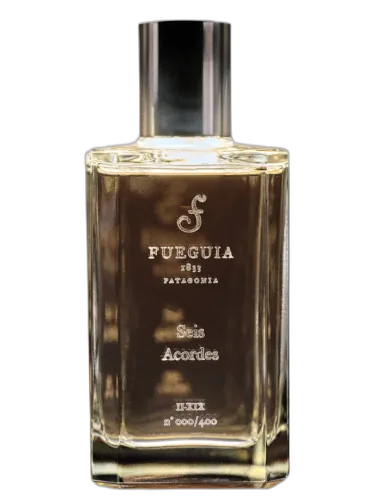
Fueguia 1833
Seis Acordes Fueguia 1833
Shared accords: aromatic, woody