
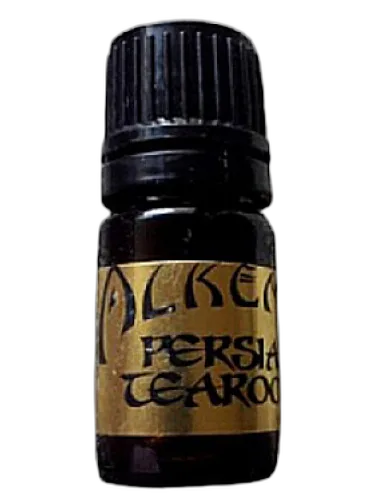

Persian Tea Room Alkemia Perfumes
At a glance
Is Persian Tea Room Alkemia Perfumes worth trying?
Persian Tea Room by Alkemia Perfumes is a fragrance for women and men.
- Best match
- Evening wear in Fall, Winter
- Performance feel
- Good longevity with Strong sillage
- Signature profile
- warm spicy, leather, musky with Spicy Notes, Tea, Leather
The first impression
Persian Tea Room by Alkemia Perfumes is a fragrance for women and men. Persian Tea Room was launched in 2009. The nose behind this fragrance is Sharra Lamoureaux.
What shapes the scent
The perfumer behind it

Sharra Lamoureaux
Sharra Lamoureaux is a perfumer whose work appears under Alkemia Perfumes, with a portfolio that includes evocative names like 1891, A Darkness Burning, and Absinthe And Laudanum In The Afternoon. Their fragrances often explore historical, literary, and darkly romantic themes. Lamoureaux's style is known for its narrative depth and use of unusual, atmospheric accords.
Notes pyramid
All Notes
Complete scent profile
 Spicy Notes
 Tea
Tea
 Leather
 Musk
Musk
 Agarwood (Oud)
The mood it creates
The Sage Archetype: Portrait of Persian Tea Room Alkemia Perfumes
Essence
Persian Tea Room is the Sage incarnate-a fragrance steeped in wisdom and quiet intensity. Its spicy tea and leather notes evoke the hushed atmosphere of a scholar's study, where ideas simmer like steam rising from a porcelain cup. The oud and musk lend a contemplative depth, suggesting years of accumulated knowledge.
This is a scent for those who seek understanding, who find solace in the ritual of thought. It does not shout but murmurs, inviting closer listening, deeper reflection.
Style & Aesthetic
They prefer rich, textured fabrics-brocade waistcoats, woolen scarves with intricate patterns. Their aesthetic is one of understated luxury, where every piece has a history. A well-worn leather-bound book, a brass compass that no longer points north-these are their treasures.
Their surroundings are curated but not cluttered, each object chosen for its resonance. They might favor dim lighting, the better to create pockets of shadow and illumination.
Philosophy & Values
They believe in the pursuit of knowledge, but not for its own sake-wisdom must be lived, not just stored away. They value patience, the slow unfurling of truth. For them, every encounter is a chance to learn, every silence a lesson.
They are skeptical of easy answers, preferring the complexity of questions that resist resolution. Their faith is in the process, not the outcome.
Relationships
They are the listener, the one who asks the probing question. Their relationships are built on mutual respect, a shared love of depth over surface. They are not the life of the party but the quiet presence at its edges, drawing others into meaningful conversation.
In love, they seek a partner who can match their intellectual curiosity, who understands that passion can be as much about the mind as the body.
Lifestyle
Their days are structured around rituals of thought-morning journaling, evening walks to untangle ideas. They might keep a cabinet of curiosities, filled with artifacts from travels real or imagined. Tea is not just a drink but a ceremony, a pause in the day's momentum.
They are most at home in libraries, or in the corner of a café where the hum of conversation becomes a backdrop to their reflections.
Shadow
Their danger lies in over-intellectualizing, in retreating so far into thought that they lose touch with the visceral. They may become dogmatic, clinging to their hard-won truths even when life demands flexibility.
There is also the risk of isolation, of believing that wisdom must be solitary. They must remember that knowledge, too, is a communal act.
Conclusion
Persian Tea Room is a fragrance for those who find beauty in the life of the mind. It is an invitation to sit awhile, to let the layers of spice and smoke reveal themselves slowly. Wear it when you seek not just to know, but to understand.
If you like this, try these
Fragrances with a comparable profile - shared accords, notes, and character.

Pierre Guillaume Paris
Metal Hurlant Pierre Guillaume Paris
Shared top notes: leather, musk
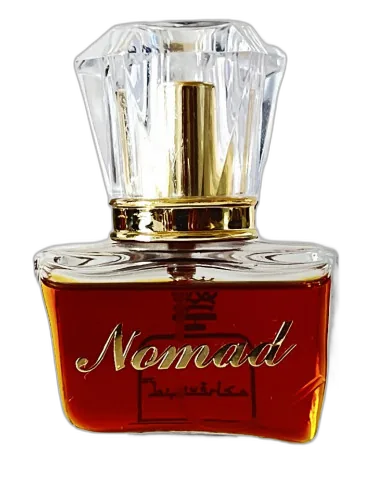
AzherOud
Nomad Azheroud
Shared top notes: agarwood (oud), leather, musk
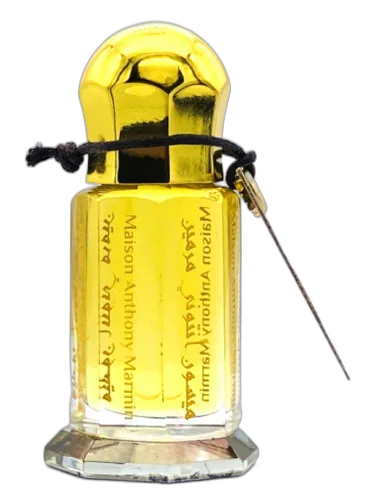
Maison Anthony Marmin
Oud Abiyad Maison Anthony Marmin
Shared top notes: agarwood (oud), leather, musk
CherrykasTrunk
Conquering Horseman Cherrykastrunk
Shared top notes: leather, musk
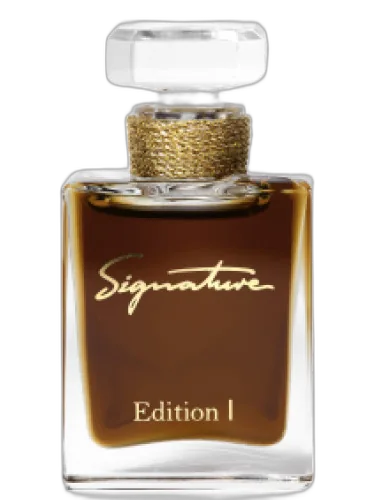
Signature Yashmagh
Edition 1 Signature Yashmagh
Shared top notes: agarwood (oud), musk