


Stag Moon Alkemia Perfumes
At a glance
Is Stag Moon Alkemia Perfumes worth trying?
Stag Moon by Alkemia Perfumes is a Woody Chypre fragrance for women and men.
- Best match
- Evening wear in Fall
- Performance feel
- Good longevity with Moderate sillage
- Signature profile
- woody, leather, smoky with Birch, Maple, Leather
The first impression
Stag Moon by Alkemia Perfumes is a Woody Chypre fragrance for women and men. Stag Moon was launched in 2018. The nose behind this fragrance is Sharra Lamoureaux.
What shapes the scent
The perfumer behind it

Sharra Lamoureaux
Sharra Lamoureaux is a perfumer whose work appears under Alkemia Perfumes, with a portfolio that includes evocative names like 1891, A Darkness Burning, and Absinthe And Laudanum In The Afternoon. Their fragrances often explore historical, literary, and darkly romantic themes. Lamoureaux's style is known for its narrative depth and use of unusual, atmospheric accords.
Notes pyramid
All Notes
Complete scent profile
 Birch
Birch
 Maple
Maple
 Leather
 Smoke
Smoke
 Fern
Fern
 Rum
Rum
 Oakmoss
 Dried Fallen Leaves
 Musk
Musk
 Clove
Clove
 Cedar
Vanilla Flower
Cedar
Vanilla Flower
The mood it creates
The Sage Archetype: Portrait of Stag Moon Alkemia Perfumes
Essence
At their core, the person who gravitates toward Stag Moon by Alkemia Perfumes is a Sage-a seeker of wisdom, a wanderer between worlds. This fragrance, with its blend of forest moss, autumnal spices, and lunar musk, evokes a mind that thrives in the liminal, where intellect and intuition meet. The Sage is not merely a scholar but a mystic of the natural world, one who understands that truth is not found in books alone but in the whispers of the wind and the scent of damp earth after rain.
Yet, the Sage is not without their shadow. The same depth that grants them insight can become a labyrinth of overthinking, and their love for solitude may edge toward isolation. They walk the line between enlightenment and detachment, between wisdom and arrogance.
Style & Aesthetic
Their aesthetic is organic yet deliberate-raw materials shaped by intention. They favor textures that tell a story: worn leather, rough linen, silver darkened by time. Their clothing is neither trendy nor antiquated but exists outside of fashion, as if woven from the landscape itself. Earth tones dominate, but there is always a hint of something unexpected-a deep blue like twilight, a pendant carved from bone.
They are drawn to objects that carry history-a secondhand book with marginalia, a knife with a nicked blade. Their home is a sanctuary of curated wildness: dried herbs hanging from beams, stones arranged on a windowsill, candles burned down to uneven stubs.
Their days are structured around ritual and reflection. Mornings begin with tea brewed from foraged herbs, evenings with journaling under lamplight. They are drawn to practices that merge discipline with intuition-yoga, meditation, wildcrafting. They move through the world at their own pace, resisting the frenzy of modernity.
But this self-sufficiency can harden into stubbornness. They may dismiss convention too readily, mistaking rebellion for wisdom. Their independence, while admirable, can become a refusal to rely on others, even when necessary.
Philosophy & Values
Their philosophy is one of harmony through understanding. They do not seek to conquer nature or people but to listen, interpret, and integrate. They believe in cycles-of the moon, of seasons, of human emotion-and see themselves as part of an ancient rhythm rather than a solitary actor. Truth is not absolute but layered, and they are comfortable dwelling in ambiguity.
Yet, this fluidity can become indecision. Their reluctance to impose meaning can render them passive, watching life unfold rather than shaping it. They may mistake observation for participation, believing that understanding a thing is the same as engaging with it.
Relationships
They are selectively intimate, valuing depth over breadth. Their closest bonds are with those who share their reverence for the unseen-the poets, the herbalists, the midnight thinkers. Conversation with them is not small talk but an excavation of ideas, a mutual unraveling of mysteries.
Yet, their introversion can be misread as aloofness. They may withdraw when overwhelmed, leaving others to wonder if they care at all. Their love is deep but quiet, expressed in gestures rather than words-a hand-pressed letter, a carefully chosen gift. Those who need overt affection may find them distant, even cold.
Shadow
The greatest danger for the Stag Moon individual is detachment masquerading as enlightenment. They may convince themselves that solitude is always noble, that their remove from the world is a sign of depth rather than fear. Their wisdom, if unchecked, can curdle into condescension-a belief that others simply "do not understand."
To truly embody the Sage, they must remember that wisdom is not a fortress but a bridge. The stag may wander alone, but it returns to the herd. The moon, though distant, pulls the tides. Their challenge is to remain rooted in the world even as they transcend it.
Conclusion
When in balance, the Stag Moon individual is a guide, not a recluse-a keeper of ancient knowledge who shares it without ego. Their presence is grounding, their mind a lantern in the dark. They remind us that to know the world, one must also know the self, and that the deepest truths are often found in the spaces between words.
But they must never forget: wisdom untested by life is merely theory. The true Sage does not just observe the fire-they feel its warmth, risk its burn, and learn from both.
If you like this, try these
Fragrances with a comparable profile - shared accords, notes, and character.

Alkemia Perfumes
Autumnalis Alkemia Perfumes
Shared top notes: dried fallen leaves, fern, maple
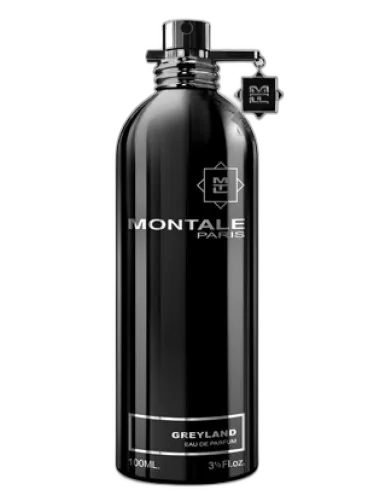
Montale
Greyland Montale
Shared top notes: cedar, leather, musk

Zents
Fig Zents
Shared accords: aromatic, earthy, mossy
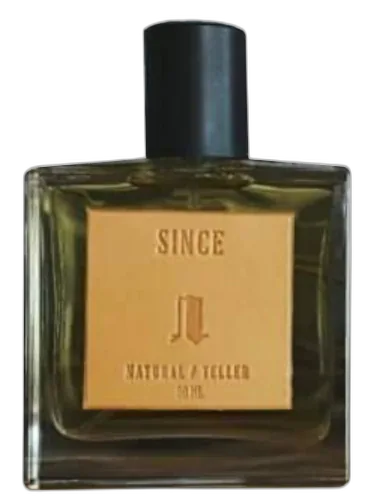
Natural Teller
Since Natural Teller
Shared top notes: leather, musk, oakmoss
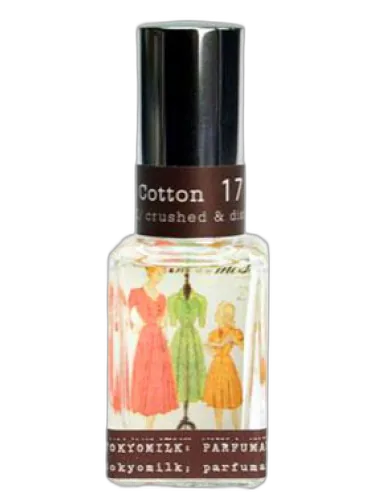
Tokyo Milk Parfumerie Curiosite
Paper & Cotton Tokyo Milk Parfumerie Curiosite
Shared top notes: birch