
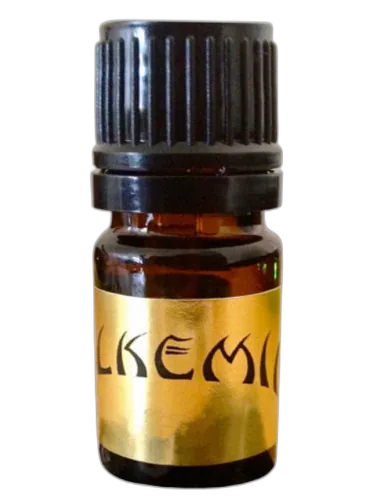

The Rhymer's Club Alkemia Perfumes
Fragrance Story
The Rhymer's Club by Alkemia Perfumes is a fragrance for women and men. The nose behind this fragrance is Sharra Lamoureaux.
Composition Profile
About the Perfumer

Sharra Lamoureaux
Sharra Lamoureaux is a perfumer whose work appears under Alkemia Perfumes, with a portfolio that includes evocative names like 1891, A Darkness Burning, and Absinthe And Laudanum In The Afternoon. Their fragrances often explore historical, literary, and darkly romantic themes. Lamoureaux's style is known for its narrative depth and use of unusual, atmospheric accords.
Fragrance Notes
All Notes
Complete scent profile
 Absinthe
 Rose Petals
 Lavender
 Palisander Rosewood
 Sugar
Sugar
 Anise
Anise
 Oakmoss
Sea Notes
Oakmoss
Sea Notes
 Linen
Linen
 Ink
Ink
The Rhymer's Club Alkemia Perfumes by Alkemia Perfumes offers a distinctive olfactory experience that stands out from other fragrances in its category.
Crafted with the finest ingredients and a blend of traditional and modern perfumery techniques, this fragrance represents the pinnacle of the perfumer's art.
The Rhymer's Club Alkemia Perfumes embodies the distinctive style of Alkemia Perfumes while adding a unique chapter to their fragrance portfolio.
Character Profile
The Archetype Archetype: Portrait of The Rhymer's Club Alkemia Perfumes
Essence
To wear The Rhymer’s Club by Alkemia is to carry the scent of ink-stained fingers and clandestine conversations in dimly lit rooms. This fragrance-a blend of bergamot, Earl Grey, paper, and leather-belongs to one who sees the world through metaphor, who measures life in verses rather than hours. Their archetype is unmistakable: The Sage, but not the detached scholar-rather, the wandering poet, the observer who distills truth into beauty.
Shadow
But the Sage, when unbalanced, risks becoming a prisoner of their own intellect. Their love for reflection can curdle into paralysis-endless analysis with no action. They may romanticize solitude to the point of isolation, mistaking loneliness for profundity. At times, their wit turns caustic, their observations sharp enough to draw blood.
They are prone to melancholy, not the grand despair of tragedy, but the quiet, gnawing kind-the sense that they are always slightly out of step with the world. Their idealism can sour into cynicism when reality fails to match their inner visions. And though they despise clichés, they sometimes fall into their own: the tortured artist, the misunderstood genius, the observer who never quite participates.
Conclusion
They move through life with the quiet precision of a wordsmith, collecting impressions like pressed flowers between pages. Their mind is a cabinet of curiosities-filled with half-formed sonnets, fragments of philosophy, and the kind of insights that arrive unannounced at 3 AM. They are drawn to the elegance of the unsaid, preferring implication to declaration.
Their style is deliberate but never ostentatious: well-worn leather satchels, soft wool scarves, perhaps a single antique ring-each piece chosen for its texture, its history, its silent narrative. They favor dim cafés over crowded bars, where the hum of conversation becomes a backdrop for thought. Their relationships are deep but few; they seek kindred spirits who understand the weight of a well-placed silence.
Philosophically, they reject dogma in favor of nuance. They believe in the power of language to shape reality, yet they distrust grand proclamations. Their values are rooted in authenticity-not the performative kind, but the slow, deliberate cultivation of self. They are drawn to the melancholic beauty of impermanence, finding solace in the way autumn leaves decay as elegantly as they fall.
Similar Fragrances
Fragrances with a comparable profile - shared accords, notes, and character.
Alkemia Perfumes
The Rhymer's Club Alkemia Perfumes
Shared accords: anis, aromatic, bitter
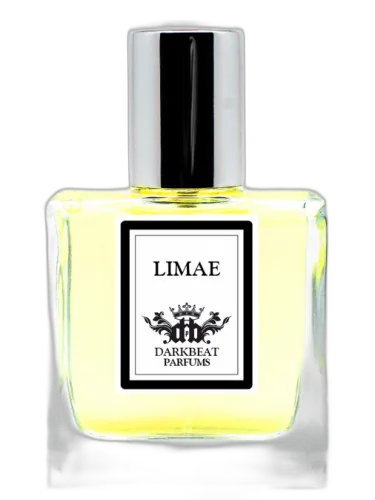
Darkbeat Parfums
Limae Darkbeat Parfums
Shared accords: aromatic, lavender, marine

Oriflame
Infinite Rush Oriflame
Shared accords: anis, aromatic, marine
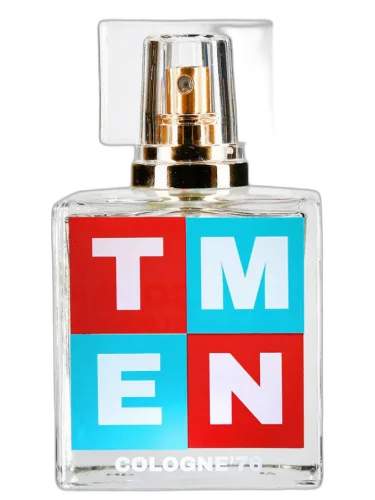
Tabacora Parfums
T Men Cologne'76 Tabacora Parfums
Shared accords: anis, aromatic, lavender
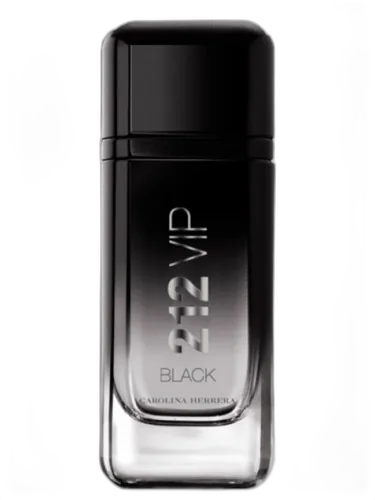
Carolina Herrera
212 Vip Black Carolina Herrera
Shared accords: anis, aromatic, bitter