
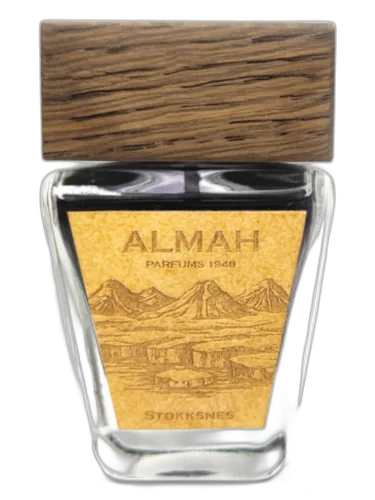

Stokknes Almah Parfums 1948
At a glance
Is Stokknes Almah Parfums 1948 worth trying?
Stokknes by Almah Parfums 1948 is a fragrance for men.
- Best match
- Evening wear in Fall
- Performance feel
- Very Good longevity with Moderate sillage
- Signature profile
- woody, warm spicy, amber with ebony tree, Virginia Cedar, Leather
The first impression
Stokknes by Almah Parfums 1948 is a fragrance for men. Stokknes was launched in 2021. The nose behind this fragrance is Jordi Magrans.
What shapes the scent
The perfumer behind it

Jordi Magrans
Jordi Magrans created eight fragrances for Almah Parfums 1948, such as Bella Sicilia, Borneus, Camden Stories, Green Crowne, Halong Heaven, Infinite Love, Itinerantur, and Ivvavik. His perfumes often draw from global inspirations, blending traditional and modern techniques. The collection showcases his ability to craft complex, narrative-driven scents.
Notes pyramid
All Notes
Complete scent profile
 ebony tree
Virginia Cedar
ebony tree
Virginia Cedar
 Leather
 Cardamom
 Resins
 Grass
Grass
 Honey
Honey
 Myrrh
Black Pepper
Myrrh
Black Pepper
 Sandalwood
 Musk
Musk
 Galbanum
 Coffee
 Bergamot
 Burnt Sugar
The mood it creates
The Sage Archetype: Portrait of Stokknes Almah Parfums 1948
Essence
This is a person who does not merely wear a fragrance-they inhabit it. Stokknes Almah Parfums 1948 is not chosen for fleeting trends or crowd-pleasing appeal; it is an extension of their inner world. The scent-warm, resinous, with whispers of leather and spice-speaks of depth, contemplation, and a quiet defiance of the ephemeral. They are drawn to the weight of history, the texture of time, and the slow burn of wisdom rather than the sparkle of novelty.
Their archetype is The Sage-the seeker of truth, the keeper of knowledge, the one who values understanding above all else. Yet, like all archetypes, this one casts a shadow: the risk of detachment, of becoming lost in thought rather than action, of mistaking wisdom for superiority.
Relationships
They do not collect friends; they cultivate them. Their inner circle is small but fiercely loyal, bound by shared intellectual curiosity and mutual respect for solitude. Romantic partners must understand that their love is not effusive but profound-expressed in quiet gestures, in the gift of a rare book, in the way they remember a passing comment years later.
Yet, their shadow emerges here: they can be slow to trust, wary of emotional displays, sometimes retreating into their mind as a fortress. Their pursuit of wisdom can become a shield against vulnerability, leaving others feeling shut out.
Shadow
The greatest danger for this person is the illusion of self-sufficiency. They may convince themselves that knowledge alone is enough, that they need no one, that their insights exempt them from the messiness of human connection. At their worst, they grow rigid, dismissing what they do not understand, mistaking their introspection for enlightenment.
But when balanced, they are a beacon-someone who listens deeply, who offers perspective without condescension, who reminds others that life is not a problem to be solved but a mystery to be lived.
Conclusion
Their tastes are deliberate, refined without being ostentatious. They prefer objects with a story-a well-worn book, a hand-carved wooden desk, a vintage watch that ticks with the weight of decades. Their wardrobe leans toward timeless textures: wool, linen, aged leather. They do not chase fashion; they curate a personal uniform, one that reflects durability and quiet confidence.
Philosophically, they are drawn to thinkers who embrace paradox-Nietzsche’s amor fati, Jung’s shadow work, the Stoic acceptance of what cannot be changed. They believe in the alchemy of experience: that suffering, like the resins in their perfume, can be distilled into something rich and enduring.
If you like this, try these
Fragrances with a comparable profile - shared accords, notes, and character.
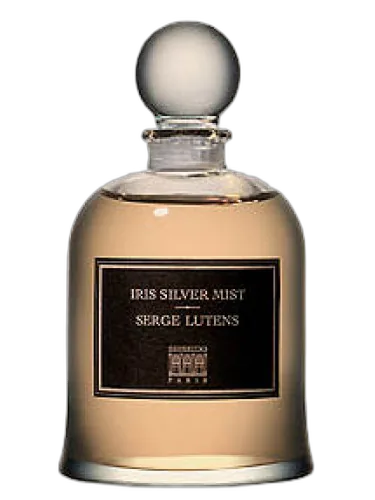
Serge Lutens
Iris Silver Mist Serge Lutens
Shared top notes: galbanum, musk, sandalwood
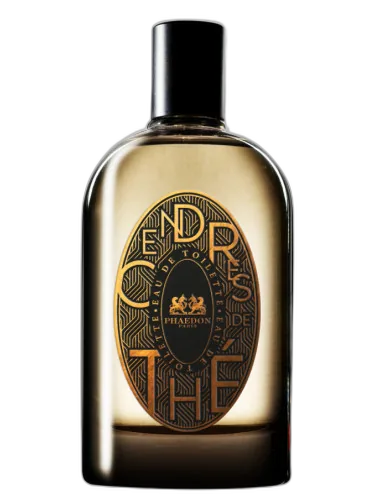
Phaedon
Cendres De The Phaedon
Shared top notes: cardamom, musk, myrrh
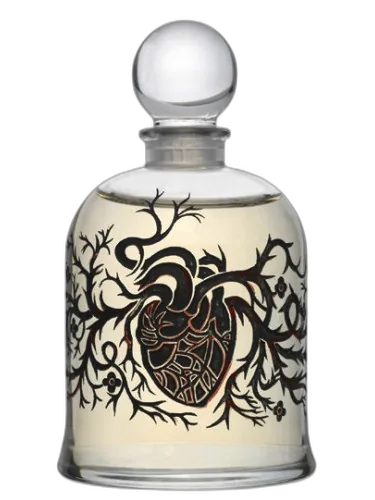
Serge Lutens
Iris Silver Mist Edition Limitée 2004 Serge Lutens
Shared top notes: galbanum, musk, sandalwood
Neil Morris
Cathedral Neil Morris
Shared top notes: black pepper
Skylar
Willow Skylar
Shared top notes: galbanum