


Viaggio Almah Parfums 1948
At a glance
Is Viaggio Almah Parfums 1948 worth trying?
Viaggio by Almah Parfums 1948 is a fragrance for women.
- Best match
- Evening wear in Fall
- Performance feel
- Good longevity with Moderate sillage
- Signature profile
- aromatic, powdery, fruity with Talc, Orange Blossom, Black Currant
The first impression
Viaggio by Almah Parfums 1948 is a fragrance for women. Viaggio was launched in 2019. The nose behind this fragrance is Jordi Magrans. Top notes are Talc and Orange Blossom; middle notes are Black Currant, Sage and Vanilla; base notes are Vetiver and Oakmoss.
What shapes the scent
The perfumer behind it

Jordi Magrans
Jordi Magrans created eight fragrances for Almah Parfums 1948, such as Bella Sicilia, Borneus, Camden Stories, Green Crowne, Halong Heaven, Infinite Love, Itinerantur, and Ivvavik. His perfumes often draw from global inspirations, blending traditional and modern techniques. The collection showcases his ability to craft complex, narrative-driven scents.
Notes pyramid
Top Notes
First impression · 15-30 min
 Talc
Talc
 Orange Blossom
Heart Notes
Core character · 2-4 hours
 Black Currant
 Sage
Sage
 Vanilla
Base Notes
Lasting impression · 4+ hours
 Vetiver
 Oakmoss
The mood it creates
The Wanderer Archetype: Portrait of Viaggio Almah Parfums 1948
Essence
This person is, above all, an Explorer-a soul driven by curiosity, movement, and the intoxicating allure of the unknown. The fragrance Viaggio Almah Parfums 1948, with its blend of warm spices, smoky woods, and a whisper of amber, mirrors their essence: a traveler between worlds, both physical and metaphysical. They are not content with stagnation; they seek the thrill of discovery, whether through distant landscapes, intellectual pursuits, or the hidden depths of human connection.
Yet, like all archetypes, the Explorer has a shadow. Their restlessness can become a form of evasion, their love for novelty a refusal to commit. They may romanticize the journey so deeply that they forget the value of staying-of roots, of stillness.
Relationships
In love and friendship, they are magnetic but elusive. They attract others with their stories, their ease in unfamiliar settings, their ability to make even a fleeting encounter feel profound. But their relationships are often marked by temporary intensity-deep connections that burn brightly before fading as they move on.
They do not fear commitment out of coldness, but out of a terror of confinement. They love fiercely, but on their own terms. Their shadow here is a reluctance to be truly known-to let someone else map the uncharted territories of their soul.
Shadow
Their greatest strength-their boundless curiosity-can become their undoing. When the thrill of the new fades, they grow restless, mistaking discomfort for growth. They may cycle through careers, passions, lovers, always chasing the next horizon, never pausing to ask why they run.
At their worst, they become the Eternal Tourist, skimming the surface of life without ever diving deep. They mistake movement for progress, novelty for wisdom. But when balanced, they embody the true spirit of the Explorer: not one who flees, but one who seeks-with purpose, with reverence, with the understanding that the greatest journey is the one that leads back to oneself.
Conclusion
Their tastes are eclectic, refined yet never predictable. They prefer the worn leather of a well-traveled journal to the sterile gloss of a new one. Their wardrobe is a tapestry of textures-linen that has breathed under foreign suns, wool scarves that remember alpine winds, boots that have traced cobblestone streets from Lisbon to Kyoto. They collect not things, but sensations: the scent of a spice market at dusk, the taste of bitter coffee in a dimly lit café, the sound of a language they don’t yet understand.
Philosophically, they reject dogma. They believe truth is found in movement, in the friction between cultures and ideas. They are drawn to thinkers like Nietzsche and Camus-not because they seek answers, but because they appreciate the questions. Their values are fluid, shaped by experience rather than tradition. They prize freedom above all, but sometimes mistake it for detachment.
If you like this, try these
Fragrances with a comparable profile - shared accords, notes, and character.
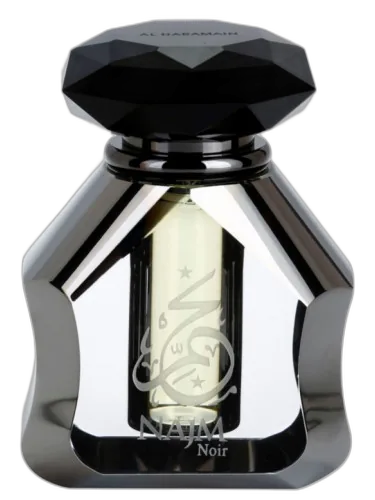
Al Haramain Perfumes
Najm Noir Al Haramain Perfumes
Shared top notes: orange blossom
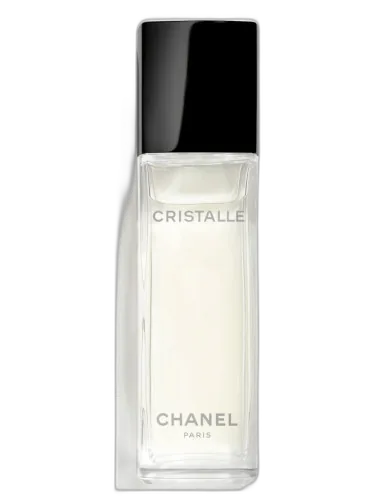
Chanel
Cristalle Eau De Toilette Chanel
Shared base notes: oakmoss, vetiver
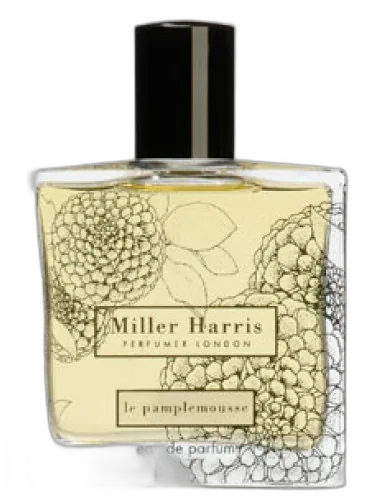
Miller Harris
Le Pamplemousse Miller Harris
Shared heart notes: sage
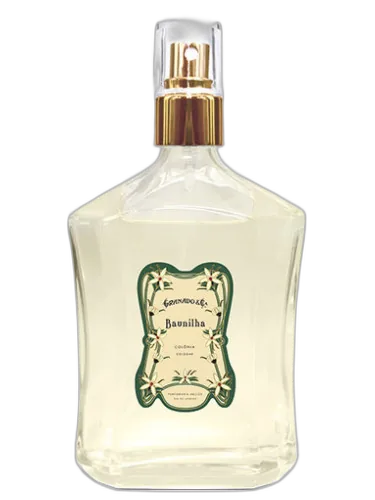
Granado
Baunilha Granado
Shared base notes: oakmoss, vetiver
Jardins d’Ecrivains
Wilde Jardins D’ecrivains
Shared base notes: oakmoss, vetiver