
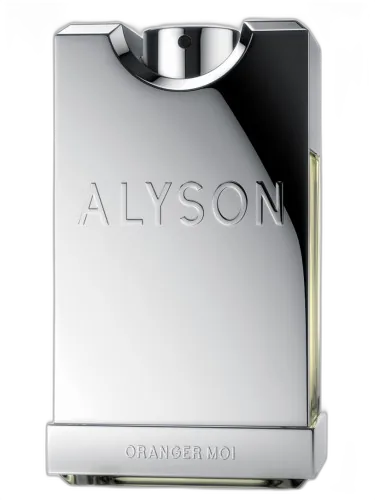

Oranger Moi Alysonoldoini
At a glance
Is Oranger Moi Alysonoldoini worth trying?
Oranger Moi by ALYSONOLDOINI is a Oriental Floral fragrance for women.
- Best match
- Evening wear in Fall, Winter
- Performance feel
- Good longevity with Moderate sillage
- Signature profile
- citrus, white floral, warm spicy with Calabrian Mandarin, Ginger, Sicilian Bergamot
The first impression
Oranger Moi by ALYSONOLDOINI is a Oriental Floral fragrance for women. Oranger Moi was launched in 2013. The nose behind this fragrance is Benoist Lapouza. Top notes are Calabrian Mandarin, Ginger, Sicilian Bergamot and Cassis; middle notes are Orange Blossom, Narcissus, Carnation and Cinnamon; base notes are Musk, Sandalwood, Tonka Bean and Vanilla.
What shapes the scent
The perfumer behind it

Benoist Lapouza
Benoist Lapouza has contributed to the ALYSONOLDOINI collection, crafting fragrances such as Black Violet, Crystal Oud, Cuir D'encens, Marine Vodka, Marsiglia Musk, Oranger Moi, Rhum D'hiver, and Rose Profond. His work spans a variety of olfactory families, from rich leathers and ouds to fresh marine and citrus notes. Lapouza's style is characterized by a refined balance of traditional and contemporary influences.
Notes pyramid
Top Notes
First impression · 15-30 min
 Calabrian Mandarin
 Ginger
Sicilian Bergamot
Cassis
Ginger
Sicilian Bergamot
Cassis
Heart Notes
Core character · 2-4 hours
 Orange Blossom
 Narcissus
 Carnation
 Cinnamon
Base Notes
Lasting impression · 4+ hours
 Musk
Musk
 Sandalwood
 Tonka Bean
 Vanilla
The mood it creates
The Lover Archetype: Portrait of Oranger Moi Alysonoldoini
Essence
The one who cherishes Oranger Moi is most closely aligned with The Lover archetype-a soul intoxicated by beauty, sensuality, and the fleeting ecstasies of life. This is not mere romanticism, but a philosophy of immersion, where pleasure and meaning intertwine like the citrus and spice of their chosen scent. The Lover does not merely wear fragrance; they embody it, allowing it to shape their interactions, their spaces, even their silences.
Yet, like all archetypes, The Lover has a shadow-an undercurrent of indulgence, a susceptibility to melancholy when beauty fades, and a tendency to mistake intensity for depth.
Relationships
They do not love lightly, nor do they love without consequence. Their relationships are intense, marked by deep emotional exchanges, lingering glances, and a near-mystical belief in connection. They are the kind of person who remembers the exact shade of a lover’s eyes in candlelight, who saves handwritten letters in a cedar box, who believes-sometimes foolishly-in the transformative power of passion.
Yet this very intensity can be their undoing. They risk losing themselves in others, mistaking infatuation for transcendence. Their shadow whispers that love must always burn bright, leaving them restless when the fire dims to embers.
Shadow
The Lover’s greatest weakness is their refusal of impermanence. They cling to moments, to people, to sensations, as if they could be preserved like petals pressed between pages. When life fails to meet their aesthetic ideals-when love cools, when the orange blossom fades-they are prone to a quiet, brooding sorrow.
At their worst, they may become decadent, seeking ever-greater thrills to stave off emptiness. Or worse, they may grow cynical, dismissing what they once adored as mere illusion.
Conclusion
Their world is one of deliberate aestheticism. They favor warm, sun-drenched spaces-rooms with terracotta tiles, linen drapes that flutter in the breeze, shelves lined with well-worn books of poetry and philosophy. Their wardrobe leans toward flowing fabrics, earthy tones, and textures that invite touch. They are drawn to art that celebrates the body, the land, the ephemeral-Caravaggio’s chiaroscuro, Rilke’s verses, the slow burn of a Spanish guitar.
Their philosophy is one of presence: to feel is to exist fully. They reject asceticism, seeing it as a denial of life’s richness, yet they are not mere hedonists. For them, pleasure is a form of wisdom, a way to commune with the sublime.
If you like this, try these
Fragrances with a comparable profile - shared accords, notes, and character.
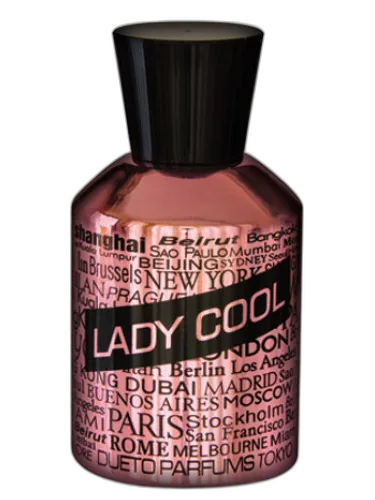
Dueto Parfums
Lady Cool Dueto Parfums
Shared heart notes: orange blossom
Valentino
Voce Viva Valentino
Shared top notes: ginger
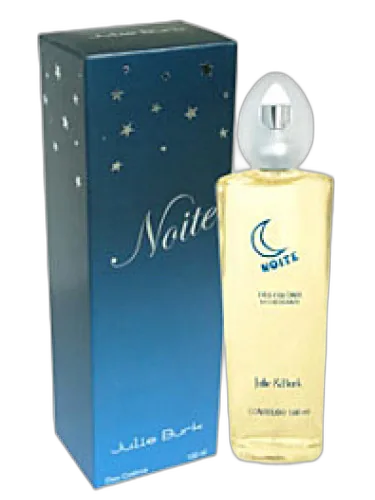
Julie Burk Perfumes
Noite Julie Burk Perfumes
Shared heart notes: carnation, orange blossom

O Boticário
Matcha O Boticário
Shared base notes: musk, sandalwood, tonka bean
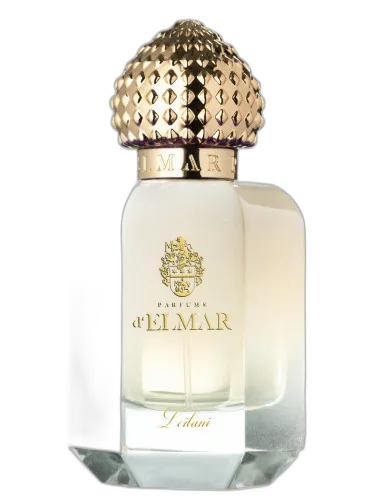
Parfums d'Elmar
Leilani Parfums D'elmar
Shared base notes: musk, sandalwood, tonka bean