
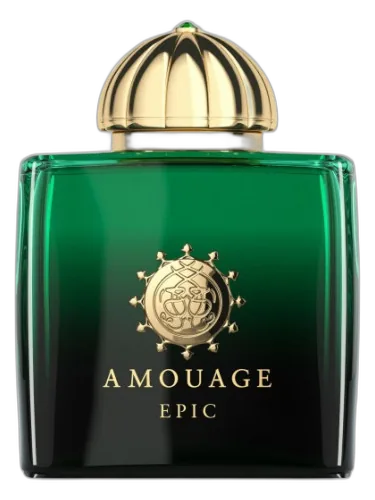

Epic Woman Amouage
At a glance
Is Epic Woman Amouage worth trying?
Epic Woman by Amouage is a Oriental Floral fragrance for women.
- Best match
- Evening wear in Fall
- Performance feel
- Excellent longevity with Strong sillage
- Signature profile
- fresh spicy, rose, woody with Caraway, Cinnamon, Pink Nerium Oleander
The first impression
Epic Woman by Amouage is a Oriental Floral fragrance for women. Epic Woman was launched in 2009. Epic Woman was created by Cécile Zarokian, Daniel Maurel and Angéline Leporini. Top notes are Caraway, Cinnamon and Pink Nerium Oleander; middle notes are Damask Rose, Tea, Geranium and Jasmine; base notes are Agarwood (Oud), Olibanum, Patchouli, Amber, Sandalowood, Guaiac Wood, Vanilla, Orris Root and Musk.
What shapes the scent
The perfumer behind it

Angéline Leporini
Angéline Leporini is a French perfumer known for her work with major houses like Amouage and Ajmal. Her style balances fresh, citrusy accords with deeper woody and oriental notes, as seen in 4711 Acqua Colonia Yuzu & Cedarwood and Epic Woman. She also creates complex, opulent compositions such as Qasida Dahabia and the green, modern twist of 4711 Remix Green Oasis.
Notes pyramid
Top Notes
First impression · 15-30 min
 Caraway
 Cinnamon
 Pink Nerium Oleander
Heart Notes
Core character · 2-4 hours
Damask Rose
 Tea
Tea
 Geranium
 Jasmine
Base Notes
Lasting impression · 4+ hours
 Agarwood (Oud)
Olibanum
Agarwood (Oud)
Olibanum
 Patchouli
 Amber
Sandalowood
Amber
Sandalowood
 Guaiac Wood
 Vanilla
 Orris Root
 Musk
Musk
The mood it creates
The Sovereign Archetype: Portrait of Epic Woman Amouage
Essence
The one who chooses Epic Woman by Amouage is not merely drawn to a fragrance-they are summoned by it. This is a scent of regal complexity, a composition of frankincense, rose, and myrrh, woven into something that speaks of ancient power and modern refinement. The wearer is, above all, a Sovereign-an archetype that embodies authority, dignity, and the unshakable belief in one’s own destiny.
Like the queens and empresses of myth, they move through life with a quiet command, neither seeking permission nor offering apologies for their presence. Their strength is not in dominance but in the certainty of their vision. They do not rule through force but through an innate magnetism, an unspoken understanding that they are meant to lead, to inspire, to shape the world around them.
Yet sovereignty is a double-edged sword. The same qualities that make them formidable-their self-assurance, their unwavering standards-can harden into rigidity, a refusal to bend. The shadow of the Sovereign is the tyrant, the one who mistakes control for wisdom, who forgets that true power lies in adaptability as much as in strength.
Relationships
To be close to them is to be chosen. They do not surround themselves with many, but those they keep are held in high esteem. Their friendships are deep, enduring, built on mutual respect rather than need. They are not the type to seek constant reassurance; their affection is shown in acts, in loyalty, in the unspoken understanding that they will stand by those they value.
Romantically, they are drawn to equals-partners who do not diminish their light but reflect it. They will not chase, will not plead, will not settle. Their love is fierce but not possessive; they expect the same independence they themselves uphold. Yet here, too, lies their shadow: their pride can become a fortress, their high standards a barrier to vulnerability. They may mistake solitude for strength, forgetting that even the most sovereign of rulers must sometimes kneel-if only to rise again.
Shadow
The Sovereign’s greatest weakness is their reluctance to yield. They may mistake compromise for defeat, flexibility for frailty. There are moments when their certainty becomes dogma, when their vision blinds them to other truths. They may grow impatient with those who do not share their resolve, dismissing hesitation as weakness rather than wisdom.
And then there is loneliness. To stand apart is to be seen, admired, but not always understood. They may find themselves envied more than loved, their authority respected but their humanity overlooked. The challenge for them is to remember that true sovereignty is not in ruling alone but in knowing when to step down from the throne-to listen, to learn, to be human.
Conclusion
Their tastes are not merely preferences but declarations. They are drawn to the timeless-architecture with weight, literature with depth, art that demands contemplation. Their home is not cluttered but curated, each object chosen for its significance, its beauty, its ability to endure. They wear clothes that speak before they do: tailored, textured, with a hint of the ceremonial. Silk, wool, and leather are their allies, not for ostentation but for the silent authority they convey.
In philosophy, they are neither optimists nor pessimists but realists with a touch of grandeur. They believe in the possibility of excellence, in the idea that life should be lived with intention. They have little patience for carelessness, for half-measures, for the trivial. Their values are rooted in integrity, in the belief that one’s word should be as unbreakable as stone.
If you like this, try these
Fragrances with a comparable profile - shared accords, notes, and character.
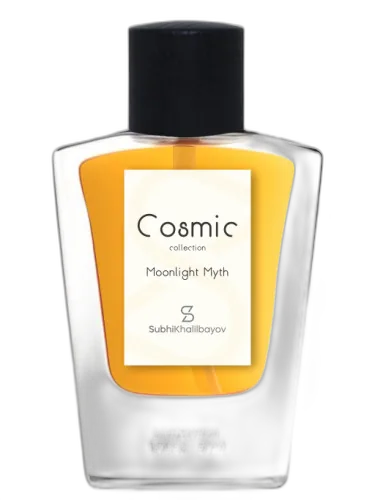
Subhi Khalilbayov
Moonlight Myth Subhi Khalilbayov
Shared heart notes: damask rose, jasmine, tea
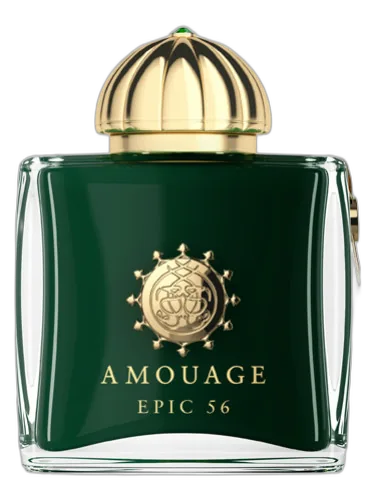
Amouage
Epic 56 Woman Amouage
Shared top notes: cinnamon
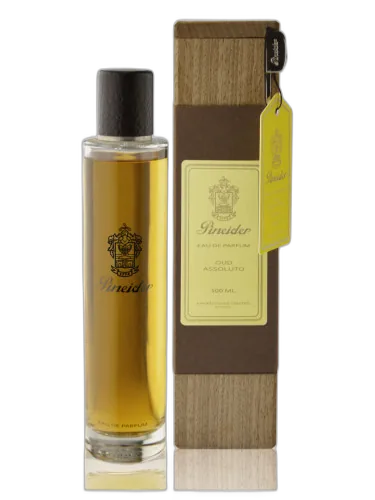
Pineider
Oud Assoluto Pineider
Shared top notes: cinnamon
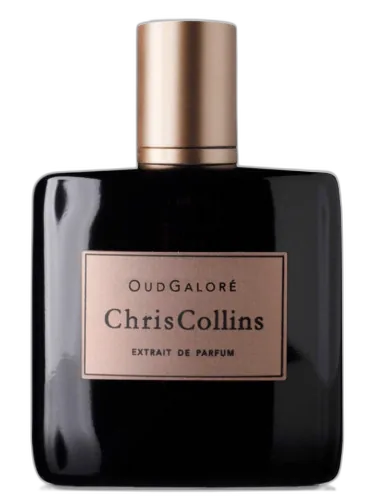
Chris Collins
Oud Galoré Chris Collins
Shared top notes: cinnamon
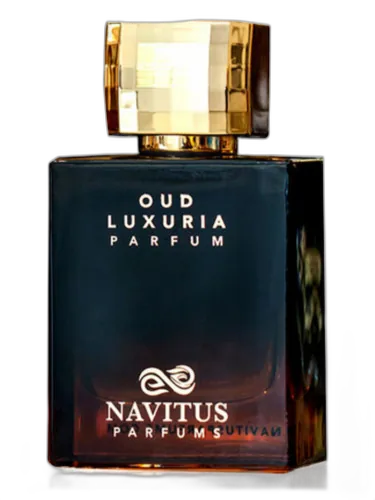
Navitus Parfums
Oud Luxuria Navitus Parfums
Shared top notes: cinnamon