
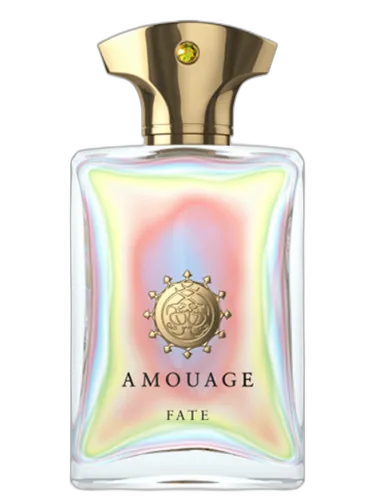

Fate Man Amouage
At a glance
Is Fate Man Amouage worth trying?
Fate Man by Amouage is a Oriental Spicy fragrance for men.
- Best match
- Evening wear in Fall
- Performance feel
- Excellent longevity with Strong sillage
- Signature profile
- amber, fresh spicy, warm spicy with Cumin, Saffron, Wormwood
The first impression
Fate Man by Amouage is a Oriental Spicy fragrance for men. Fate Man was launched in 2013. The nose behind this fragrance is Karine Vinchon Spehner. Top notes are Cumin, Saffron, Wormwood, Ginger and Mandarin Orange; middle notes are Immortelle, Incense, Copahu Balm, Olibanum, Labdanum and Rose; base notes are Licorice, Labdanum, Sandalwood, Cedar, Musk and Tonka Bean.
What shapes the scent
The perfumer behind it

Karine Vinchon Spehner
Karine Vinchon Spehner is a French perfumer known for her work with brands like 100 Bon and Amouage. She created a range of accessible, nature-inspired fragrances for 100 Bon, including Bois & Poudre and Soleil & Ambre. For Amouage, she contributed to complex compositions such as Boundless and Interlude Woman, showcasing her versatility across different olfactory styles.
Notes pyramid
Top Notes
First impression · 15-30 min
 Cumin
Cumin
 Saffron
 Wormwood
 Ginger
 Mandarin Orange
Heart Notes
Core character · 2-4 hours
 Immortelle
 Incense
 Copahu Balm
 Olibanum
 Labdanum
 Rose
Rose
Base Notes
Lasting impression · 4+ hours
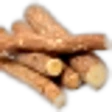 Licorice
Labdanum
Licorice
Labdanum
 Sandalwood
 Cedar
Cedar
 Musk
Musk
 Tonka Bean
The mood it creates
The Lover Archetype: Portrait of Fate Man Amouage
Essence
The man who wears Fate Man by Amouage is not merely a man-he is an alchemist of experience, a conjurer of meaning. His essence aligns most closely with the Magician archetype, the one who transforms reality through will and perception. Like the scent itself-opulent, smoky, resinous-he exists in a space between the sacred and the sensual, between the ephemeral and the eternal. He does not merely live; he orchestrates.
Yet, the Magician is not without his shadow. Where there is power, there is the temptation of manipulation. Where there is depth, there is the risk of detachment. He walks a fine line between wisdom and arrogance, between enchantment and illusion.
Style & Aesthetic
His appearance is neither loud nor understated-it is intentional. He favors textures that suggest depth: aged leather, raw silk, wool that carries the weight of craftsmanship. His wardrobe is a curated archive of timeless pieces, each chosen for its ability to tell a story.
The scent of Fate Man-dark, incense-laden, with whispers of leather and spice-is his invisible signature. It is not a fragrance for the indifferent. It announces him before he enters a room, lingering after he leaves, like the memory of an unresolved thought.
Philosophy & Values
To him, existence is not a series of accidents but a grand design-one he shapes with deliberation. He does not believe in mere chance; he believes in Fate, but a fate that bends to the will of those who dare to claim it. His worldview is one of paradox: he is both fatalistic and fiercely self-determined.
He is drawn to the esoteric, the mystical, the layered. Philosophy, mythology, and the occult are not mere interests but lenses through which he interprets the world. He speaks in metaphors, sees symbols in the mundane, and finds meaning in the interplay of light and shadow.
Relationships
He is magnetic, but not in the way of the extroverted showman. His allure is quieter, more insidious. People are drawn to him because he seems to know something they do not-some secret about life, about themselves. He listens with an intensity that makes others feel seen, yet he remains just out of reach.
Romance, for him, is a dance of revelation and concealment. He loves deeply but on his own terms, and his partners often find themselves intoxicated by his depth yet frustrated by his elusiveness. He is not cruel, but he is guarded-a man who offers glimpses, never the full picture.
Shadow
The Magician’s greatest strength is also his weakness: his ability to shape perception. He can become so adept at crafting his reality that he loses touch with the raw, unfiltered truth of things. His introspection can spiral into solipsism; his wisdom can harden into dogma.
There is a danger, too, in his detachment. He observes life as if from a distance, analyzing rather than fully experiencing. In his quest for meaning, he may forget how to simply be. And when his illusions shatter-when fate refuses to bend-he risks disillusionment, a fall from his self-made throne.
Conclusion
The man who wears Fate Man is neither wholly light nor shadow. He is both the architect and the wanderer, the sage and the seeker. His life is a work of art, but art is only meaningful when shared. The true test of his magic lies not in control, but in the courage to sometimes release it-to let fate, in its infinite mystery, have the final word.
If you like this, try these
Fragrances with a comparable profile - shared accords, notes, and character.
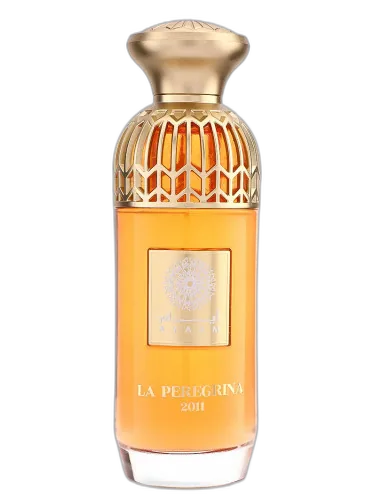
Ayaam Perfumes
La Peregina 2011 Ayaam Perfumes
Shared top notes: saffron
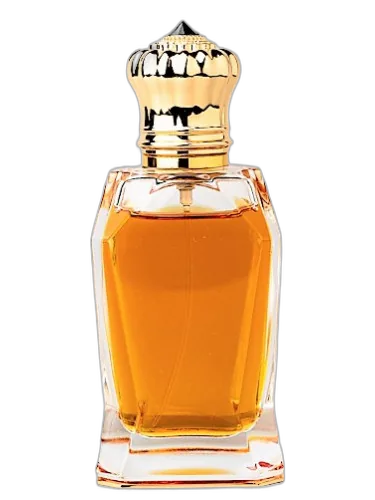
Wallachian Perfumes
Antidote Wallachian Perfumes
Shared top notes: ginger, saffron
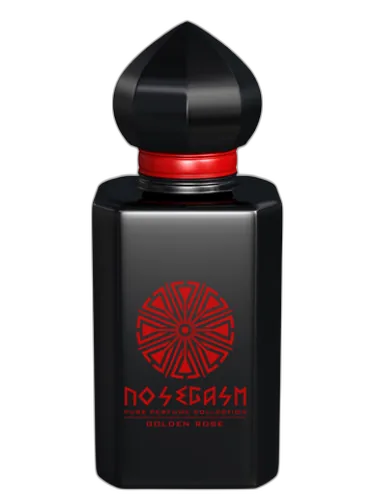
Nosegasm
Golden Rose Nosegasm
Shared top notes: saffron
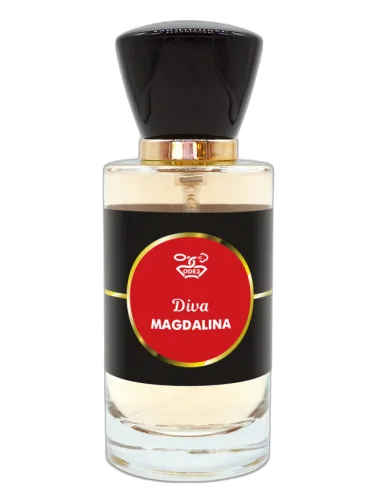
Odetu
Diva Magdalina Odetu
Shared top notes: ginger
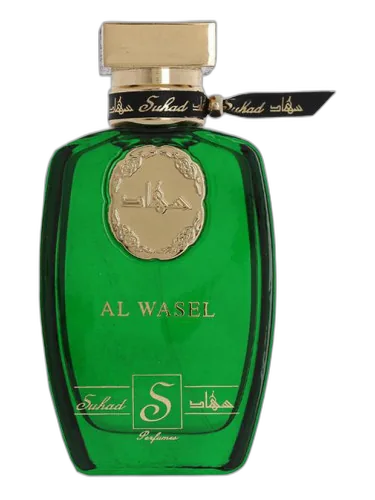
Suhad Perfumes
Al Wasel Suhad Perfumes
Shared top notes: cumin, ginger, saffron