
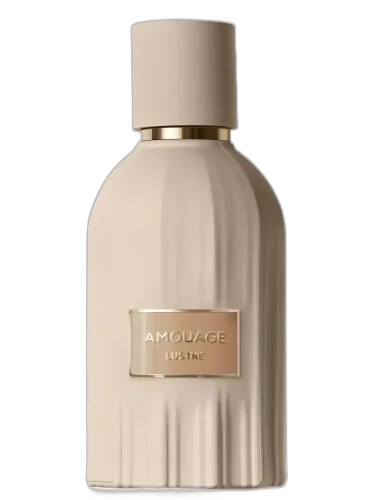

Lustre Amouage
At a glance
Is Lustre Amouage worth trying?
Lustre by Amouage is a Woody Floral Musk fragrance for women and men.
- Best match
- Evening wear in Fall
- Performance feel
- Excellent longevity with Strong sillage
- Signature profile
- amber, woody, warm spicy with Cardamom, Orris, Sandalwood
The first impression
Lustre by Amouage is a Woody Floral Musk fragrance for women and men. This is a new fragrance. Lustre was launched in 2024. Lustre was created by Julien Rasquinet and Paul Guerlain. Top notes are Cardamom and Orris; middle notes are Sandalwood, Cedarwood and Patchouli; base notes are Myrrh, Ambrarome, Cypriol, Labdanum, Vanilla, Benzoin, Tonka Bean and Styrax.
What shapes the scent
The perfumer behind it

Julien Rasquinet
Julien Rasquinet is a perfumer who has created fragrances for 4711, Aether, Al-Jazeera Perfumes, and Amouage. His portfolio includes Majestic Leather, Solaer, Sugaer, Æther X Lgn, Marrakech, Tobacco, Enclave, and Incense Rori. Rasquinet is known for his work across both accessible and luxury niches, often blending leather, incense, and aromatic notes.
Notes pyramid
Top Notes
First impression · 15-30 min
 Cardamom
 Orris
Orris
Heart Notes
Core character · 2-4 hours
 Sandalwood
Cedarwood
Sandalwood
Cedarwood
 Patchouli
Base Notes
Lasting impression · 4+ hours
 Myrrh
Myrrh
 Ambrarome
Cypriol
Ambrarome
Cypriol
 Labdanum
 Vanilla
 Benzoin
 Tonka Bean
 Styrax
The mood it creates
The Sovereign Archetype: Portrait of Lustre Amouage
Essence
To wear Lustre by Amouage is to drape oneself in the golden light of sovereignty-a fragrance that balances opulence with restraint, warmth with mystery. The person who chooses this scent is no mere follower of trends; they are drawn to the interplay of luminosity and depth, much like the archetype that defines them: The Sovereign.
Shadow
Yet, like all archetypes, the Sovereign has their darkness. Their discernment can curdle into elitism; their self-assurance into inflexibility. They may dismiss too quickly what does not meet their standards, mistaking personal taste for objective truth. Their restraint can become emotional detachment, leaving others feeling shut out, unable to penetrate the polished exterior.
There is also the danger of isolation. The Sovereign’s self-sufficiency, while admirable, can harden into solitude. They may forget that even the most self-possessed among us need vulnerability, that the refusal to lean on others is not always strength-sometimes, it is fear in disguise.
And then there is pride. The Sovereign’s greatest virtue is also their greatest peril. When unchecked, their confidence becomes hubris, their authority turns domineering. They may mistake their own perspective for infallibility, refusing to bend even when bending would serve them better.
Conclusion
The Sovereign is not merely a ruler in the literal sense, but a person who carries themselves with an innate sense of authority-not through dominance, but through presence. They do not demand attention; they command it effortlessly. Their philosophy is one of refined self-possession: they believe in the power of discernment, in the cultivation of beauty, and in the quiet assertion of their will.
Their tastes are deliberate. They favor understated luxury-cashmere that whispers rather than shouts, tailored silhouettes that suggest strength without rigidity, jewelry that catches the light only when they move. They are drawn to art that rewards patience: the slow unfurling of a Rothko, the layered symbolism of a Renaissance portrait, the restrained tension of a Bergman film.
In relationships, they are neither aloof nor overly effusive. They value depth over quantity, seeking companions who understand the weight of silence as much as the pleasure of conversation. Their love is not given freely; it is earned, and once bestowed, it is steadfast. Yet, they are not cold-merely deliberate. Their affection is expressed in acts of thoughtfulness: a perfectly chosen book, a reserved but meaningful touch, a glance that conveys more than words ever could.
If you like this, try these
Fragrances with a comparable profile - shared accords, notes, and character.
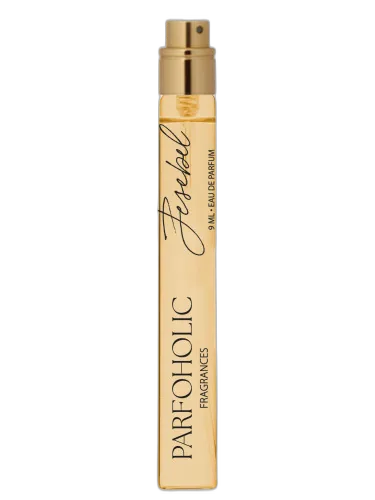
Parfoholic
Jesebel Parfoholic
Shared top notes: cardamom
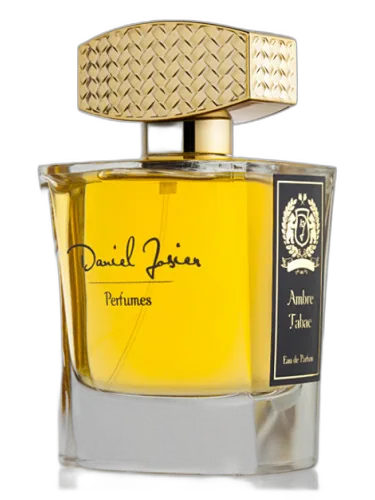
Daniel Josier
Ambre Tabac Daniel Josier
Shared heart notes: patchouli, sandalwood
Next Generation
Woody Soul Next Generation
Shared top notes: cardamom
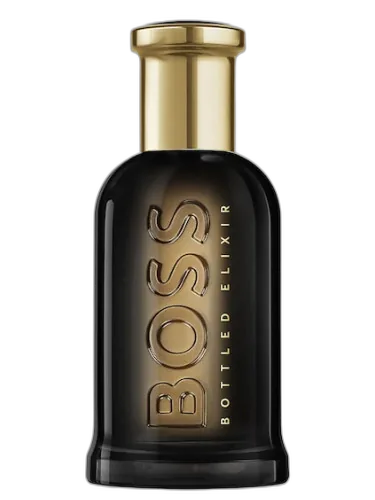
Hugo Boss
Boss Bottled Elixir Hugo Boss
Shared top notes: cardamom
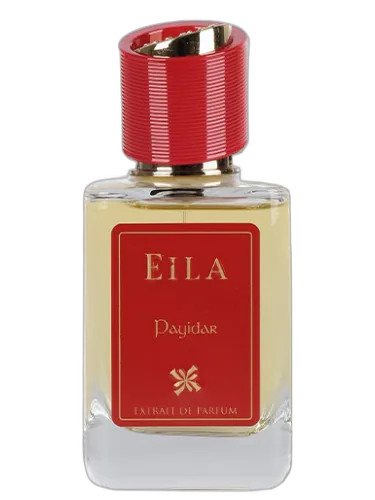
Eila
Payidar Eila
Shared heart notes: cedarwood, patchouli, sandalwood