
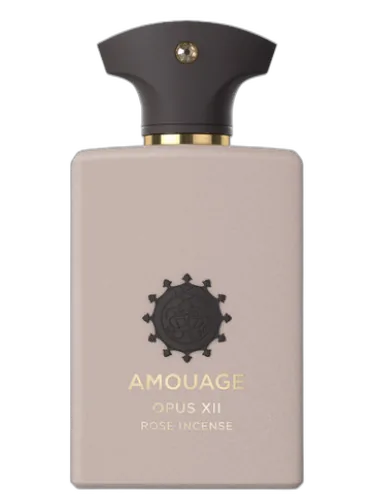

Opus Xii – Rose Incense Amouage
At a glance
Is Opus Xii – Rose Incense Amouage worth trying?
Opus XII - Rose Incense by Amouage is a Oriental Floral fragrance for women and men.
- Best match
- Evening, Special Occasion wear in Fall, Winter
- Performance feel
- Very Good longevity with Strong sillage
- Signature profile
- amber, rose, aromatic with Olibanum, Ink, elemi
The first impression
Opus XII - Rose Incense by Amouage is a Oriental Floral fragrance for women and men. Opus XII - Rose Incense was launched in 2019. The nose behind this fragrance is Bruno Jovanovic. Top notes are Olibanum, Ink and elemi; middle notes are Damask Rose and Olibanum; base notes are Myrrh, Sandalwood, Vanilla and Cedar.
What shapes the scent
The perfumer behind it

Bruno Jovanovic
Bruno Jovanovic is a versatile perfumer whose work spans multiple brands, including A Lab on Fire, Abercrombie & Fitch, Al-Jazeera Perfumes, Amouage, Avon, and Awshal. His catalog features Almost Transparent Blue, Fierce, 380, Moscow, Opus Xii - Rose Incense, The Library Collection Rose Incense, Crystal Aura, and Perles De Myrrhe. Jovanovic's compositions range from fresh and sporty to rich and incense-laden, demonstrating his broad expertise.
Notes pyramid
Top Notes
First impression · 15-30 min
 Olibanum
 Ink
elemi
Ink
elemi
Heart Notes
Core character · 2-4 hours
Damask Rose
Olibanum
Base Notes
Lasting impression · 4+ hours
 Myrrh
Myrrh
 Sandalwood
 Vanilla
 Cedar
Cedar
The mood it creates
The Mystic Archetype: Portrait of Opus Xii - Rose Incense Amouage
Essence
This person is most closely aligned with the Sage, the seeker of hidden truths, the one who peers beyond the veil of the mundane. The fragrance they adore-Opus XII, with its interplay of rose and incense-mirrors their essence: a soul drawn to the sacred and the sensual, the ephemeral and the eternal. The rose, symbol of love and transience, meets the incense, emblem of devotion and the divine. This duality defines them-they are both mystic and aesthete, philosopher and poet.
Yet, the Sage is not merely a passive observer. They are driven by an insatiable curiosity, a need to understand rather than merely experience. They do not simply wear fragrance; they study it, dissect its layers, and seek the meaning behind its composition. Their choice of scent is deliberate, an olfactory manifesto of their inner world.
Style & Aesthetic
Their appearance is an extension of their philosophy-refined, intentional, with a touch of the ceremonial. They favor fabrics that whisper rather than shout: cashmere, silk, fine wool. Their palette leans toward deep hues-burgundy, charcoal, midnight blue-colors that suggest hidden depths.
Jewelry, if they wear any, is symbolic: a ring with an obscure sigil, a pendant that hints at an ancient tradition. Their home is a sanctuary of curated objects-antique books, incense burners, a single perfect orchid in a black vase. Every item is chosen not for trend but for resonance, as if each object were part of a silent ritual.
Yet, this meticulousness can tip into fastidiousness. Their disdain for the vulgar or garish may harden into elitism. They risk becoming the connoisseur who admires the wine but forgets the joy of drinking it.
They thrive in environments that balance solitude and stimulation-a quiet apartment in a vibrant city, a countryside retreat within reach of a library. They may work in academia, the arts, or a field that allows for deep focus: a historian, a perfumer, a therapist. Routine is sacred to them, but not rigidity; their days are structured yet open to moments of revelation.
Travel, for them, is pilgrimage. They do not seek beaches but ruins, not souvenirs but relics. A trip to Kyoto is not about cherry blossoms but about sitting in a Zen garden at dawn, feeling time dissolve.
But the Sage’s shadow here is isolation. They may mistake solitude for superiority, withdrawing into their ivory tower until the world below seems too crude to engage with. The challenge is to descend, to let life be messy, to accept that not all wisdom comes from books.
Philosophy & Values
For this person, life is a labyrinth of symbols waiting to be deciphered. They are drawn to esoteric traditions, philosophy, and art that challenge the obvious. Their bookshelf holds works by Jung, Nietzsche, and Rumi-thinkers who straddle the line between intellect and mysticism. They do not believe in easy answers; truth, to them, is a shifting constellation, best glimpsed in fragments.
They value depth over dogma, intuition over rigid logic. Their spirituality, if they claim any, is personal-perhaps a blend of Eastern contemplative practices and Western existential inquiry. They meditate, but not for peace; they seek clarity, the kind that comes from staring into the abyss without flinching.
Yet, their relentless pursuit of meaning can become a prison. The Sage’s shadow is detachment-an over-intellectualization of life that keeps them at arm’s length from raw, unfiltered experience. They may analyze love rather than surrender to it, dissect beauty rather than simply feel it.
Relationships
They do not give their affection lightly. Their friendships are few but profound, built on shared intellectual passions and mutual respect for solitude. Romantic partners must be their equal-not in knowledge, but in curiosity. They are drawn to those who can match their intensity, who understand that silence between them is not emptiness but a form of communion.
Yet, their emotional reserve can be their undoing. They may retreat into their mind when confronted with vulnerability, rationalizing feelings rather than expressing them. Their partners may long for warmth beneath the wisdom, for a hand that reaches out without first calculating the gesture’s meaning.
Conclusion
Opus XII-rose and incense-is their soul in liquid form. The rose, lush yet fleeting, speaks to their capacity for passion, their appreciation of beauty’s impermanence. The incense, solemn and eternal, reflects their hunger for the transcendent. Together, they create a scent that is neither purely romantic nor austerely spiritual, but something in between-a fragrance for those who dwell in the liminal spaces.
They wear it not to be noticed, but to remember-to carry with them a reminder that life is both sacred and sensual, that wisdom and wonder are not opposites but companions.
If you like this, try these
Fragrances with a comparable profile - shared accords, notes, and character.
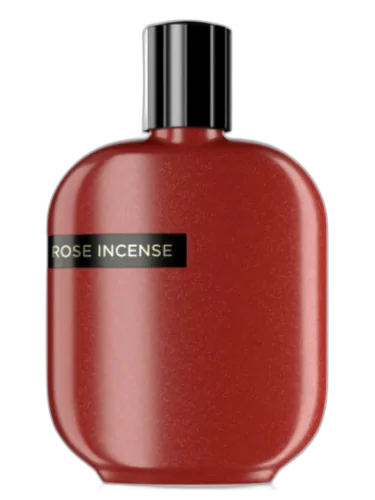
Amouage
The Library Collection Rose Incense Amouage
Shared top notes: elemi, ink, olibanum
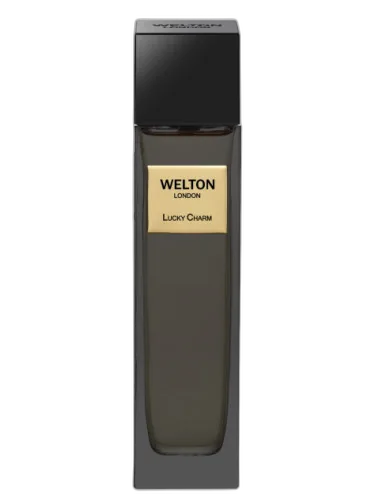
Welton London
Lucky Charm Extrait De Parfum Welton London
Shared top notes: elemi, olibanum
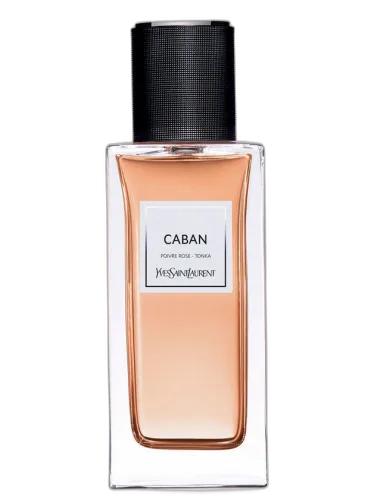
Yves Saint Laurent
Caban Yves Saint Laurent
Shared top notes: elemi
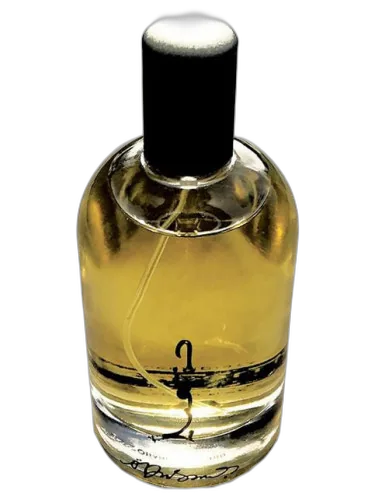
Olivier Durbano
Aram Olivier Durbano
Shared top notes: olibanum
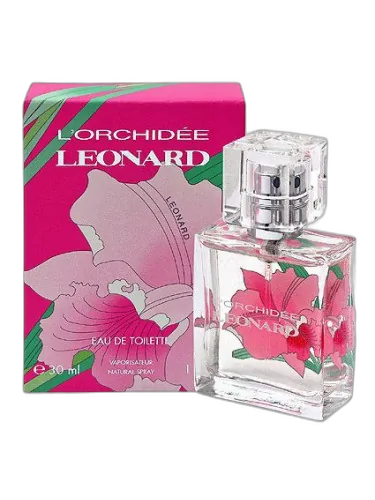
Leonard
L'orchidée Leonard
Shared base notes: cedar, sandalwood, vanilla