
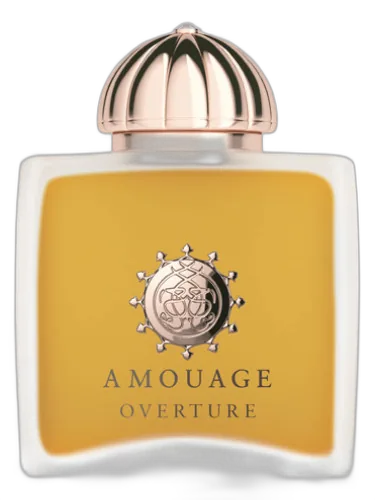

Overture Woman Amouage
At a glance
Is Overture Woman Amouage worth trying?
Overture Woman by Amouage is a Oriental Woody fragrance for women.
- Best match
- Evening wear in Fall
- Performance feel
- Excellent longevity with Strong sillage
- Signature profile
- warm spicy, amber, leather with Brandy, Apple, Saffron
The first impression
Overture Woman by Amouage is a Oriental Woody fragrance for women. Overture Woman was launched in 2020. The nose behind this fragrance is Annick Menardo. Top notes are Brandy, Apple, Saffron and Bergamot; middle notes are Benzoin, Myrhh, Cinnamon, May Rose and Geranium; base notes are Leather, Olibanum and Labdanum.
What shapes the scent
The perfumer behind it

Annick Menardo
Annick Menardo is a French perfumer known for her work at Firmenich and her bold, modern compositions. She often blends gourmand, woody, and leathery accords, creating fragrances that are both striking and wearable. Her portfolio includes the rich, smoky Figment Man for Amouage and the sophisticated, floral-amber Portrayal Woman, as well as the iconic Azzaro Visit.
Notes pyramid
Top Notes
First impression · 15-30 min
 Brandy
 Apple
Apple
 Saffron
 Bergamot
Heart Notes
Core character · 2-4 hours
 Benzoin
Myrhh
Benzoin
Myrhh
 Cinnamon
May Rose
Cinnamon
May Rose
 Geranium
Base Notes
Lasting impression · 4+ hours
 Leather
Olibanum
Leather
Olibanum
 Labdanum
The mood it creates
The Sovereign Archetype: Portrait of Overture Woman Amouage
Essence
To wear Overture Woman by Amouage is to command presence without raising one’s voice. This is a fragrance of regal depth-opulent, complex, and unapologetically bold. The woman who chooses it does not merely seek to be noticed; she expects to be remembered. Her essence is that of The Sovereign, an archetype rooted in authority, refinement, and an unwavering sense of self.
She moves through life with the quiet assurance of one who has long since ceased to question her worth. Her tastes are exacting-she prefers the weight of silk, the precision of a well-cut blazer, the muted gleam of gold over ostentation. Her home is a sanctuary of curated beauty: dark woods, rich textiles, art that speaks of history rather than trend. She does not chase fashion; she embodies style.
Philosophically, she believes in the sovereignty of the individual-the idea that one must rule oneself before influencing others. Her values are rooted in dignity, discipline, and discernment. She has little patience for frivolity, yet she is not austere; she understands the power of pleasure, but only when it is deliberate. A glass of aged whiskey, a perfectly composed meal, the slow unfurling of a symphony-these are her indulgences, never excesses.
In relationships, she is neither warm nor cold, but measured. She does not give her trust lightly, but once earned, her loyalty is unshakable. She attracts those who seek strength, but few can match her intensity. Her love is not effusive, but it is deep-expressed in acts rather than words.
Shadow
Yet sovereignty has its price. The same qualities that make her formidable can render her distant, even imperious. She expects much-of herself, of others-and her disappointment is a silent, cutting thing. At her worst, she confuses control with wisdom, mistaking rigidity for strength.
Her greatest flaw is perhaps her reluctance to yield. Vulnerability feels like surrender, and so she armors herself in self-sufficiency. There are moments, rare and fleeting, when she wonders if her throne is also a cage. But to admit this would be to undermine the very foundation of her identity.
She is not without self-awareness. In her quieter moments, she recognizes that true power lies not in dominance but in mastery-over one’s impulses, one’s fears, one’s need for external validation. She is learning, slowly, that sovereignty does not mean solitude.
And so she remains: a woman of depth, of fire and restraint, of light and shadow. To know her is to understand that power, when wielded with wisdom, is not merely to rule-but to inspire.
If you like this, try these
Fragrances with a comparable profile - shared accords, notes, and character.
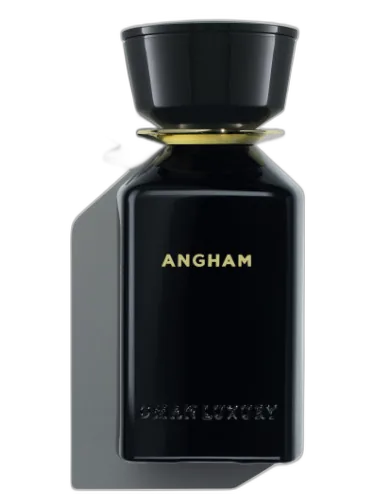
Omanluxury
Angham Omanluxury
Shared top notes: apple, saffron
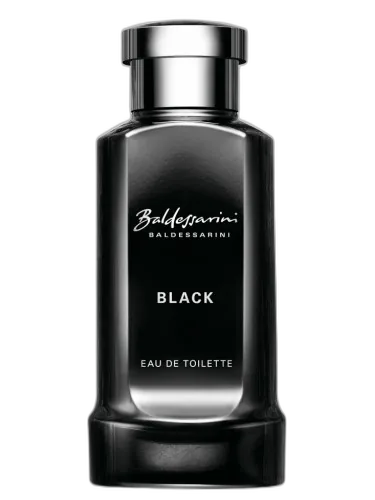
Baldessarini
Baldessarini Black Baldessarini
Shared heart notes: geranium, myrhh
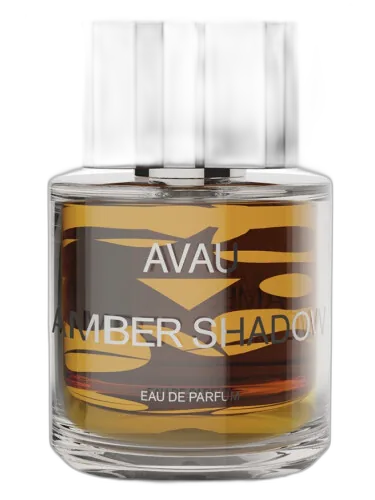
AVAU
Amber Shadow Avau
Shared top notes: saffron
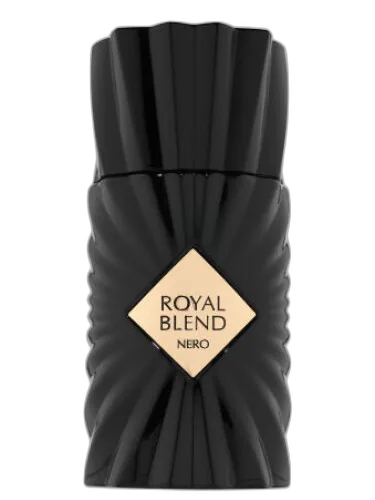
French Avenue
Royal Blend Nero French Avenue
Shared top notes: apple, bergamot
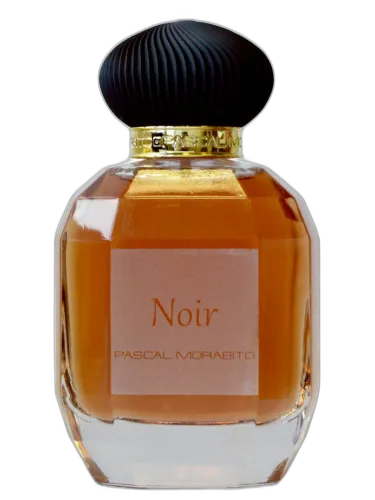
Pascal Morabito
Sultan Noir Pascal Morabito
Shared top notes: apple