
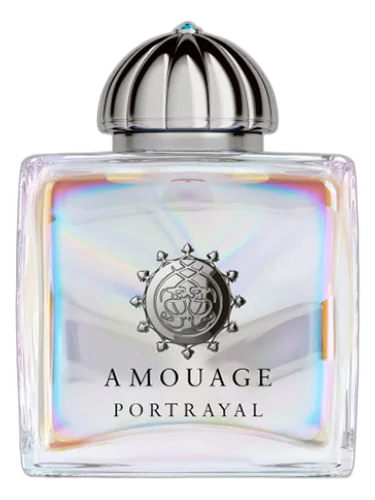

Portrayal Woman Amouage
At a glance
Is Portrayal Woman Amouage worth trying?
Portrayal Woman by Amouage is a Oriental Floral fragrance for women.
- Best match
- Evening wear in Fall
- Performance feel
- Excellent longevity with Strong sillage
- Signature profile
- white floral, tobacco, vanilla with Jasmine, Tobacco, Vanilla
The first impression
Portrayal Woman by Amouage is a Oriental Floral fragrance for women. Portrayal Woman was launched in 2019. Portrayal Woman was created by Annick Menardo and Pierre Negrin. Top note is Jasmine; middle notes are Tobacco and Vanilla; base note is elemi.
What shapes the scent
The perfumer behind it

Annick Menardo
Annick Menardo is a French perfumer known for her work at Firmenich and her bold, modern compositions. She often blends gourmand, woody, and leathery accords, creating fragrances that are both striking and wearable. Her portfolio includes the rich, smoky Figment Man for Amouage and the sophisticated, floral-amber Portrayal Woman, as well as the iconic Azzaro Visit.
Notes pyramid
Top Notes
First impression · 15-30 min
 Jasmine
Heart Notes
Core character · 2-4 hours
 Tobacco
 Vanilla
Base Notes
Lasting impression · 4+ hours
 elemi
elemi
The mood it creates
The Portrayal Woman Archetype: Portrait of Portrayal Woman Amouage
Essence
To wear Portrayal Woman by Amouage is to embrace the paradox of presence and mystery. This fragrance-opulent yet restrained, bold yet elusive-speaks of a woman who is not merely seen but perceived. She exists in the liminal space between archetypes, but if one were to distill her essence, she is closest to The Siren-not in the trivial sense of seduction, but in the deeper, mythic tradition of one who lures others into self-discovery.
Style & Aesthetic
She thrives in environments that stimulate her intellect and senses-art galleries, dimly lit jazz clubs, or late-night conversations in book-lined apartments. Her home is curated but never sterile; every object tells a story. She might collect first editions of philosophical works or rare vinyl records, not for status but for the way they resonate with her.
Professionally, she is drawn to fields that allow her to shape narratives-writing, film, psychology, or design. She is not content with mere functionality; she seeks to infuse meaning into everything she touches. Yet her disdain for mediocrity can make her impatient with those who do not share her depth. She may dismiss others too quickly, mistaking their simplicity for shallowness.
Philosophy & Values
Her philosophy is one of self-creation. She does not believe in fixed identities but in the perpetual act of shaping oneself. Like Nietzsche’s concept of will to power, she sees life as an aesthetic project-one where she is both artist and canvas. She values autonomy above all, resisting societal scripts that dictate how a woman should be.
Yet this very independence can become her shadow. The Siren’s allure lies in her elusiveness, but if taken too far, she risks becoming untouchable-even to herself. She may struggle with intimacy, fearing that to be fully known is to be confined. Her relationships are intense but often transient, as she withdraws when others come too close. She is not cruel, merely self-protective, guarding her inner world like a sacred text.
Shadow
The Siren’s greatest strength-her ability to fascinate-is also her greatest peril. She risks becoming a prisoner of her own mystique, performing depth rather than living it. There are moments when she tires of her own complexity, longing for something raw and uncalculated. But to shed her layers feels like surrender, so she remains poised, even in solitude.
Her relationships are marked by a push-and-pull dynamic. She attracts admirers effortlessly, but few truly reach her. When someone does, she may sabotage the connection, fearing that to be loved is to be possessed. Her challenge is to learn that vulnerability is not weakness but the final act of self-creation-one that requires the courage to be seen without artifice.
Conclusion
She is both the enchantress and the enchanted, the observer and the observed. Portrayal Woman is her signature because it, like her, refuses to be defined. It is a fragrance for those who understand that identity is not static but a living, evolving performance.
Her life is a work of art-sometimes flawed, always compelling. And though she may never fully resolve her contradictions, perhaps that is the point. For in the tension between mystery and revelation, she finds her truest self.
If you like this, try these
Fragrances with a comparable profile - shared accords, notes, and character.
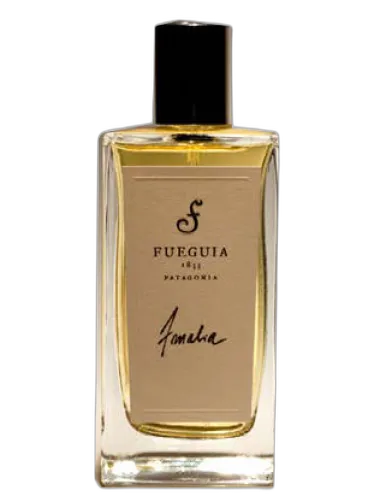
Fueguia 1833
Amalia Gourmand Fueguia 1833
Shared top notes: jasmine
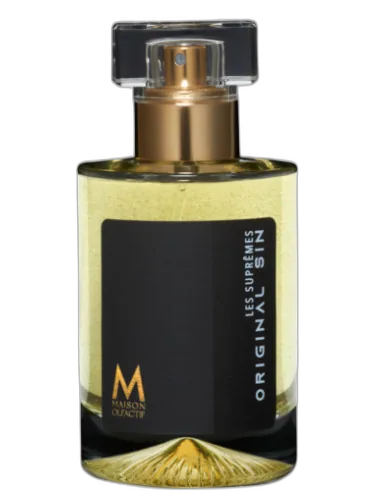
MAISON OLFACTIF
Original Sin Maison Olfactif
Shared top notes: jasmine
Fragonard
Vanille Fragonard
Shared top notes: jasmine
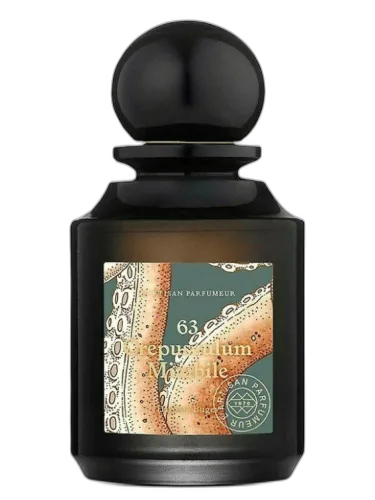
L'Artisan Parfumeur
Crepusculum Mirabile 63 L'artisan Parfumeur
Shared top notes: jasmine
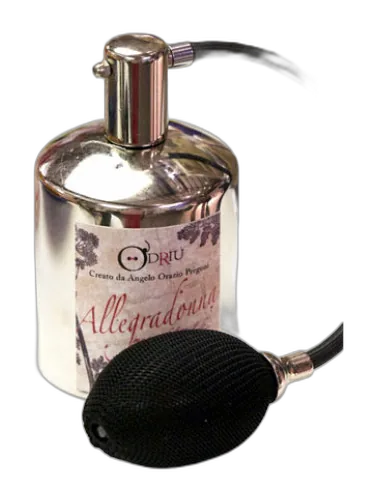
O'Driu
Allegradonna O'driu
Shared top notes: jasmine