
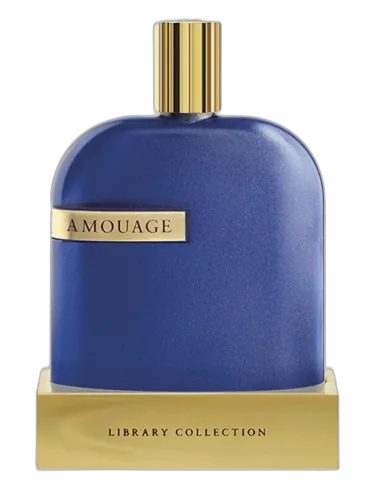

The Library Collection Opus Xi Amouage
At a glance
Is The Library Collection Opus Xi Amouage worth trying?
The Library Collection Opus XI by Amouage is a Oriental Woody fragrance for women and men.
- Best match
- Evening wear in Fall
- Performance feel
- Excellent longevity with Strong sillage
- Signature profile
- oud, amber, fresh spicy with Marjoram, Agarwood (Oud), Styrax
The first impression
The Library Collection Opus XI by Amouage is a Oriental Woody fragrance for women and men. The Library Collection Opus XI was launched in 2018. Top note is Marjoram; middle note is Agarwood (Oud); base notes are Styrax and Leatherwood.
What shapes the scent
The perfumer behind it

Notes pyramid
Top Notes
First impression · 15-30 min
 Marjoram
Heart Notes
Core character · 2-4 hours
 Agarwood (Oud)
Base Notes
Lasting impression · 4+ hours
 Styrax
 Leatherwood
The mood it creates
The Archetype Archetype: Portrait of The Library Collection Opus Xi Amouage
Essence
The person who cherishes Amouage Opus XI is, above all, a seeker-a mind that thrives on depth, complexity, and the interplay of shadow and light. Their dominant archetype is The Sage, the eternal student of life, drawn to wisdom, introspection, and the hidden structures of existence. Like the fragrance itself-a rich, enigmatic blend of leather, incense, and dark florals-they are drawn to the profound, the mysterious, and the intellectual.
Yet, The Sage is not merely a passive observer. They are an interpreter, one who deciphers the world through thought, analysis, and a refined aesthetic sensibility. Their love for Opus XI is no accident: it is a scent that demands attention, that lingers in the air like an unsolved riddle, much like their own presence in the lives of others.
Shadow
Yet, no archetype exists without its shadow. The Sage risks becoming The Hermit, isolated by their own intellect, mistaking solitude for superiority. Their relentless pursuit of truth can harden into cynicism, their love of complexity into a disdain for simplicity. They may grow impatient with those who do not share their depth, dismissing them as shallow-a flaw that can leave them lonely, even among friends.
There is also the danger of analysis paralysis-the endless turning over of ideas without ever acting. The Sage can become so absorbed in thought that they forget to live, to feel, to surrender to spontaneity. Opus XI, with its brooding, meditative aura, may sometimes serve as an olfactory echo chamber, reinforcing their tendency toward introspection rather than engagement.
Conclusion
Their tastes are deliberate, never accidental. They prefer the weight of a well-bound book to the flicker of a screen, the slow burn of aged whiskey to the immediacy of a cocktail. Their wardrobe is a study in controlled elegance-tailored but not ostentatious, rich in texture but subdued in color. They might favor dark wool, fine leather, or the quiet luxury of cashmere, all chosen for their tactile and intellectual resonance rather than mere fashion.
Philosophy is not an abstract exercise for them; it is the lens through which they navigate existence. They may be drawn to Nietzsche’s embrace of chaos and order, Jung’s exploration of the unconscious, or the Stoic discipline of Marcus Aurelius. Their values are rooted in truth, even when it is uncomfortable-they would rather face a harsh reality than indulge in comforting illusions.
In relationships, they are selective, valuing depth over breadth. Their closest bonds are with those who can match their intellectual intensity, who do not shy away from debate or introspection. They are not the life of the party, but the one who lingers afterward, discussing ideas long into the night. Romance, for them, is a meeting of minds as much as bodies-they are drawn to partners who are equally complex, equally willing to explore the shadows of the self.
If you like this, try these
Fragrances with a comparable profile - shared accords, notes, and character.
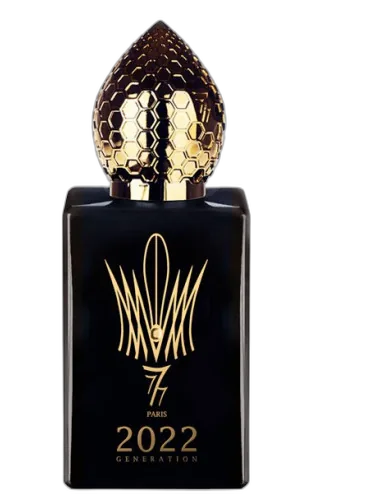
Stéphane Humbert Lucas 777
2022 Generation Homme Stéphane Humbert Lucas 777
Shared heart notes: agarwood (oud)
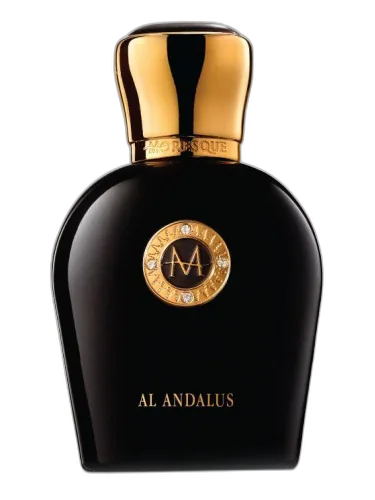
Moresque
Al Andalus Moresque
Shared heart notes: agarwood (oud)
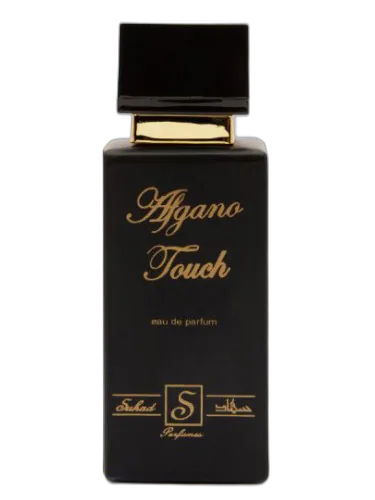
Suhad Perfumes
Afgano Touch Suhad Perfumes
Shared heart notes: agarwood (oud)
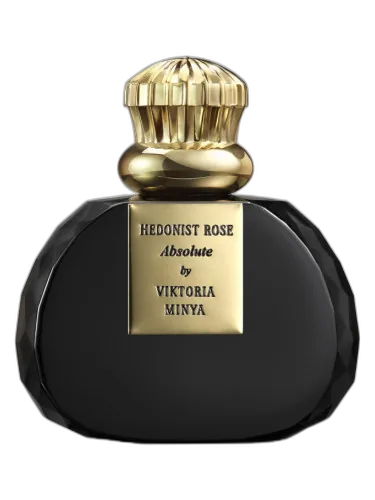
Viktoria Minya
Hedonist Rose Absolute Viktoria Minya
Shared heart notes: agarwood (oud)

NSHQ
Al Astora Nshq
Shared heart notes: agarwood (oud)