
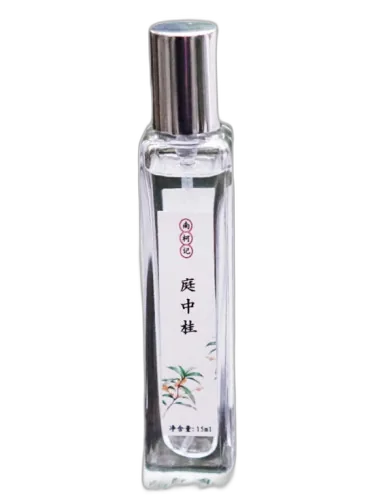

Courtyard Osmanthus 庭中桂 南柯记 Nankeji
At a glance
Is Courtyard Osmanthus 庭中桂 南柯记 Nankeji worth trying?
Courtyard Osmanthus 庭中桂 by 南柯记 Nankeji is a Floral Fruity fragrance for women.
- Best match
- Casual, Office wear in Spring, Summer
- Zodiac
- Best for Cancer
- Performance feel
- Moderate longevity with Moderate sillage
- Signature profile
- fruity, floral, fresh spicy with Pear, Bay Leaf, Black Tea
The first impression
Courtyard Osmanthus 庭中桂 by 南柯记 Nankeji is a Floral Fruity fragrance for women. Courtyard Osmanthus 庭中桂 was launched in 2020. The nose behind this fragrance is 璃子 Lizi. Top notes are Pear and Bay Leaf; middle notes are Black Tea and Osmanthus; base notes are Pomegranate and Agarwood (Oud).
What shapes the scent
The perfumer behind it

璃子 Lizi
璃子 Lizi is a Chinese perfumer who has composed an extensive range for the brand 南柯记 Nankeji. Her catalog includes Autumn Osmanthus, Autumn Woods, Bamboo Dew, Beaded Curtain, Blossoms Fall, Chang’an Old Dream, Courtyard Osmanthus, and Empty Mountain. These fragrances reflect a deep connection to nature and traditional Chinese aesthetics.
Notes pyramid
Top Notes
First impression · 15-30 min
 Pear
Pear
 Bay Leaf
Heart Notes
Core character · 2-4 hours
 Black Tea
 Osmanthus
Base Notes
Lasting impression · 4+ hours
 Pomegranate
 Agarwood (Oud)
The mood it creates
The Sage Archetype: Portrait of Courtyard Osmanthus 庭中桂 南柯记 Nankeji
Essence
Courtyard Osmanthus embodies the Sage, a fragrance of quiet wisdom and poetic observation. The osmanthus and black tea suggest someone who finds profundity in stillness, while pear and bay leaf lend a crisp, intellectual clarity. This is a scent for those who study the world like a manuscript waiting to be deciphered.
They understand that truth often hides in transitions-the way tea leaves unfurl or dusk settles over a garden. The oud base grounds their insights in timelessness, making their presence feel both immediate and ancient.
Style & Aesthetic
They wear structured linen and raw silk, fabrics that whisper rather than shout. Their color palette leans toward muted earth tones, with occasional jade accents mirroring the fragrance's green freshness. A single antique ring might be their only adornment.
Their space is orderly but not sterile: a low wooden desk stacked with well-thumbed books, a single branch of flowering osmanthus in a celadon vase. Every object has purpose and provenance.
Philosophy & Values
They value knowledge that serves understanding rather than dominance. For them, wisdom is not about having answers but asking better questions. The interplay of fruity and woody notes reflects their belief in balancing intuition with reason.
They mistrust dogma, preferring the pomegranate's tart complexity to simple sweetness. Time spent in contemplation is never wasted-only misdirected attention is.
Relationships
They listen more than they speak, drawing out others' thoughts with gentle precision. Romantic partners are drawn to their calm depth, though some find their emotional reserve frustrating. Friends seek them for counsel, leaving conversations feeling lighter yet more grounded.
Their relationships are like the tea note-warming gradually, revealing layers over time. They cultivate few but profound connections.
Lifestyle
Dawn finds them practicing calligraphy or tai chi in a sunlit courtyard. Work is methodical-perhaps translating texts or restoring artifacts-with breaks for steeping loose-leaf tea. Evenings are for reading Tang dynasty poetry or writing letters in careful brushstrokes.
They move through cities like a scholar through archives, finding meaning in overheard conversations and the play of shadows on pavement.
Shadow
Their detachment can become emotional evasion, using wisdom as a barrier to vulnerability. The bay leaf's sharpness sometimes cuts when they mistake bluntness for honesty. They may hoard knowledge like the agarwood's preciousness, forgetting to share it generously.
When unbalanced, they retreat into abstraction, mistaking observation for participation in life.
Conclusion
Courtyard Osmanthus is the scent of a mind that finds the universe in a dewdrop. It captures the Sage's gift-to make others feel truly seen, if only for the duration of a shared cup of tea.
If you like this, try these
Fragrances with a comparable profile - shared accords, notes, and character.

Rosy & Earnest
Be Rosy Rosy & Earnest
Shared top notes: pear
Marble Oud
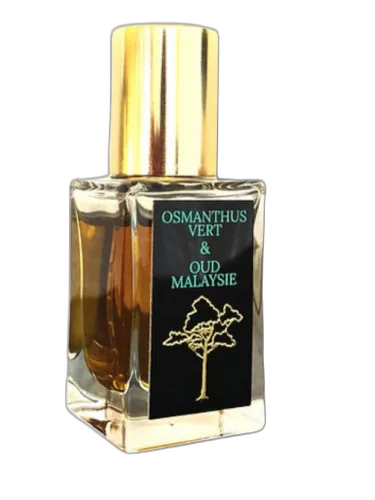
Osmanthus Vert & Oud Malaysie Marble Oud
Shared heart notes: osmanthus
Yves Saint Laurent
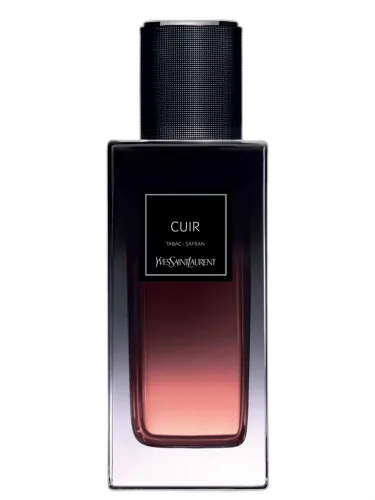
Cuir Yves Saint Laurent
Shared heart notes: black tea, osmanthus
Police
To Be Super (pure) Police
Shared heart notes: black tea, osmanthus
Boitown 冰希黎
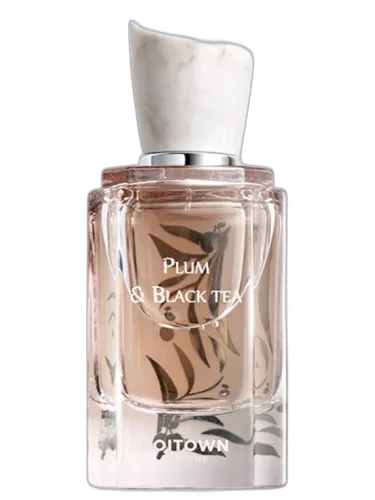
Plum & Black Tea 西梅红茶 Boitown 冰希黎
Shared heart notes: black tea, osmanthus