

Winter Wine 冬之酒 南柯记 Nankeji
At a glance
Is Winter Wine 冬之酒 南柯记 Nankeji worth trying?
Winter Wine 冬之酒 by 南柯记 Nankeji is a fragrance for women.
- Best match
- Evening, Special Occasion wear in Winter
- Zodiac
- Best for Virgo
- Performance feel
- Good longevity with Moderate sillage
- Signature profile
- citrus, honey, fruity with Lemon, Liquor, Green Plum
The first impression
Winter Wine 冬之酒 by 南柯记 Nankeji is a fragrance for women. Winter Wine 冬之酒 was launched in 2020. The nose behind this fragrance is 璃子 Lizi. Top notes are Lemon and Liquor; middle notes are Green Plum and Apricot; base notes are Honey and Pear Wood.
What shapes the scent
The perfumer behind it

璃子 Lizi
璃子 Lizi is a Chinese perfumer who has composed an extensive range for the brand 南柯记 Nankeji. Her catalog includes Autumn Osmanthus, Autumn Woods, Bamboo Dew, Beaded Curtain, Blossoms Fall, Chang’an Old Dream, Courtyard Osmanthus, and Empty Mountain. These fragrances reflect a deep connection to nature and traditional Chinese aesthetics.
Notes pyramid
Top Notes
First impression · 15-30 min
 Lemon
Lemon
 Liquor
Heart Notes
Core character · 2-4 hours
 Green Plum
 Apricot
Base Notes
Lasting impression · 4+ hours
 Honey
Pear Wood
Honey
Pear Wood
The mood it creates
The Mystic Archetype: Portrait of Winter Wine 冬之酒 南柯记 Nankeji
Essence
Winter Wine embodies the Mystic archetype, a seeker of hidden truths and ephemeral beauty. The fragrance's interplay of lemon liquor and green plum suggests a soul who finds transcendence in fleeting moments, while honey and pear wood ground the scent in earthy warmth. They are drawn to the liminal spaces between waking and dreaming, where reality blurs into something more poetic.
Style & Aesthetic
Their aesthetic is a study in contrasts: delicate silk robes draped over sturdy wool, or a single sprig of plum blossom in a weathered ceramic vase. They favor textures that tell stories-faded ink paintings, hand-carved wooden beads, the patina of old brass. The scent's boozy citrus and honeyed wood mirror their love for objects that balance refinement with rustic charm.
Philosophy & Values
For them, life is a ritual to be savored slowly. The green plum's tartness represents their belief in necessary bitterness, while the apricot's softness speaks to their quiet optimism. They value intuition over logic, seeing meaning in the way winter light slants through a window or how steam curls from a teacup.
Relationships
They attract kindred spirits who appreciate depth without demanding explanations. Romantic partners are often drawn to their enigmatic nature, though some grow frustrated by their occasional emotional withdrawal. Their closest friendships are built on shared silences as much as conversation.
Lifestyle
Mornings might find them practicing calligraphy or brewing medicinal teas, evenings spent reading Tang dynasty poetry by candlelight. They prefer solitary walks through winter gardens, where the crunch of frost underfoot becomes a meditation. The fragrance's longevity mirrors their ability to linger in meaningful moments long after others have moved on.
Shadow
Their mysticism can tip into escapism, using the scent's liquor note as a metaphor for avoiding harsh realities. The honeyed base warns of a tendency to sweeten truths when they become uncomfortable. At their worst, they risk becoming untethered from practical concerns.
Conclusion
Winter Wine is an olfactory haiku-each note carefully chosen to evoke more than it states. Like the mystic who wears it, the fragrance suggests there are always deeper layers waiting beneath the surface, if one knows how to look.
If you like this, try these
Fragrances with a comparable profile - shared accords, notes, and character.
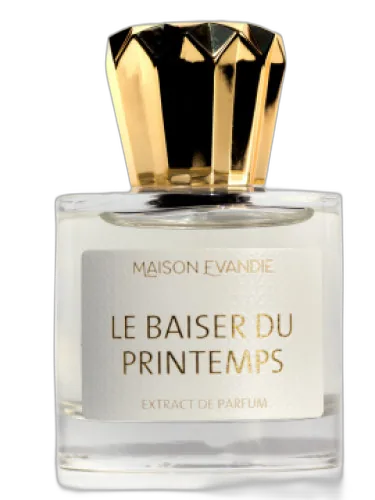
Maison Evandie
Le Baiser Du Printemps Maison Evandie
Shared top notes: lemon

Roberto Cavalli
Florence Amber Roberto Cavalli
Shared top notes: lemon
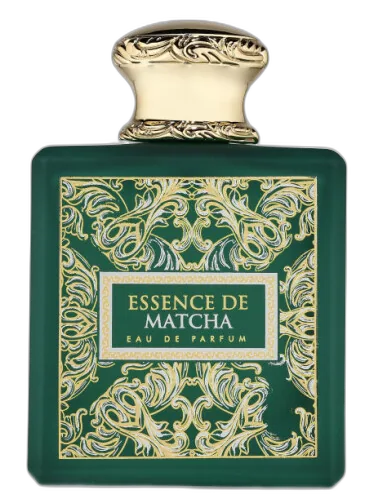
French Avenue
Essence De Matcha French Avenue
Shared top notes: lemon
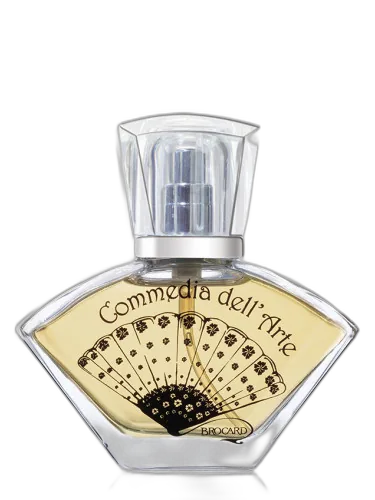
Brocard
Commedia Dell’arte Brocard
Shared top notes: lemon

Tom Ford
Fleur De Portofino Acqua Tom Ford
Shared top notes: lemon