
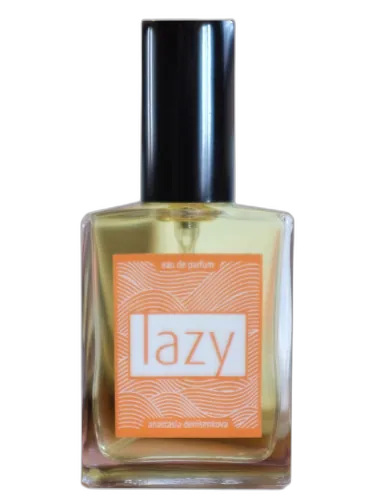

Lazy Anastasia Denisenkova
At a glance
Is Lazy Anastasia Denisenkova worth trying?
Lazy by Anastasia Denisenkova is a fragrance for women and men.
- Best match
- Casual wear in Fall
- Performance feel
- Good longevity with Moderate sillage
- Signature profile
- fruity, white floral, sweet with Fruity Notes, Peach, White Flowers
The first impression
Lazy by Anastasia Denisenkova is a fragrance for women and men. Lazy was launched in 2014. The nose behind this fragrance is Anastasia Denisenkova.
What shapes the scent
The perfumer behind it

Anastasia Denisenkova
Anastasia Denisenkova is a Russian perfumer known for her imaginative and often playful approach to fragrance composition. Her creative signature blends unexpected contrasts, from the whimsical "Blue Mice" to the creamy comfort of "Flower Milk" and the introspective depth of "Insomnia." She explores themes of nostalgia and emotion, as seen in the tender "Koukla Mou" and the surreal "Salad," crafting scents that feel both personal and unconventional. Her work continues to challenge traditional perfumery with its bold storytelling and artistic freedom.
Notes pyramid
All Notes
Complete scent profile
 Fruity Notes
 Peach
Peach
 White Flowers
 Bread
Bread
 Butter
The mood it creates
The Lazy Anastasia Denisenkova Archetype: Portrait of Lazy Anastasia Denisenkova
Essence
This person is most closely aligned with the Puer Aeternus (Eternal Child) archetype-a figure suspended between enchantment and evasion, drawn to beauty but resistant to the weight of responsibility. Like the fragrance itself-soft, dreamy, and subtly intoxicating-they embody a refusal to be hardened by time or convention. Their essence is one of lingering twilight, where reality blurs into something softer, more poetic.
Relationships
They are magnetic in their quiet way, drawing people in with their unhurried presence. Friends confide in them effortlessly, sensing a listener who will not judge but also may not push for resolution. Romantic partners are enchanted by their tenderness, though some grow frustrated by their reluctance to commit fully-not out of malice, but from a fear of confinement.
Their love is like their fragrance: lingering, evocative, but never overwhelming. They prefer relationships that allow for solitude, where two people can exist in parallel without demanding fusion. This can be a gift-a rare space of mutual freedom-or a curse, leaving others feeling like temporary guests in their inner world.
Shadow
The Eternal Child’s greatest weakness is evasion. They mistake transience for wisdom, avoiding anything that threatens their delicate equilibrium. Responsibilities are deferred; difficult emotions are soothed away with another cup of tea, another walk through the park. Their refusal to engage fully with life’s harsher textures can render them passive, even stagnant.
At their worst, they become spectral-present but never fully there. They may romanticize melancholy, mistaking it for depth, or withdraw into a fantasy of how things could be rather than confronting how they are. The very sensitivity that makes them enchanting can also make them fragile, recoiling from anything that demands grit or confrontation.
Conclusion
Their tastes are refined but never ostentatious. They prefer worn-in cashmere over stiff tailoring, muted earth tones over bold statements. Their home is a sanctuary of books, dried flowers, and faintly burning incense-a place where time moves slower. Music is an extension of their mood: ambient soundscapes, melancholic folk, or the occasional jazz record left spinning into the night.
Philosophically, they reject rigid systems, favoring intuition over dogma. They might dabble in Zen Buddhism or existentialism, not as doctrines but as lenses to soften life’s sharp edges. Their values are rooted in authenticity, but their version of it is fluid-less about steadfast principles and more about preserving an inner world untouched by cynicism.
If you like this, try these
Fragrances with a comparable profile - shared accords, notes, and character.

Bud Parfums
Butterfly Bud Parfums
Shared top notes: fruity notes, white flowers
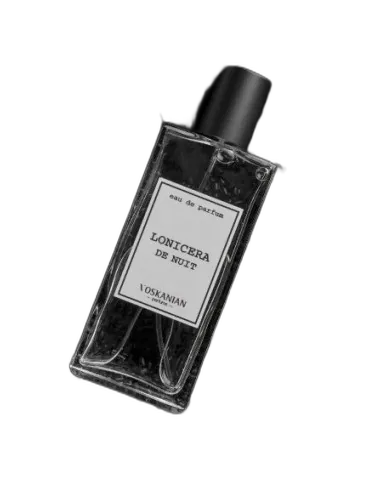
Voskanian Parfums
Lonicera De Nuit Voskanian Parfums
Shared top notes: fruity notes, white flowers

Brocard
Heavenly Fruits Brocard
Shared top notes: peach
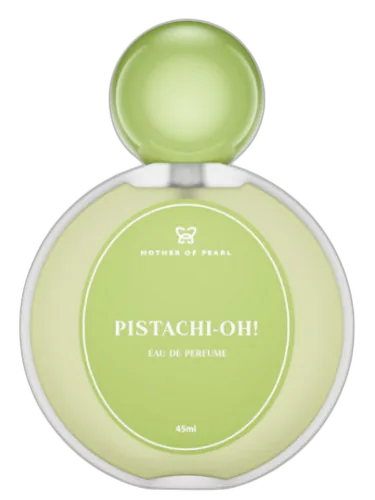
Mother of Pearl
Pistachi-oh! Mother Of Pearl
Shared top notes: butter, fruity notes, white flowers
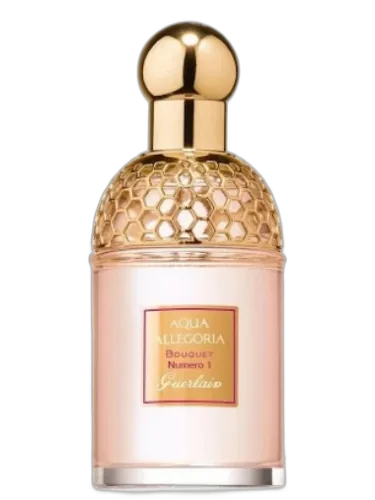
Guerlain
Aqua Allegoria Bouquet Numero 1 Guerlain
Shared top notes: fruity notes, peach, white flowers