
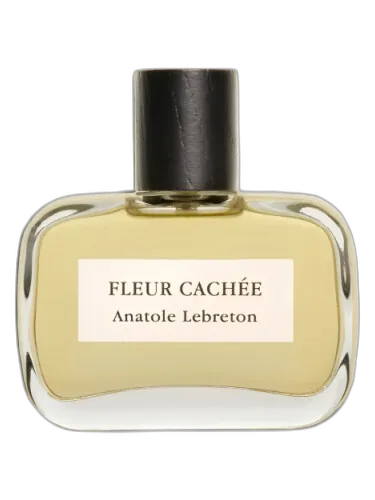

Fleur Cachée Anatole Lebreton
Fragrance Story
Fleur Cachée by Anatole Lebreton is a Woody fragrance for women and men. Fleur Cachée was launched in 2020. The nose behind this fragrance is Anatole Lebreton.
Composition Profile
About the Perfumer

Anatole Lebreton
Anatole Lebreton is an independent French perfumer known for his artisanal approach and deep respect for raw materials. His olfactory style blends natural ingredients with bold, narrative-driven compositions that often evoke memory and place. Notable creations from our catalog include the luminous woody warmth of Bois Lumière, the gourmand comfort of Brioche, and the dark, resinous complexity of Grimoire.
Fragrance Notes
All Notes
Complete scent profile
 Turmeric
 Fenugreek
Madagascar Vanilla
Fenugreek
Madagascar Vanilla
 Timur
Timur
 Peru Balsam
 Sandalwood
Texas Cedar
Sandalwood
Texas Cedar
Character Profile
The Fleur Cach Archetype: Portrait of Fleur Cachée Anatole Lebreton
Essence
This person is most closely aligned with the Mystic-a seeker of hidden truths, drawn to the liminal spaces between reality and reverie. The Mystic does not merely wear a fragrance; they commune with it, allowing its whispers to guide them toward deeper self-awareness. Fleur Cachée-a scent of secret flowers, damp earth, and elusive melancholy-mirrors their essence: beauty veiled in mystery, sensuality tempered by restraint.
Like all archetypes, the Mystic has a shadow-a tendency toward escapism, an over-identification with the intangible, a reluctance to fully engage with the mundane. Yet in their finest moments, they are bridges between worlds, translating the ineffable into something palpable.
Style & Aesthetic
Their wardrobe is an extension of their psyche-layered, textured, never obvious. They favor fabrics that whisper rather than shout: raw silk, aged linen, wool softened by time. Earth tones dominate, but with flashes of deep burgundy or midnight blue, as if hinting at passions kept just out of sight. Their jewelry is minimal but meaningful-an heirloom ring, a talisman from a distant journey.
They are drawn to art that evokes rather than declares-symbolist paintings, haiku, chamber music. A well-worn book of Rilke sits on their nightstand, its pages annotated in margins with thoughts that will never be shared. Their home is a sanctuary of curated silence: dried botanicals in glass jars, an antique desk where they write letters they may never send.
They thrive in environments that allow for contemplation-a small flat in an old European city, a cottage by a misty forest. Their daily rituals are sacred: morning tea brewed in silence, evening walks where the boundary between thought and sensation blurs. They are not reclusive, but they are selective-choosing gatherings where conversation has weight, where laughter is genuine, not performative.
Professionally, they gravitate toward fields that honor depth-a curator, a perfumer, a therapist, a writer. They disdain the transactional nature of modern hustle culture, preferring work that feels like an extension of their inner life rather than a departure from it.
Philosophy & Values
They believe truth is not found in declarations but in the pauses between words. Their spirituality is intuitive rather than doctrinal-a quiet reverence for the unseen forces that shape existence. They might meditate, but not in the performative way of wellness gurus; their practice is private, wordless, a communion with the unnamed.
They value depth over breadth in relationships, preferring a few soulful connections to many shallow ones. Loyalty is sacred to them, but they demand reciprocity-if someone fails to meet them at the level of emotional honesty they require, they will retreat without explanation.
Relationships
They love cautiously, as though each step forward is a negotiation between desire and self-preservation. Their romantic partners are often artists, philosophers, or wanderers-people who understand that love is not possession but a shared pilgrimage. Their affection is expressed in gestures rather than proclamations: a carefully chosen book left on a pillow, a single stem of hellebore placed in a vase by the bed.
Yet their shadow looms here: they can be elusive, even to those closest to them. Their fear of vulnerability sometimes manifests as emotional withdrawal, leaving others to wonder if they were ever truly known at all.
Shadow
The Mystic’s greatest strength-their ability to dwell in the unseen-can also be their undoing. When unbalanced, they may romanticize melancholy to the point of self-indulgence, mistaking solitude for wisdom. Their reluctance to fully inhabit the present can leave them stranded between memory and longing, never quite arriving.
They must learn that not all truths need to be hidden, that sometimes the most profound act of courage is to be plainly seen.
Conclusion
Fleur Cachée is not merely a scent to them-it is an olfactory manifesto. It tells the story of a soul who finds beauty in what is half-revealed, who believes that the most intoxicating mysteries are those that remain just beyond full comprehension.
They are neither entirely of this world nor entirely apart from it-and that is precisely how they prefer to exist.
Similar Fragrances
Fragrances with a comparable profile - shared accords, notes, and character.
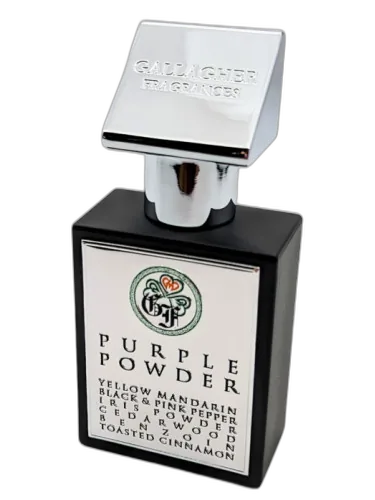
Gallagher Fragrances
Purple Powder Gallagher Fragrances
Shared accords: amber, balsamic, citrus
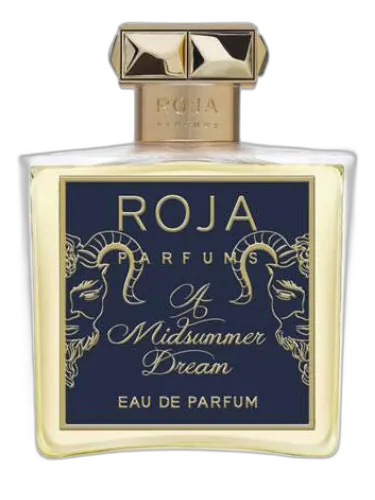
Roja Dove
A Midsummer Dream Roja Dove
Shared accords: amber, balsamic, citrus
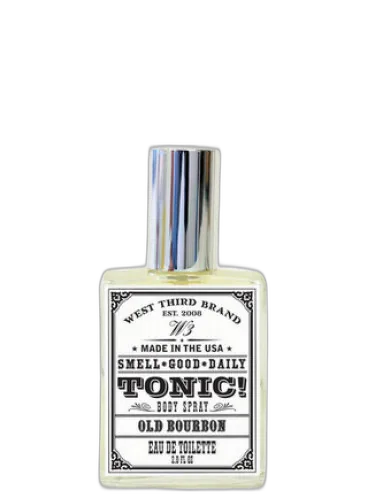
West Third Brand
Old Bourbon West Third Brand
Shared accords: amber, balsamic, citrus
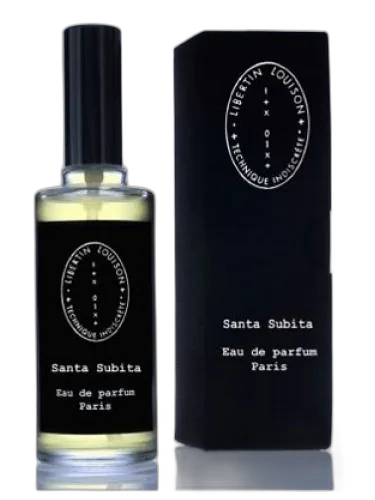
Libertin Louison Technique Indiscrete
Santa Subita Libertin Louison Technique Indiscrete
Shared accords: amber, balsamic, citrus

Nocibé
Woody Mirage Nocibé
Shared accords: amber, citrus, fresh spicy