
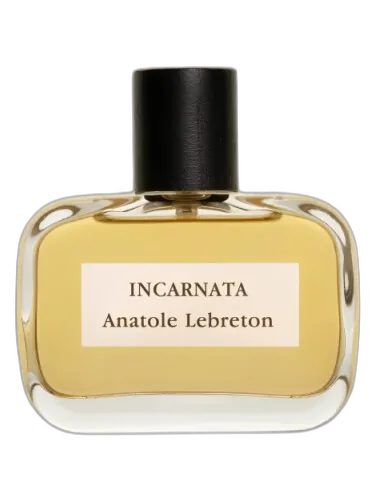

Incarnata Anatole Lebreton
At a glance
Is Incarnata Anatole Lebreton worth trying?
Incarnata by Anatole Lebreton is a fragrance for women and men.
- Best match
- Evening wear in Fall
- Performance feel
- Very Good longevity with Moderate sillage
- Signature profile
- powdery, iris, amber with Raspberry, Violet, Rhododendron
The first impression
Incarnata by Anatole Lebreton is a fragrance for women and men. Incarnata was launched in 2015. The nose behind this fragrance is Anatole Lebreton. Top notes are Raspberry, Violet and Rhododendron; middle notes are Powdery Notes, Orris Root, Rose and Myrrh; base notes are Suede, Benzoin, Amber and Vanilla.
What shapes the scent
The perfumer behind it

Anatole Lebreton
Anatole Lebreton is an independent French perfumer known for his artisanal approach and deep respect for raw materials. His olfactory style blends natural ingredients with bold, narrative-driven compositions that often evoke memory and place. Notable creations from our catalog include the luminous woody warmth of Bois Lumière, the gourmand comfort of Brioche, and the dark, resinous complexity of Grimoire.
Notes pyramid
Top Notes
First impression · 15-30 min
 Raspberry
 Violet
 Rhododendron
Heart Notes
Core character · 2-4 hours
 Powdery Notes
 Orris Root
 Rose
Rose
 Myrrh
Myrrh
Base Notes
Lasting impression · 4+ hours
 Suede
Suede
 Benzoin
 Amber
Amber
 Vanilla
The mood it creates
The Lover Archetype: Portrait of Incarnata Anatole Lebreton
Essence
The person who cherishes Incarnata by Anatole Lebreton is most closely aligned with The Lover-an archetype defined by passion, sensuality, and a deep appreciation for beauty in all its forms. This is not mere romanticism, but a fundamental way of being: they experience the world through the senses, seeking intensity in emotion, aesthetics, and connection. The fragrance itself-ripe with the lushness of peach, the warmth of spices, and the dark allure of patchouli-mirrors their inner landscape: voluptuous, intoxicating, and unapologetically alive.
Yet, like all archetypes, The Lover has its shadow. Where there is ecstasy, there can be excess; where there is devotion, there can be obsession. This person walks the line between enchantment and indulgence, between deep connection and fleeting desire.
Relationships
In love, they are both muse and artist. They do not love lightly; when they commit, it is with ferocity, with a desire to know and be known utterly. Their relationships are intense, sometimes overwhelming, because they crave a merging of souls, not just companionship. But this very depth can become their undoing-they may mistake possession for passion, or grow restless when the initial fire dims.
Friendships, too, are chosen with care. They surround themselves with those who understand the language of aesthetics, who can discuss a film’s cinematography as fervently as its plot, who feel music in their bones. Superficiality repels them; they seek kindred spirits who are unafraid of darkness, who can dance on the edge of melancholy without falling in.
Shadow
The Lover’s greatest strength is also their greatest peril. Their hunger for beauty can tip into gluttony-chasing sensation after sensation, never satisfied. They may grow impatient with the mundane, dismissing anything that doesn’t stir their soul as worthless. In darker moments, they might manipulate emotions, intentionally or not, weaving drama to feel alive.
There is also the risk of vanity-not in the shallow sense, but in the belief that their way of experiencing the world is superior. They may disdain those who live practically, forgetting that not everyone can (or should) burn with the same fire.
Conclusion
Their tastes are decadent but deliberate. They are drawn to textures that beg to be touched-velvet, silk, aged leather-and colors that pulse with life: deep burgundies, molten golds, the bruised purple of twilight. Their home is a sanctuary of curated beauty, where every object holds meaning-a vintage perfume bottle, a well-worn book of poetry, a single wilting rose kept for its tragic elegance.
Philosophically, they reject the barrenness of utilitarianism. For them, life must be felt, not just lived. They are drawn to thinkers like Nietzsche (who praised the Dionysian embrace of chaos and passion) and Anaïs Nin (who wrote of love as both salvation and destruction). They believe in the sacredness of pleasure, but not in the shallow hedonism of mere consumption-their pursuit is deeper, almost spiritual.
If you like this, try these
Fragrances with a comparable profile - shared accords, notes, and character.

Jovoy Paris
Poudre Jovoy Paris
Shared top notes: violet
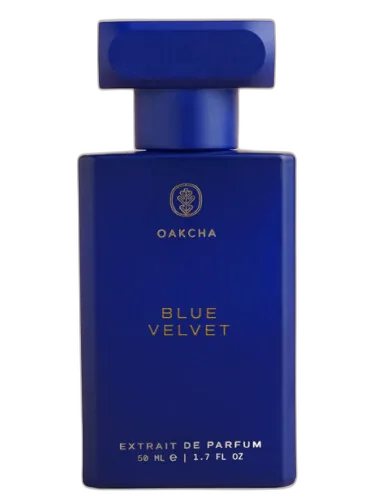
Oakcha
Blue Velvet Oakcha
Shared top notes: violet
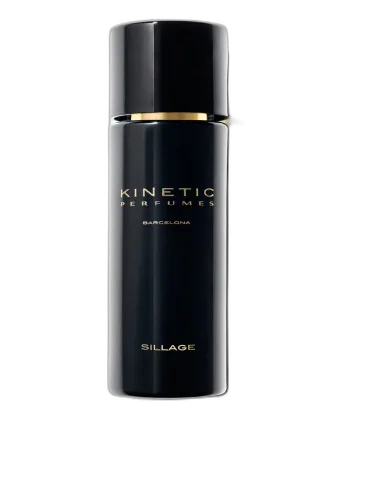
Kinetic Perfumes
Sillage Kinetic Perfumes
Shared top notes: violet

Cuarzo The Circle
Ruby Cuarzo The Circle
Shared top notes: raspberry
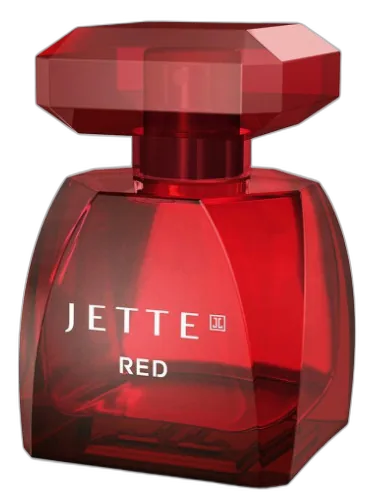
Jette Joop
Jette Red Jette Joop
Shared top notes: raspberry