
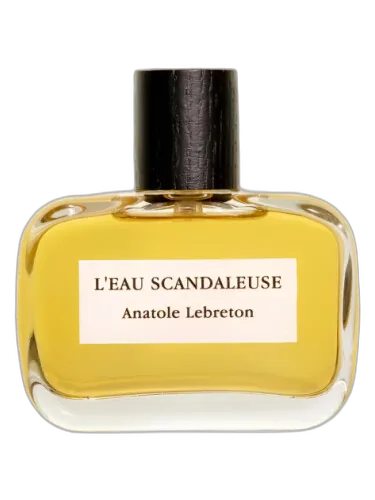

L'eau Scandaleuse Anatole Lebreton
Fragrance Story
L'Eau Scandaleuse by Anatole Lebreton is a Chypre Floral fragrance for women and men. L'Eau Scandaleuse was launched in 2014. The nose behind this fragrance is Anatole Lebreton.
Composition Profile
About the Perfumer

Anatole Lebreton
Anatole Lebreton is an independent French perfumer known for his artisanal approach and deep respect for raw materials. His olfactory style blends natural ingredients with bold, narrative-driven compositions that often evoke memory and place. Notable creations from our catalog include the luminous woody warmth of Bois Lumière, the gourmand comfort of Brioche, and the dark, resinous complexity of Grimoire.
Fragrance Notes
All Notes
Complete scent profile
 Tuberose
 Castoreum
 Leather
 Oakmoss
 Artemisia
 Cypriol Oil or Nagarmotha
 Ylang-Ylang
 Peach
Peach
 Bergamot
L'eau Scandaleuse Anatole Lebreton by Anatole Lebreton offers a distinctive olfactory experience that stands out from other fragrances in its category.
Crafted with the finest ingredients and a blend of traditional and modern perfumery techniques, this fragrance represents the pinnacle of the perfumer's art.
L'eau Scandaleuse Anatole Lebreton embodies the distinctive style of Anatole Lebreton while adding a unique chapter to their fragrance portfolio.
Character Profile
The Seducer Archetype: Portrait of L'eau Scandaleuse Anatole Lebreton
Essence
The person who adores L’Eau Scandaleuse by Anatole Lebreton is ruled by the Enchantress archetype-a figure who thrives on allure, transformation, and the intoxicating power of mystery. This is not mere seduction in the carnal sense, but an alchemical ability to draw others into their world, bending perception like light through a prism. The Enchantress is neither predator nor prey, but the force that makes such distinctions irrelevant.
This fragrance-a bold, animalic rose with honeyed warmth and a scandalous musk-mirrors their essence: at once decadent and refined, tender yet dangerous. They do not merely wear a scent; they embody it, turning every encounter into a subtle performance.
Shadow
Yet the Enchantress is not without peril. Their love of mystery can tip into manipulation, not out of malice, but because they have grown accustomed to controlling the narrative. They may leave others wondering where they truly stand, keeping even loved ones at a slight, tantalizing distance.
Their need for intensity can make them restless, always seeking the next spark, the next transformation. Stability may feel like stagnation, and they may sabotage relationships that threaten to become too predictable. Beneath the glamour, there is sometimes a quiet loneliness-a sense that they are always performing, even for themselves.
Conclusion
Their tastes are deliberate, curated with an artist’s eye. They favor textures that whisper against the skin-silk, velvet, linen-never loud, but impossible to ignore. Their home is a sanctuary of dim lighting, antique mirrors, and well-thumbed books of poetry and philosophy. They might collect rare perfumes, not as trophies, but as talismans, each bottle a fragment of a mood or memory.
In philosophy, they are drawn to thinkers who embrace contradiction-Nietzsche’s "One must have chaos within oneself to give birth to a dancing star," or Baudelaire’s "The Beautiful is always strange." They reject rigid moral binaries, preferring the fluidity of human nature. Their values are not anchored in convention but in authenticity-though their version of authenticity may unsettle those who crave simplicity.
Relationships are their theater. They do not love carelessly, but when they do, it is with an intensity that lingers like perfume on a lover’s collar. They are drawn to those who can match their intellect and emotional depth, but they also enjoy the thrill of the chase-the moment when someone realizes they are being pulled into an orbit they did not anticipate.
Similar Fragrances
Fragrances with a comparable profile - shared accords, notes, and character.
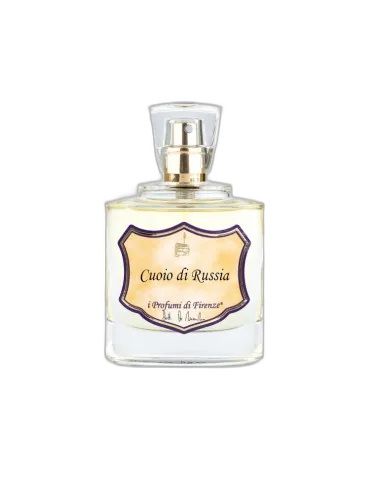
I Profumi di Firenze
Cuoio Di Russia I Profumi Di Firenze
Shared accords: animalic, earthy, leather
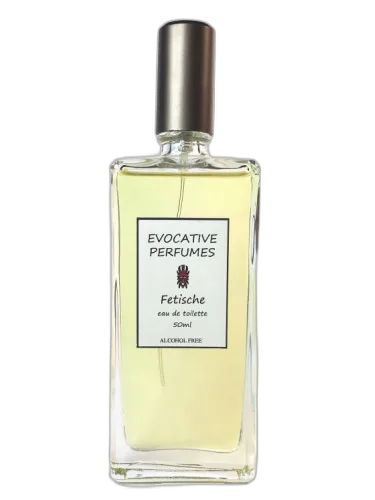
Evocative Perfumes
Fetische Evocative Perfumes
Shared accords: animalic, earthy, leather
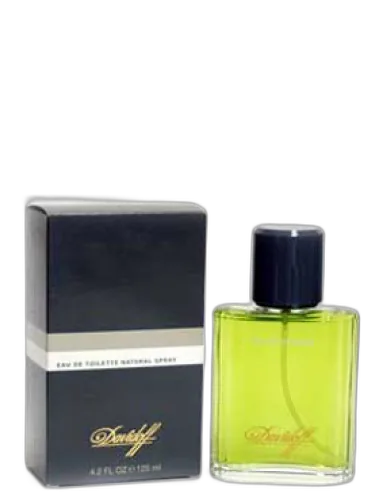
Davidoff
Davidoff Davidoff
Shared accords: animalic, earthy, herbal
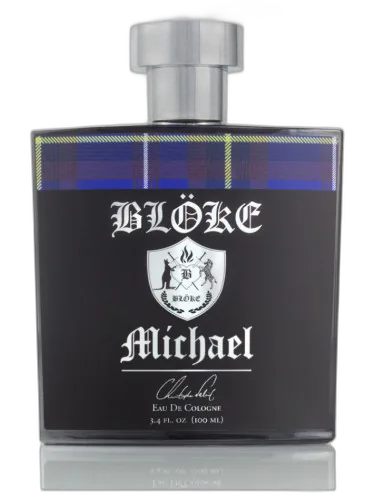
Blöke
Michael Blöke
Shared accords: animalic, earthy, leather

YanFroloff
Chypre 1940 Yanfroloff
Shared accords: animalic, leather, smoky