
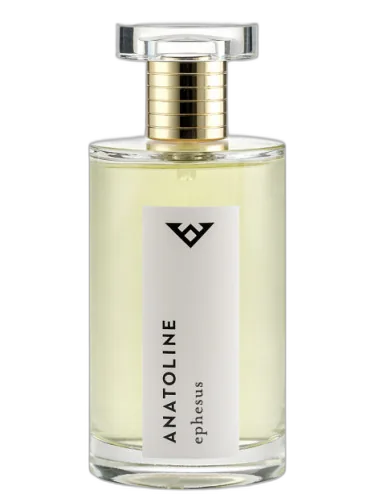

Ephesus Anatoline
At a glance
Is Ephesus Anatoline worth trying?
EPHESUS by Anatoline is a Oriental Woody fragrance for women and men.
- Best match
- Evening wear in Fall
- Performance feel
- Very Good longevity with Strong sillage
- Signature profile
- woody, amber, citrus with Bergamot, Clary Sage, Lemon
The first impression
EPHESUS by Anatoline is a Oriental Woody fragrance for women and men. EPHESUS was launched in 2021. The nose behind this fragrance is Hüseyin Erdoğmuş. Top notes are Bergamot, Clary Sage and Lemon; middle notes are Bubble Gum, Geranium and White Flowers; base notes are Amber, Sandalwood, Cashmere Wood, Musk and Cedar.
What shapes the scent
The perfumer behind it

Hüseyin Erdoğmuş
Hüseyin Erdoğmuş is a Turkish perfumer who has created numerous fragrances for Anatoline, including Ephesus, Gobeklitepe, Kybele, Mesopotamia, Phrygia, and Shaman. He also composed Wonheda for Astral and Sahara Rose Absolute for Habibi NY. His work often incorporates themes from ancient civilizations and Middle Eastern olfactory traditions.
Notes pyramid
Top Notes
First impression · 15-30 min
 Bergamot
 Clary Sage
 Lemon
Lemon
Heart Notes
Core character · 2-4 hours
 Bubble Gum
 Geranium
 White Flowers
Base Notes
Lasting impression · 4+ hours
 Amber
Amber
 Sandalwood
 Cashmere Wood
 Musk
Musk
 Cedar
Cedar
The mood it creates
The Lover Archetype: Portrait of Ephesus Anatoline
Essence
The one who favors Ephesus Anatoline is ruled by the Hedonist archetype-a seeker of beauty, pleasure, and sensory indulgence. This is not mere decadence, but a philosophy of life that elevates experience above all else. The Hedonist does not simply consume; they worship the moment, the texture of existence, the intoxication of the senses. Ephesus Anatoline, with its rich blend of amber, spices, and smoky woods, is their sacred incense-an olfactory hymn to the art of living deeply.
Yet, like all archetypes, the Hedonist has a shadow. Where there is ecstasy, there is also excess; where there is passion, there may be recklessness. The lover of this fragrance walks the fine line between connoisseur and addict, between sensualist and glutton.
Relationships
In love, they are both generous and demanding. They do not seek mere companionship, but fusion-a meeting of minds, bodies, and spirits. Their relationships are intense, often fleeting, because few can match their depth of feeling. They are not cruel, but they are easily bored; once the initial fire dims, they may seek new flames.
Friendships, too, are built on shared pleasures-long dinners that stretch into dawn, whispered confessions under starry skies, laughter that borders on delirium. But their shadow emerges when indulgence becomes escapism. They may avoid difficult truths, preferring the comfort of another glass, another embrace, another distraction.
Shadow
The Hedonist’s greatest danger is not sin, but emptiness. When pleasure becomes routine, it loses its magic. They may find themselves chasing ever-greater thrills, only to discover that no sensation lasts. The shadow whispers: What if nothing is enough?
At their worst, they become jaded, mistaking numbness for wisdom. They may grow cynical, dismissing deeper meaning as illusion-yet this cynicism is merely the flip side of their idealism. They once believed in beauty so fiercely that its inevitable fading wounds them more than most.
Conclusion
Their tastes are deliberate, almost ritualistic. They do not merely drink wine-they savor the tannins, the terroir, the way the glass catches the candlelight. Their wardrobe is not just clothing, but a curated collection of textures: silk that whispers against skin, leather that ages with character, linen that carries the warmth of summer. They surround themselves with objects that demand to be touched, admired, felt.
Philosophically, they reject asceticism as a denial of life’s richness. Why starve the senses when the world offers so much? Their values are rooted in authenticity-not in the moralistic sense, but in the pursuit of what truly moves them. They despise pretense, yet they are not immune to it themselves, for even the most honest hedonist can become a slave to their own desires.
If you like this, try these
Fragrances with a comparable profile - shared accords, notes, and character.
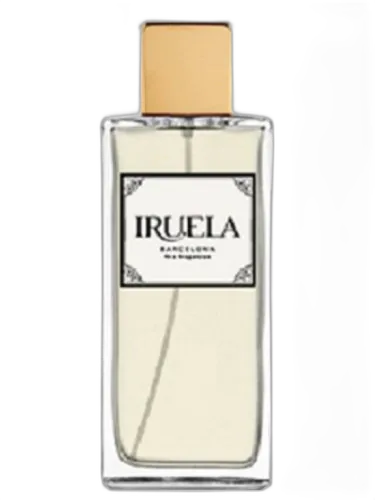
Iruela
Spicy & Wild Spirit Iruela
Shared top notes: bergamot, lemon
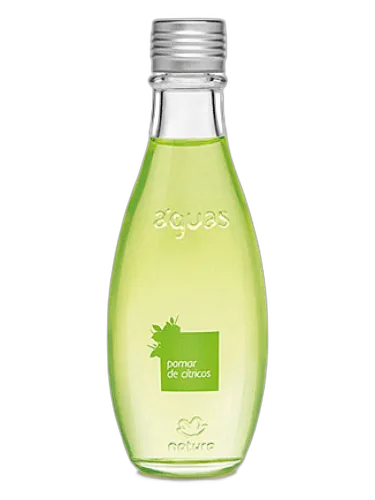
Natura
Pomar De Cítricos Natura
Shared top notes: bergamot, lemon
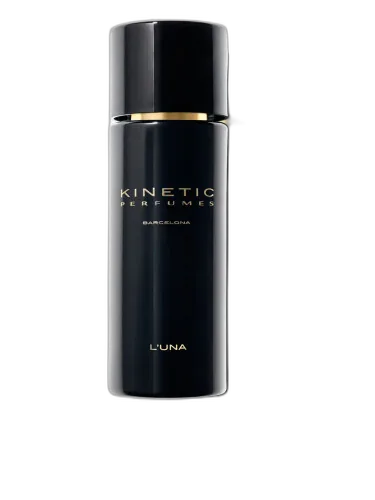
Kinetic Perfumes
L'una Kinetic Perfumes
Shared top notes: bergamot, lemon
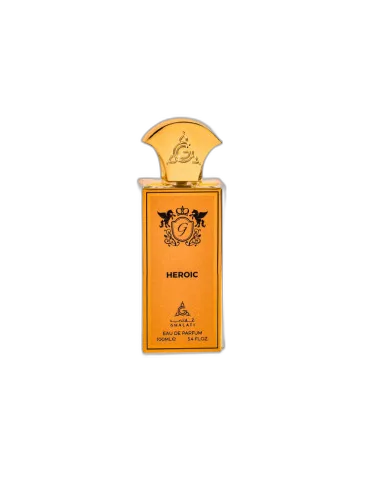
Ghalati
Heroic Ghalati
Shared top notes: bergamot, lemon
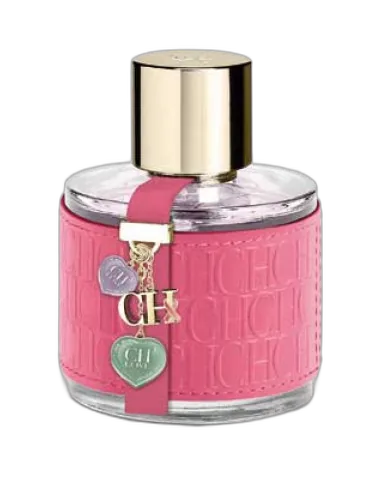
Carolina Herrera
Ch Pink Limited Edition Love Carolina Herrera
Shared top notes: bergamot, lemon