
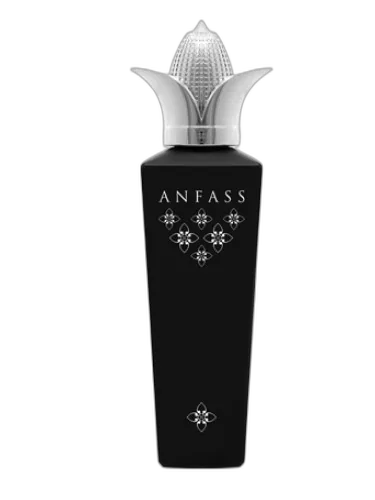
Saher Anfas
At a glance
Is Saher Anfas worth trying?
Saher by Anfas is a Oriental Floral fragrance for women and men.
- Best match
- Evening, Special Occasion wear in Fall, Winter
- Performance feel
- Very Good longevity with Strong sillage
- Signature profile
- woody, citrus, vanilla with Orange, Rose, Neroli
The first impression
Saher by Anfas is a Oriental Floral fragrance for women and men. Saher was launched in 2014. Saher was created by Asim Al Qassim and Christian Carbonnel. Top notes are Orange, Rose, Neroli and Pine; middle notes are Violet, Cedar and Ylang-Ylang; base notes are Tonka Bean, Sandalwood and Vetiver.
What shapes the scent
The perfumer behind it

Asim Al Qassim
Asim Al Qassim is a perfumer known for his work with the house of Anfas, where he has crafted a distinctive style rooted in rich, traditional Middle Eastern ingredients. His compositions often center on luxurious notes like oud, saffron, and amber, creating deep, opulent scents that balance intensity with elegance. Representative creations from the Anfas line include El Oud Anfas, El Zafran Anfas, and Ishq Anfas, each showcasing his skill in blending classic resinous and spicy accords.
Notes pyramid
Top Notes
First impression · 15-30 min
 Orange
 Rose
Rose
 Neroli
 Pine
Pine
Heart Notes
Core character · 2-4 hours
 Violet
 Cedar
Cedar
 Ylang-Ylang
Base Notes
Lasting impression · 4+ hours
 Tonka Bean
 Sandalwood
 Vetiver
The mood it creates
The Lover Archetype: Portrait of Saher Anfas
Essence
The one who wears Saher Anfas is most closely aligned with The Lover-an archetype defined by passion, sensuality, and an unyielding pursuit of beauty. This is not mere romanticism, but a deep-seated need to experience life through the senses, to be intoxicated by the textures of existence. The Lover does not simply admire beauty; they consume it, seeking to merge with it, to become one with the sublime.
Yet, like all archetypes, The Lover has a shadow-a tendency toward excess, indulgence, and an unwillingness to face the harsher, more mundane aspects of reality.
Style & Aesthetic
Their world is one of deliberate curation. They do not merely dress; they compose themselves. Fabrics must be rich, colors deep and evocative, textures inviting to the touch. Their home is not a place of mere function, but a sanctuary of sensory pleasure-soft lighting, carefully arranged objects, the lingering scent of oud and amber. They are drawn to the opulent, the decadent, but never the garish. Taste is their religion, and they worship at its altar with unwavering devotion.
Philosophically, they reject the utilitarian. Life, to them, is not about efficiency but about experience. They are drawn to the philosophies of Epicurus-not in the vulgar sense of hedonism, but in the refined pursuit of pleasure as a form of wisdom. They believe in savoring, in lingering, in allowing moments to unfold without hurry.
Relationships
In love, they are both generous and demanding. They do not seek mere companionship; they seek fusion. Their relationships are intense, deeply emotional, often bordering on the theatrical. They give lavishly-affection, attention, devotion-but they expect the same in return. To be loved by them is to be enveloped, to be pulled into their world of sensation and feeling.
Yet this very intensity can become their undoing. Their shadow emerges when passion turns to possessiveness, when admiration becomes obsession. They may mistake intensity for depth, and in their hunger for connection, they risk suffocating those they adore.
Shadow
The Lover’s greatest weakness is their refusal to accept the mundane. Life cannot always be poetry; sometimes it is prose. When faced with the banal-routine, obligation, the slow erosion of time-they may retreat into fantasy, seeking refuge in idealized versions of people and experiences. Disillusionment is their great fear, and so they may cling too tightly to what they love, fearing its loss.
At their worst, they become slaves to their own appetites, mistaking sensation for meaning. They may indulge in excess-whether in love, luxury, or escapism-believing that more intensity will fill the void. But the void is not filled by more; it is filled by depth.
Conclusion
When The Lover is at their best, they are not merely hedonists but connoisseurs of life. They remind others that existence is not just to be endured, but to be felt. Their gift is their ability to awaken desire-not just for another person, but for life itself.
Yet wisdom for them lies in learning that not all beauty must be consumed. Some things are meant to be admired from afar, to be appreciated without possession. The truest Lover knows when to hold on and when to let go-when to immerse, and when to simply behold.
In the end, the one who wears Saher Anfas is both a poet and a prisoner of their own passions. Their life is a dance between ecstasy and restraint, between the hunger for more and the grace of enough.
If you like this, try these
Fragrances with a comparable profile - shared accords, notes, and character.
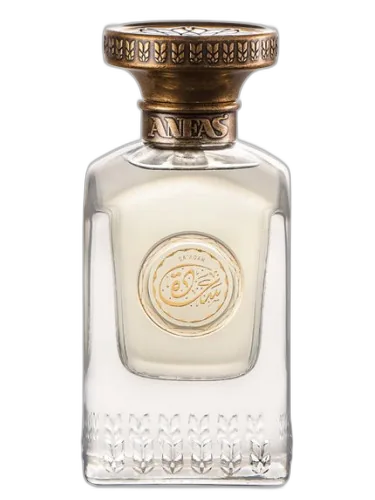
Anfas
Sa'adah Anfas
Shared top notes: neroli, orange, pine
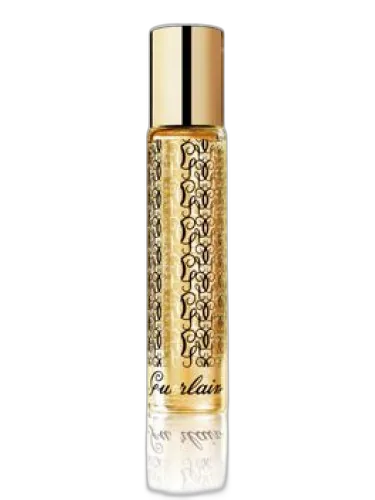
Guerlain
Garden Sensuel Guerlain
Shared top notes: neroli, rose
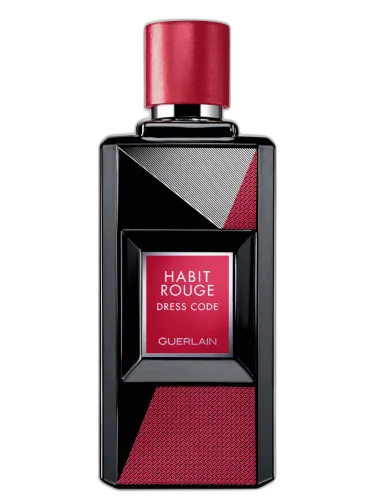
Guerlain
Habit Rouge Dress Code 2017 Guerlain
Shared top notes: neroli, rose
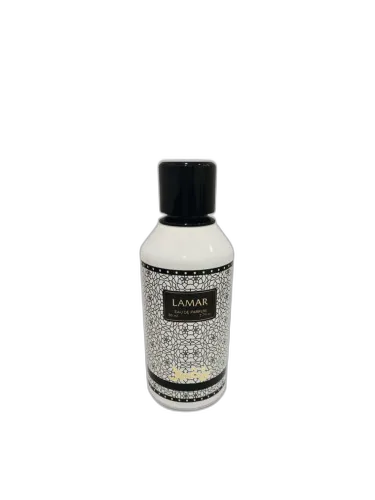
Rasht Otr
Lamar Rasht Otr
Shared heart notes: cedar
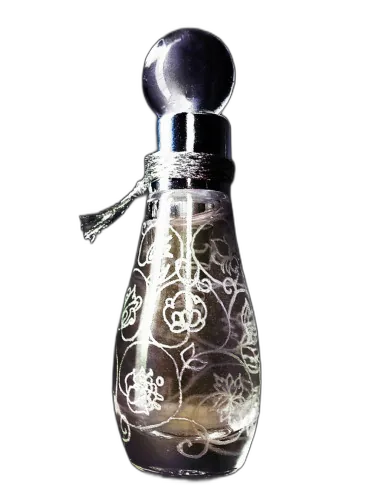
Ladanika
Lace Of Heaven Небесные Узоры Ladanika
Shared top notes: neroli, rose