
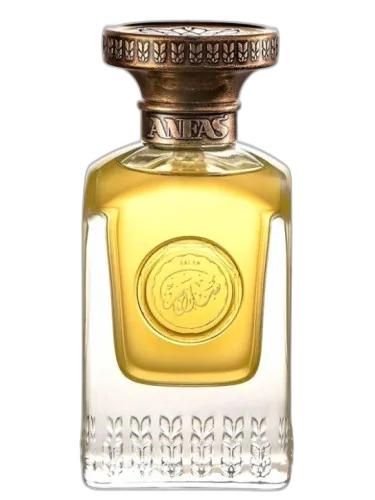
Salam Anfas
At a glance
Is Salam Anfas worth trying?
Salam by Anfas is a Floral Woody Musk fragrance for women and men.
- Best match
- Evening, Special Occasion wear in Spring, Fall
- Performance feel
- Very Good longevity with Strong sillage
- Signature profile
- citrus, powdery, amber with Mandarin Orange, Bergamot, Amber
The first impression
Salam by Anfas is a Floral Woody Musk fragrance for women and men. Salam was launched in 2014. The nose behind this fragrance is Christian Carbonnel. Top notes are Mandarin Orange and Bergamot; middle notes are Amber, Jasmine and Magnolia; base notes are Sandalwood and Musk.
What shapes the scent
The perfumer behind it

Christian Carbonnel
Christian Carbonnel is a prolific perfumer whose catalog includes diverse creations for ALYSONOLDOINI, Accendis, and Al Haramain Perfumes. His work ranges from the woody Bourbon Oud to the floral Bucato Royale, as well as the elegant Atifa Blanche and Atifa Noir. Carbonnel's style spans both niche and accessible markets, often blending traditional and modern elements.
Notes pyramid
Top Notes
First impression · 15-30 min
 Mandarin Orange
 Bergamot
Heart Notes
Core character · 2-4 hours
 Amber
Amber
 Jasmine
 Magnolia
Base Notes
Lasting impression · 4+ hours
 Sandalwood
 Musk
Musk
The mood it creates
The Sage Archetype: Portrait of Salam Anfas
Essence
The one who chooses Salam Anfas as their fragrance is, at their core, a Sage-an archetype of wisdom, introspection, and quiet mastery. Like the scent itself-deep, complex, and layered-they are drawn to the hidden meanings of life, the spaces between words, the unspoken truths that linger in the air. The Sage does not merely seek knowledge; they seek understanding, the kind that transforms perception. They are the observer, the thinker, the one who listens more than they speak, yet when they do speak, their words carry weight.
But the Sage is not without shadows. Their pursuit of wisdom can become a retreat from life, a fortress of intellect that walls them off from raw, unfiltered experience. They may mistake contemplation for action, and their detachment can harden into aloofness.
Relationships
They do not collect acquaintances; they cultivate connections with the same care one tends a rare orchid. Their friendships are few but profound, built on mutual respect and intellectual sparring. They are the confidant, the one who listens without judgment but offers insight when asked.
In love, they are slow to trust but fiercely loyal once they do. Their passion is not loud but smoldering-expressed in quiet gestures, in shared silences that speak volumes. Yet their shadow emerges here: their tendency to overanalyze can paralyze them, turning love into a puzzle to solve rather than an experience to surrender to.
Shadow
The Sage’s greatest weakness is their own mind. When unbalanced, they retreat into solitude, mistaking isolation for independence. Their pursuit of wisdom can become an escape from the messiness of life-from conflict, from vulnerability, from the very emotions that make them human. They may grow cynical, dismissing what they cannot rationalize, or worse, superior, looking down on those who live by instinct rather than intellect.
Yet their redemption lies in recognizing that wisdom is not just in the mind but in the heart, in the body, in the act of living fully. The truest Sage knows when to close the book and step into the world.
Conclusion
To encounter the Salam Anfas devotee is to meet someone who carries the scent of ancient libraries and desert winds-someone who has walked the path of knowledge but remembers that the journey is never complete. They are both guide and wanderer, thinker and seeker. And if they can embrace their shadow-if they can learn to step out of their mind and into the fire of life-they become not just wise, but whole.
If you like this, try these
Fragrances with a comparable profile - shared accords, notes, and character.
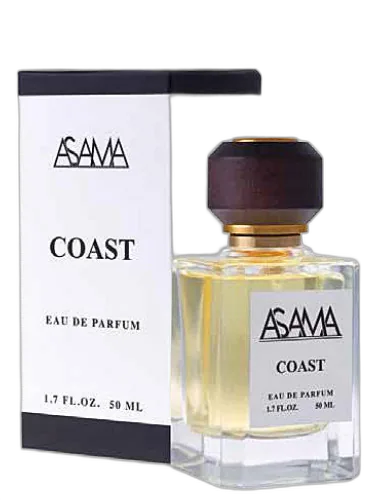
ASAMA Perfumes
Coast Asama Perfumes
Shared top notes: bergamot, mandarin orange
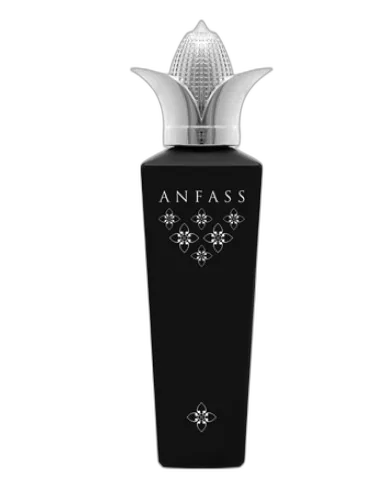
Anfas
Salam 2014 Anfas
Shared top notes: bergamot, mandarin orange
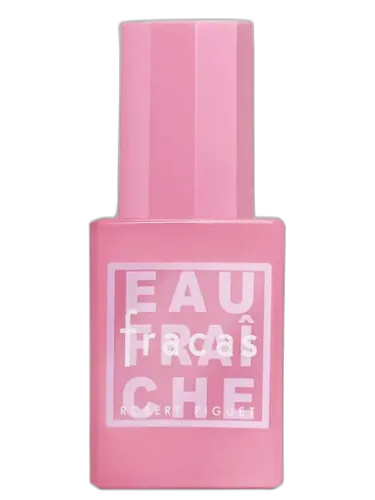
Robert Piguet
Fracas Eau Fraîche Robert Piguet
Shared top notes: bergamot, mandarin orange
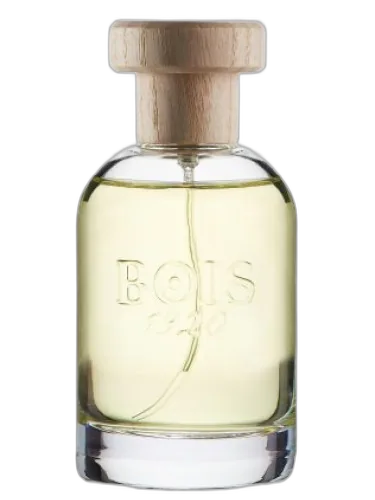
Bois 1920
Magia Bois 1920
Shared top notes: bergamot, mandarin orange
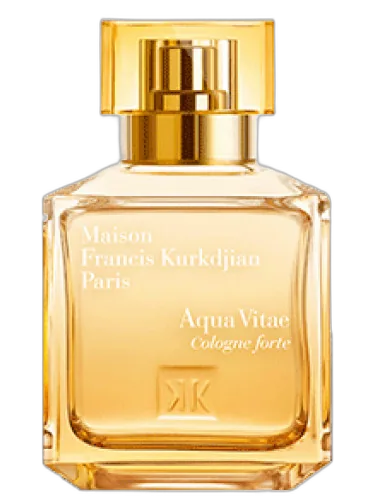
Maison Francis Kurkdjian
Aqua Vitae Cologne Forte Maison Francis Kurkdjian
Shared top notes: bergamot, mandarin orange