
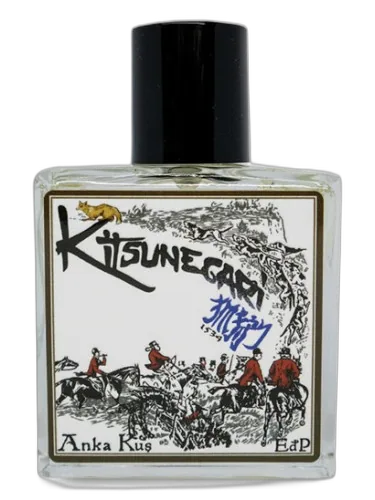
Kitsunegari Anka Kuş Parfüm
At a glance
Is Kitsunegari Anka Kuş Parfüm worth trying?
Kitsunegari by Anka Kuş Parfüm is a fragrance for women and men.
- Best match
- Evening wear in Fall
- Zodiac
- Best for Taurus
- Performance feel
- Very Good longevity with Strong sillage
- Signature profile
- citrus, amber, aromatic with Basil, Lemon, Orange Blossom
The first impression
Kitsunegari by Anka Kuş Parfüm is a fragrance for women and men. Kitsunegari was launched in 2021. The nose behind this fragrance is Ali Erkekli. Top notes are Basil, Lemon, Orange Blossom, Bergamot, Grapefruit, Lime and Tangerine; middle notes are Damask Rose, Carnation, Jasmine, Civet and Vanilla; base notes are Oakmoss, Amber, Sandalwood, Labdanum, Leather, Patchouli and Benzoin.
What shapes the scent
The perfumer behind it

Ali Erkekli
Ali Erkekli is a perfumer known for his work with Anka Kuş Parfüm, where he crafts fragrances that often blend historical and narrative themes. His olfactory style balances rich, complex compositions with a sense of storytelling, as seen in creations like A Moment In Manhattan and Ambre Destan. Notable works such as Ismail Efendi - The Rose Bandit and Jardin De Topkapi reflect his ability to weave cultural references into evocative scents.
Notes pyramid
Top Notes
First impression · 15-30 min
 Basil
Basil
 Lemon
Lemon
 Orange Blossom
 Bergamot
 Grapefruit
 Lime
Lime
 Tangerine
Heart Notes
Core character · 2-4 hours
 Damask Rose
 Carnation
 Jasmine
 Civet
Civet
 Vanilla
Base Notes
Lasting impression · 4+ hours
 Oakmoss
 Amber
Amber
 Sandalwood
 Labdanum
 Leather
 Patchouli
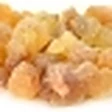 Benzoin
The mood it creates
The Wanderer Archetype: Portrait of Kitsunegari Anka Kuş Parfüm
Essence
This person is defined by the Seeker archetype-a restless soul driven by curiosity, a hunger for transformation, and an insatiable need to transcend the mundane. The fragrance they adore, Kitsunegari Anka Kuş, is not merely a scent but an olfactory manifesto: a blend of mystery, fleeting beauty, and the untamed spirit of the wild. Like the mythical fox (kitsune) and the elusive bird (anka kuş) in its name, they embody paradox-both grounded and ethereal, sensual yet intellectual, drawn to the exotic but forever questioning whether they belong anywhere at all.
Style & Aesthetic
Their aesthetic is deliberately enigmatic, a carefully curated blend of the timeless and the avant-garde. They might wear flowing silks paired with structured leather, or vintage jewelry against minimalist modern lines-always suggesting a dialogue between past and future. Their surroundings reflect this duality: a bookshelf might hold Rumi beside Nietzsche, a Japanese tea set next to a sleek espresso machine.
They are drawn to textures that evoke movement-feathers, raw linen, weathered wood-as if their very environment must whisper of journeys taken and those yet to come. Their love for Kitsunegari Anka Kuş stems from its ability to conjure the same sensation: a fragrance that shifts on the skin, never settling into predictability.
Philosophy & Values
They live by a creed of constant becoming, rejecting stagnation with near-religious fervor. Their philosophy is one of fluidity-truth is not fixed, identity is mutable, and life is an experiment in reinvention. They disdain dogma, preferring intuition and personal revelation over handed-down wisdom. Yet, this very rejection of absolutes can leave them unmoored, drifting between ideologies without ever fully committing.
Freedom is their highest ideal, but it is a double-edged sword. They despise confinement-whether in relationships, careers, or societal expectations-yet this same aversion can manifest as an inability to endure the necessary constraints of deep commitment. They are not afraid of solitude, often seeking it as a crucible for self-discovery, but they risk mistaking isolation for independence.
Relationships
Their relationships are intense but often transient. They attract others effortlessly-their magnetism lies in their elusiveness, their refusal to be fully known. Lovers and friends are drawn to their depth, but many grow frustrated when they realize this depth is not a well to be plumbed, but a river that never stops flowing.
They are capable of profound connection, but only in bursts. Long-term bonds require a surrender to routine, and this is where their shadow emerges: a fear of being trapped masquerading as a love of freedom. They may leave lovers bewildered, friendships half-finished, always chasing the next horizon where they believe their "true self" awaits.
Shadow
Beneath their quest for meaning lies an unspoken dread-what if there is no ultimate truth to find? What if the journey itself is the destination, and they have been running in circles? This fear manifests in moments of existential fatigue, where their usual vitality drains away, leaving only a hollow restlessness.
At their worst, they become the Fugitive, fleeing not toward something but away-from boredom, from intimacy, from the weight of their own potential. They may sabotage stability, mistaking it for stagnation, or grow cynical when the world fails to match their inner visions. The very qualities that make them extraordinary-their adaptability, their refusal to settle-can render them rootless, a perpetual outsider even to themselves.
Conclusion
They are a work in progress, and they know it. Their life is not a monument but a sketch, constantly revised. Kitsunegari Anka Kuş is their scent because it, too, refuses to be pinned down-it is smoke and feather, spice and air, a reminder that identity is not fixed but breathed into being moment by moment.
They will never arrive, and perhaps that is the point. Their flaw is their strength, their wandering both their curse and their salvation. To know them is to glimpse the fire of perpetual seeking-beautiful, untamed, and forever just out of reach.
If you like this, try these
Fragrances with a comparable profile - shared accords, notes, and character.
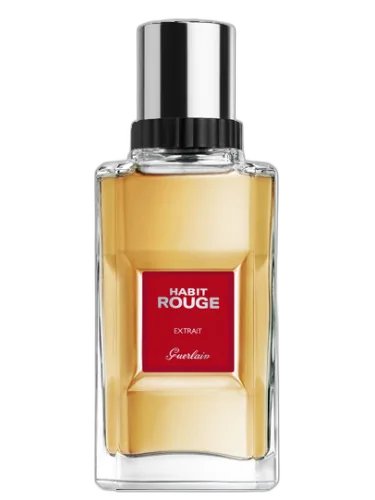
Guerlain
Habit Rouge L'extrait Guerlain
Shared top notes: basil, bergamot, lemon
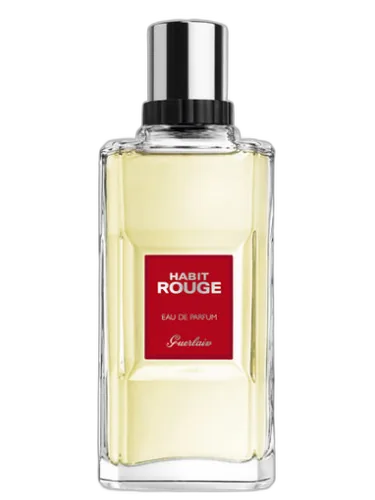
Guerlain
Habit Rouge Eau De Parfum Guerlain
Shared top notes: basil, bergamot, lemon
LaBron
Uptown Intense Labron
Shared top notes: bergamot, grapefruit
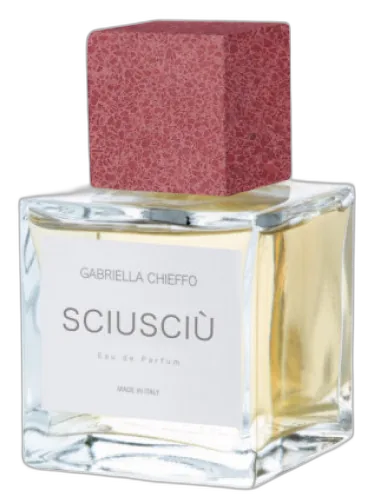
Maison Gabriella Chieffo
Sciusciù Maison Gabriella Chieffo
Shared top notes: bergamot, grapefruit, lemon
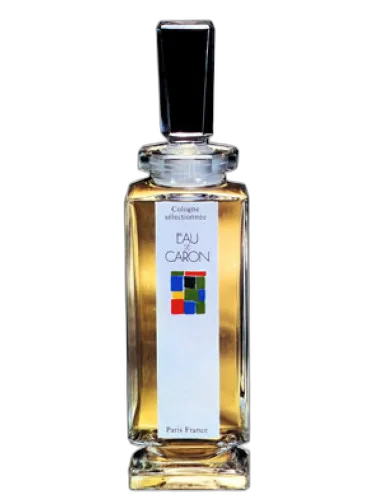
Caron
Eau De Caron Caron
Shared top notes: basil, bergamot, lemon