
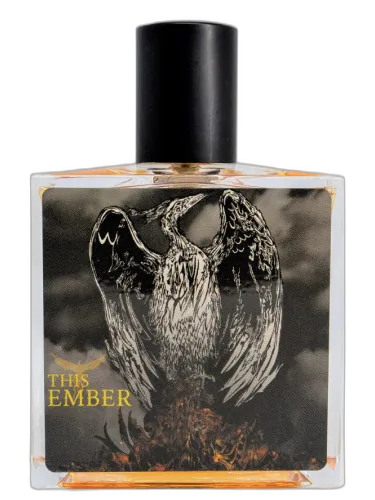
This Ember Anka Kuş Parfüm
Fragrance Story
This Ember by Anka Kuş Parfüm is a Oriental fragrance for women and men. This Ember was launched in 2021. The nose behind this fragrance is Ali Erkekli. Top note is Musk; middle notes are Amber, Vanilla, Cashmere Musk, Ambergris and Rose; base notes are Birch Tar, Labdanum, Olibanum, Agarwood (Oud), Tobacco, Myrrh, Tonka Bean, Virginia Cedar and Cinnamon.
Composition Profile
About the Perfumer

Ali Erkekli
Ali Erkekli is a perfumer known for his work with Anka Kuş Parfüm, where he crafts fragrances that often blend historical and narrative themes. His olfactory style balances rich, complex compositions with a sense of storytelling, as seen in creations like A Moment In Manhattan and Ambre Destan. Notable works such as Ismail Efendi - The Rose Bandit and Jardin De Topkapi reflect his ability to weave cultural references into evocative scents.
Fragrance Notes
Top Notes
First impression · 15-30 min
 Musk
Musk
Heart Notes
Core character · 2-4 hours
 Amber
Amber
 Vanilla
 Cashmere Musk
 Ambergris
 Rose
Rose
Base Notes
Lasting impression · 4+ hours
 Birch Tar
 Labdanum
Olibanum
Labdanum
Olibanum
.jpg) Agarwood (Oud)
Agarwood (Oud)
 Tobacco
 Myrrh
Myrrh
 Tonka Bean
Virginia Cedar
Tonka Bean
Virginia Cedar
 Cinnamon
This Ember Anka Kuş Parfüm by Anka Kuş Parfüm offers a distinctive olfactory experience that stands out from other fragrances in its category.
Crafted with the finest ingredients and a blend of traditional and modern perfumery techniques, this fragrance represents the pinnacle of the perfumer's art.
This Ember Anka Kuş Parfüm embodies the distinctive style of Anka Kuş Parfüm while adding a unique chapter to their fragrance portfolio.
Character Profile
The Lover Archetype: Portrait of This Ember Anka Kuş Parfüm
Essence
This person is most closely aligned with the Phoenix archetype-a symbol of cyclical rebirth, transformation, and the alchemy of destruction into renewal. Like the mythical Anka Kuş (the Phoenix of Turkish lore), they are drawn to fire, not as an agent of mere destruction, but as a purifying force that clears the way for regeneration. Their fragrance, This Ember Anka Kuş, is not a scent of ashes but of smoldering potential-amber, spice, and warmth that lingers like the memory of a flame.
Style & Aesthetic
They move through the world with an air of quiet intensity, neither loud nor ostentatious, but impossible to ignore. Their style is a fusion of the timeless and the unexpected-rich textures, deep hues, and an occasional flash of gold or crimson, as if embers still glow beneath the surface. They favor garments that drape and flow, suggesting both movement and restraint.
Their tastes in art, music, and literature lean toward the mythic, the mystical, and the melancholic. They are drawn to stories of metamorphosis-Ovid’s Metamorphoses, the poetry of Rumi, the haunting compositions of Arvo Pärt. They appreciate the beauty of impermanence, finding solace in the Japanese concept of mono no aware-the bittersweet awareness of transience.
Philosophy & Values
They believe in the necessity of destruction. Not mindless ruin, but the kind that makes space for what must come next. Their philosophy is one of radical acceptance: pain is not to be avoided but transmuted. They do not fear endings, for they know that every ending is a threshold.
Their values are rooted in authenticity and resilience. They despise pretense, preferring raw honesty over polished facades. They have little patience for those who cling to stagnation, yet they are not unkind-merely impatient with self-deception. Their friendships are deep but few, for they demand a level of emotional courage that many cannot sustain.
Relationships
In love, they are passionate but not possessive. They understand that love, like fire, must breathe or it will suffocate. They are drawn to those who are unafraid of intensity-who can withstand the heat without trying to control it. Their relationships are marked by periods of fierce closeness and necessary distance, for they know that too much proximity can smother even the strongest flame.
Yet, their shadow emerges here: their very adaptability can make them seem elusive, even fickle. They may leave lovers and friends bewildered by sudden withdrawals, mistaking their need for solitude as rejection. Their independence, though a strength, can become a barrier-a way to avoid the vulnerability of true interdependence.
Shadow
The Phoenix’s greatest weakness is its cyclical nature. Just as it rises, it must also burn. This person risks becoming trapped in a loop of self-reinvention-destroying parts of their life before they have fully matured, mistaking upheaval for growth. They may grow weary of their own transformations, longing for stability but fearing it as stagnation.
There is also the danger of arrogance-believing themselves above the mundane struggles of others, seeing their own suffering as more profound. They must guard against the temptation to romanticize pain, for not all fire is purifying; some burns without leaving wisdom in its wake.
Conclusion
To wear This Ember Anka Kuş is to declare allegiance to the eternal cycle of death and rebirth. This person is not afraid of the dark, for they know it is only the womb of the next dawn. Their flaw is their strength taken to excess-the belief that they must always be rising, never simply being. But in their best moments, they embody the true lesson of the Phoenix: that to live fully, one must first learn how to burn.
Similar Fragrances
Fragrances with a comparable profile - shared accords, notes, and character.
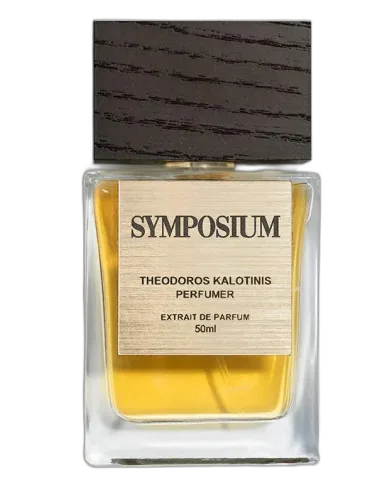
Theodoros Kalotinis
Symposium Theodoros Kalotinis
Shared accords: amber, balsamic, musky
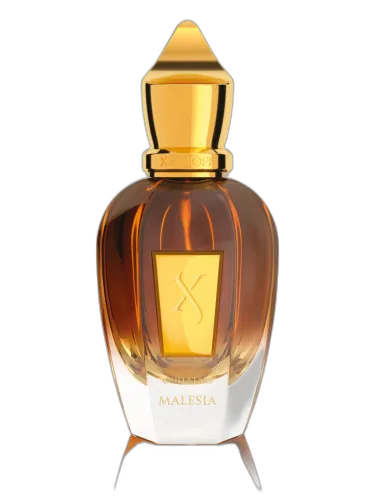
Xerjoff
Malesia Xerjoff
Shared accords: amber, animalic, balsamic

Kate Spade
Live Colorfully Luxe Kate Spade
Shared accords: amber, animalic, leather
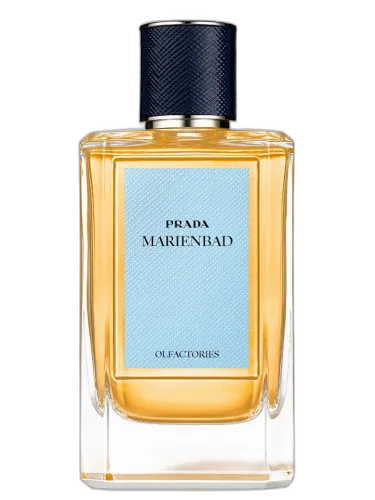
Prada
Marienbad Prada
Shared accords: amber, animalic, balsamic
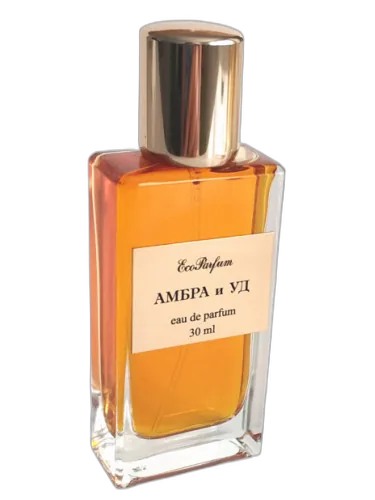
EcoParfum
Amber And Oud Амбра И Уд Ecoparfum
Shared accords: amber, animalic, balsamic