
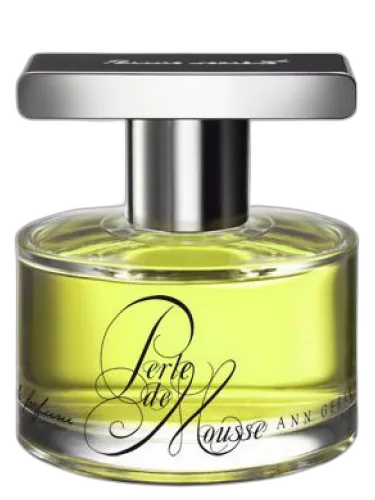

Perle De Mousse Ann Gerard
At a glance
Is Perle De Mousse Ann Gerard worth trying?
Perle de Mousse by Ann Gerard is a Chypre fragrance for women.
- Best match
- Evening wear in Spring
- Performance feel
- Good longevity with Moderate sillage
- Signature profile
- white floral, green, fresh with Ivy, Galbanum, Aldehydes
The first impression
Perle de Mousse by Ann Gerard is a Chypre fragrance for women. Perle de Mousse was launched in 2012. The nose behind this fragrance is Bertrand Duchaufour. Top notes are Ivy, Galbanum, Aldehydes, Pink Pepper, Bergamot and Green Mandarin; middle notes are Lily-of-the-Valley, Gardenia, Hawthorn, Bulgarian Rose, Jasmine and Clove; base notes are Musk, Mastic or Lentisque, Vanilla and Ambergris.
What shapes the scent
The perfumer behind it

Bertrand Duchaufour
Bertrand Duchaufour is a renowned French perfumer with a prolific career spanning many brands. He has created fragrances for Acqua di Parma, including Blu Mediterraneo - Cipresso Di Toscana and Colonia Assoluta, as well as for Aedes de Venustas, such as Café Tabac and Copal Azur. His style is known for its complexity and use of natural ingredients.
Notes pyramid
Top Notes
First impression · 15-30 min
 Ivy
Ivy
 Galbanum
 Aldehydes
 Pink Pepper
 Bergamot
 Green Mandarin
Heart Notes
Core character · 2-4 hours
 Lily-of-the-Valley
 Gardenia
 Hawthorn
Bulgarian Rose
Hawthorn
Bulgarian Rose
 Jasmine
Clove
Jasmine
Clove
Base Notes
Lasting impression · 4+ hours
 Musk
Musk
 Mastic or Lentisque
 Vanilla
 Ambergris
The mood it creates
The Lover Archetype: Portrait of Perle De Mousse Ann Gerard
Essence
Perle De Mousse Ann Gerard is not a fragrance for the restless or the loud. It is a scent of quiet depth-cool, green, mossy, with a mineral sharpness that suggests both intellect and restraint. The person who chooses this fragrance is drawn to its complexity, its refusal to be easily defined. They are not seduced by sweetness or bombast; they seek something more elusive, something that lingers in the mind rather than overwhelms the senses.
This individual is, above all, a Sage-an archetype defined by wisdom, introspection, and a relentless pursuit of truth. They are the observer, the thinker, the one who steps back from the world to understand it rather than be consumed by it.
Shadow
Yet the Sage is not without their flaws. Their greatest strength-their intellect-can become their prison. They may mistake understanding for living, believing that to analyze an experience is to fully inhabit it. They risk becoming spectators of their own lives, always one step removed, always observing rather than feeling.
Their detachment can harden into coldness. They may dismiss emotions-their own and others’-as irrational, failing to see that wisdom without compassion is merely cleverness in disguise. They might grow impatient with those who do not share their depth, retreating into an ivory tower of their own making.
At their worst, they become the Hermit, not out of necessity but out of arrogance. They may convince themselves that they are above the messiness of human connection, forgetting that even the most profound truths are meaningless if not shared.
Conclusion
Their life is a study in deliberate elegance. They prefer muted tones-soft greens, deep grays, the quiet luxury of natural textures like linen and raw silk. Their home is spare but not sterile, filled with books, carefully chosen art, and objects that carry meaning rather than mere decoration. They are drawn to the Japanese concept of wabi-sabi, finding beauty in imperfection and transience.
Philosophy is not an abstract exercise for them but a way of living. They read widely-Nietzsche, Jung, perhaps even Stoic texts-not to impress others but to refine their own understanding. They value solitude, not out of misanthropy, but because silence is where insight flourishes. Their relationships are few but profound; they do not suffer fools, but those who earn their trust find a loyal, if occasionally detached, confidant.
They move through the world with a quiet confidence, unshaken by trends or fleeting passions. Their taste in music leans toward the contemplative-perhaps Erik Satie or Arvo Pärt-and their idea of a perfect evening is a glass of dry white wine, a well-worn novel, and the slow descent of twilight.
If you like this, try these
Fragrances with a comparable profile - shared accords, notes, and character.
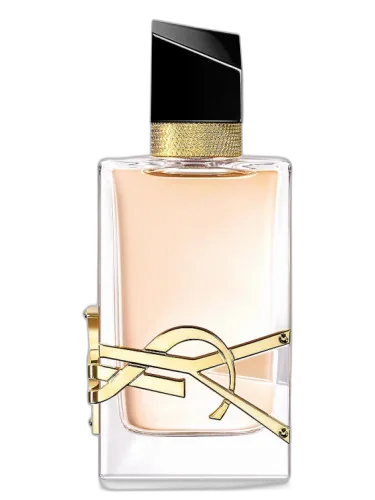
Yves Saint Laurent
Libre Eau De Toilette Yves Saint Laurent
Shared top notes: bergamot
Xerjoff
Wabar Xerjoff
Shared top notes: bergamot

Accessorize
Lovelily Accessorize
Shared top notes: bergamot
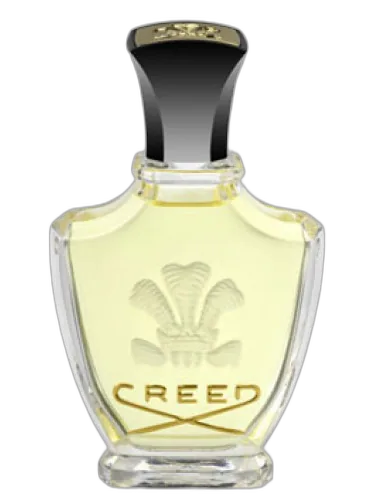
Creed
Fleurs De Bulgarie Creed
Shared top notes: bergamot
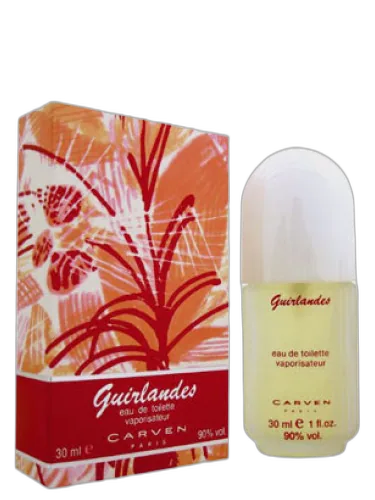
Carven
Guirlandes Carven
Shared top notes: aldehydes, bergamot, galbanum