
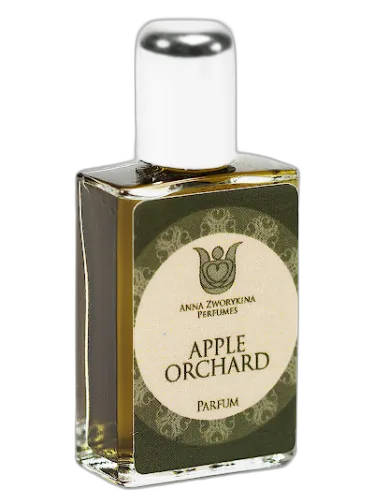

Apple Orchard Anna Zworykina Perfumes
At a glance
Is Apple Orchard Anna Zworykina Perfumes worth trying?
Apple Orchard by Anna Zworykina Perfumes is a Chypre Fruity fragrance for women and men.
- Best match
- Casual wear in Fall
- Performance feel
- Good longevity with Moderate sillage
- Signature profile
- aromatic, green, woody with Oakmoss, Galbanum, Cassis
The first impression
Apple Orchard by Anna Zworykina Perfumes is a Chypre Fruity fragrance for women and men. Apple Orchard was launched in 2010. The nose behind this fragrance is Anna Zworykina.
What shapes the scent
The perfumer behind it

Anna Zworykina
Anna Zworykina is an independent Russian perfumer known for her conceptual, narrative-driven approach to fragrance. Her style often blends stark contrasts, pairing dark, smoky, or bitter notes with unexpected brightness, as seen in creations like Black Stone and Bitter Glass. She draws inspiration from literature, memory, and nature, crafting scents such as Apple Orchard and A Ghost House that evoke specific atmospheres and emotions.
Notes pyramid
All Notes
Complete scent profile
 Oakmoss
 Galbanum
 Cassis
 Angelica
 Vetiver
 Cognac
 Oregano
 Cardamom
 Champaca
 Labdanum
 Neroli
 Lavender
 Jasmine
 Rose
Rose
 Vanilla
The mood it creates
The Lover Archetype: Portrait of Apple Orchard Anna Zworykina Perfumes
Essence
The one who wears Apple Orchard by Anna Zworykina is drawn to its crisp, sunlit sweetness-an olfactory embrace of simplicity, nostalgia, and purity. This fragrance is not heavy with mystery nor burdened by complexity; it is a scent for those who find beauty in the uncomplicated, who seek harmony in life’s fleeting moments. The dominant archetype here is The Innocent-the eternal optimist, the believer in goodness, the one who walks through life with an open heart.
Yet, like all archetypes, The Innocent has a shadow. Beneath the golden glow of their idealism lies the fear of disillusionment, the quiet dread that the world may not be as kind as they wish it to be.
Style & Aesthetic
Their tastes are unpretentious but deliberate. They prefer natural fabrics-linen, cotton, wool-clothing that breathes and moves with them, unconstrained by artifice. Their home is filled with warm woods, soft light, and perhaps a vase of wildflowers picked on a morning walk. They are drawn to folk art, handcrafted ceramics, and the muted colors of early autumn.
Music is often acoustic, lyrical, evoking pastoral scenes or childhood memories. They might love the gentle melancholy of Nick Drake or the quiet wisdom of Joni Mitchell. In literature, they favor stories of wonder and tenderness-Murakami’s dreamlike realism, the quiet magic of The Little Prince, or the earthy warmth of Wendell Berry’s essays.
They thrive in environments that allow for slow, deliberate living-a countryside cottage, a small town where neighbors know each other, or even a quiet corner of a bustling city where they can cultivate their own peace. Their daily rituals are sacred: morning tea by an open window, evening strolls under fading light.
Work is meaningful but never all-consuming. They might be a gardener, a teacher, a writer, or a healer-any vocation that allows them to nurture and create without sacrificing their inner calm.
Philosophy & Values
They believe, fundamentally, in the goodness of people. Cynicism is a foreign language to them; they speak in the dialect of hope. Their philosophy is not naive but rather a conscious choice-to see the world as it could be, not merely as it is. They value kindness above intellect, sincerity above sophistication.
Yet this optimism is not without cost. They may struggle when faced with cruelty or betrayal, not because they are weak, but because their heart remains unarmored. Their faith in humanity is both their greatest strength and their most vulnerable point.
Relationships
In love, they are tender and devoted, seeking a partner who shares their belief in simplicity and sincerity. They are not drawn to grand romantic gestures but to quiet, steady affection-shared meals, long walks, the comfort of familiar silence. Their friendships are deep but few; they do not scatter their trust lightly.
Yet their shadow emerges here as well. Their reluctance to see darkness in others can make them slow to recognize manipulation or deceit. They may forgive too easily, clinging to the hope that people will change, even when evidence suggests otherwise.
Shadow
For all their light, The Innocent carries a quiet dread-the fear that their optimism is a fragile illusion. When reality contradicts their beliefs, they may retreat into denial or cling stubbornly to fading ideals. Their greatest challenge is to reconcile their hope with the world’s imperfections without losing their essential joy.
Conclusion
Apple Orchard is the scent of someone who refuses to be hardened by life. They are not blind to suffering, but they choose-every day-to believe in sweetness. Their strength lies in their resilience, their ability to love without reservation. And though their shadow may haunt them with doubt, it is their light that defines them.
In the end, they are the ones who remind us that innocence is not ignorance-it is courage.
If you like this, try these
Fragrances with a comparable profile - shared accords, notes, and character.
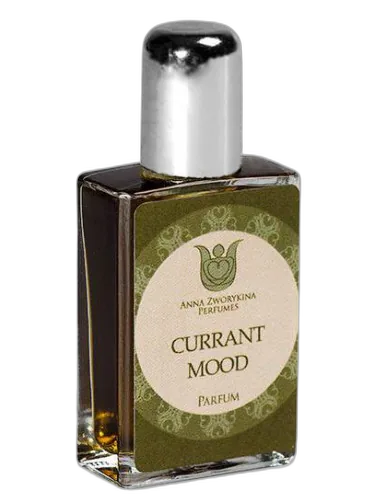
Anna Zworykina Perfumes
Currant Mood Anna Zworykina Perfumes
Shared top notes: jasmine, labdanum, lavender

Les Élixirs
Aqua Les Élixirs
Shared top notes: cardamom

O Boticário
Malbec Vert O Boticário
Shared top notes: cardamom

JoAnne Bassett
Intimacy Joanne Bassett
Shared top notes: jasmine, labdanum, oakmoss
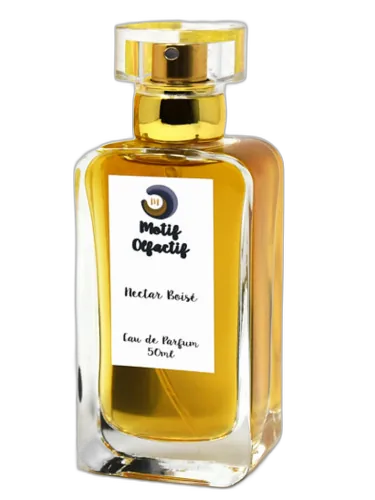
Motif Olfactif
Nectar Boisé Motif Olfactif
Shared top notes: cardamom, galbanum, labdanum