
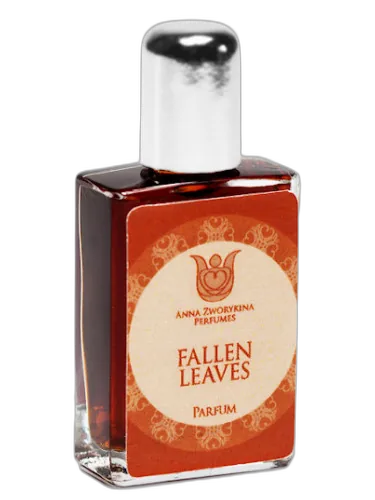

Fallen Leaves Anna Zworykina Perfumes
At a glance
Is Fallen Leaves Anna Zworykina Perfumes worth trying?
Fallen Leaves by Anna Zworykina Perfumes is a Woody fragrance for women and men.
- Best match
- Casual wear in Fall
- Performance feel
- Good longevity with Moderate sillage
- Signature profile
- amber, woody, warm spicy with Myrrh, Labdanum, Himalayan Cedar
The first impression
Fallen Leaves by Anna Zworykina Perfumes is a Woody fragrance for women and men. Fallen Leaves was launched in 2007. The nose behind this fragrance is Anna Zworykina.
What shapes the scent
The perfumer behind it

Anna Zworykina
Anna Zworykina is an independent Russian perfumer known for her conceptual, narrative-driven approach to fragrance. Her style often blends stark contrasts, pairing dark, smoky, or bitter notes with unexpected brightness, as seen in creations like Black Stone and Bitter Glass. She draws inspiration from literature, memory, and nature, crafting scents such as Apple Orchard and A Ghost House that evoke specific atmospheres and emotions.
Notes pyramid
All Notes
Complete scent profile
 Myrrh
Myrrh
 Labdanum
 Himalayan Cedar
 Tonka Bean
 Incense
 Patchouli
 Hops
Hops
 Immortelle
 Iris
Iris
 Vanilla
 Cardamom
The mood it creates
The Wanderer Archetype: Portrait of Fallen Leaves Anna Zworykina Perfumes
Essence
This person is most closely aligned with the Seeker archetype-a restless, introspective soul driven by the need to explore, question, and transcend the mundane. The scent of Fallen Leaves by Anna Zworykina, with its earthy decay and melancholic warmth, mirrors their essence: a being in perpetual transition, drawn to the beauty of impermanence. Like the leaves that drift from the trees, they are unattached yet deeply connected to the cycles of life.
Style & Aesthetic
Their wardrobe is a study in muted elegance-layers of wool, linen, and worn leather, colors that echo the forest floor in late autumn. They favor texture over sheen, depth over brightness. Their home, if they have one, is sparse but intentional: a few well-chosen books, dried botanicals, perhaps an antique map or a fragment of driftwood. They are drawn to the aesthetics of wabi-sabi, where beauty is found in the imperfect and the fleeting.
Philosophy & Values
They do not fear endings; they study them. Their philosophy is rooted in the acceptance of change, finding wisdom in decay as much as in growth. They may quote Heraclitus or Rilke, but their understanding of impermanence is not abstract-it is lived. They collect moments, not possessions, and their memories are like pressed leaves: fragile, yet preserved with care.
Relationships
They love deeply but lightly. Their relationships are marked by intensity, yet they resist confinement. They may be accused of emotional elusiveness, but their detachment is not indifference-it is the price of their freedom. They cherish those who understand that love, like autumn, is a season, not a cage. Their closest bonds are with fellow wanderers, those who speak in glances and silences rather than demands.
Shadow
Yet, the Seeker’s strength is also their flaw. Their reluctance to settle can become a form of exile, a self-imposed loneliness. They may romanticize solitude to the point of alienation, mistaking movement for growth. At their worst, they are haunted by the question: What if I’ve been running not toward something, but away? The scent of fallen leaves, once comforting, can then evoke a quiet despair-the fear that they, too, will crumble unseen into the earth.
Conclusion
Their challenge is not to abandon the journey, but to recognize when they have arrived-if only for a moment. To learn that roots need not be chains, and that even fallen leaves nourish the soil for what comes next.
They are autumn incarnate: beautiful, transient, and infinitely wise-if they dare to stop long enough to listen.
If you like this, try these
Fragrances with a comparable profile - shared accords, notes, and character.

Yves Rocher
Nouveau Genre Yves Rocher
Shared top notes: patchouli, tonka bean
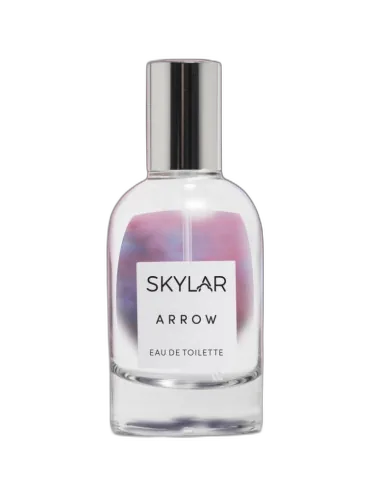
Skylar
Arrow Skylar
Shared top notes: patchouli, tonka bean, vanilla
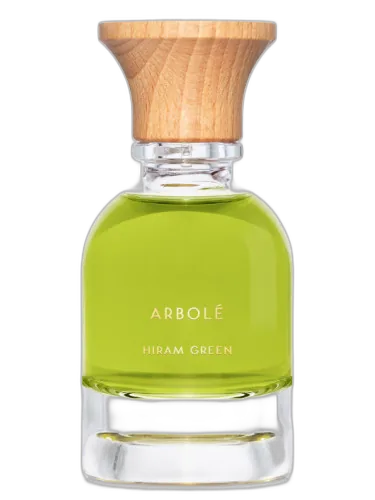
Hiram Green
Arbolé Arbolé Hiram Green
Shared top notes: patchouli, tonka bean, vanilla

EPC Experimental Perfume Club
Tonka Extraordinaire Epc Experimental Perfume Club
Shared top notes: labdanum, myrrh, patchouli
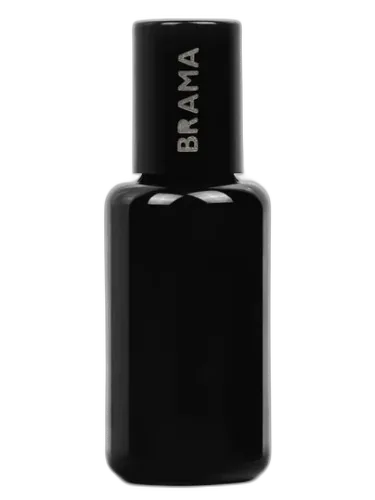
MONOM
Brama Monom
Shared top notes: incense, labdanum, myrrh