
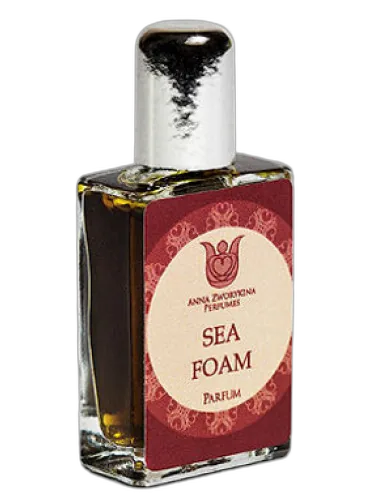
Sea Foam Anna Zworykina Perfumes
At a glance
Is Sea Foam Anna Zworykina Perfumes worth trying?
Sea Foam by Anna Zworykina Perfumes is a Floral fragrance for women and men.
- Best match
- Casual wear in Summer
- Performance feel
- Good longevity with Moderate sillage
- Signature profile
- woody, tuberose, white floral with Tuberose, Sandalwood, Cassis
The first impression
Sea Foam by Anna Zworykina Perfumes is a Floral fragrance for women and men. Sea Foam was launched in 2016. The nose behind this fragrance is Anna Zworykina.
What shapes the scent
The perfumer behind it

Anna Zworykina
Anna Zworykina is an independent Russian perfumer known for her conceptual, narrative-driven approach to fragrance. Her style often blends stark contrasts, pairing dark, smoky, or bitter notes with unexpected brightness, as seen in creations like Black Stone and Bitter Glass. She draws inspiration from literature, memory, and nature, crafting scents such as Apple Orchard and A Ghost House that evoke specific atmospheres and emotions.
Notes pyramid
All Notes
Complete scent profile
 Tuberose
 Sandalwood
 Cassis
 Massoia
 Vanilla
 Tonka Bean
 Coffee blossom
 Neroli
 Rose
Rose
The mood it creates
The Wanderer Archetype: Portrait of Sea Foam Anna Zworykina Perfumes
Essence
To wear Sea Foam by Anna Zworykina is to embrace the restless spirit of the ocean-its vastness, its mystery, its ceaseless motion. The fragrance is an olfactory paradox: salty yet soft, mineral yet alive, evoking both solitude and boundless freedom. The person who chooses this scent is not one for stagnation; they are drawn to the liminal, the places where land meets water, where certainty dissolves into possibility. Their archetype is unmistakable: The Wanderer.
Shadow
Yet the Wanderer’s strength is also their flaw. Their refusal to settle can become a refusal to commit-not just to people, but to purpose. They may mistake motion for progress, confusing the act of leaving with true growth. There is a restlessness in them that, if unchecked, can devolve into rootlessness, a life spent skimming surfaces without ever diving deep. Their independence, so vital to their spirit, can harden into detachment, leaving others feeling like waystations rather than destinations.
At their worst, they may romanticize solitude to the point of isolation, mistaking their own aloofness for enlightenment. The sea does not answer when called; neither do they, when the weight of expectation presses too close.
Conclusion
The Wanderer is not content with well-trodden paths. They seek the edges of experience, the places where the world feels untamed. Their life is a series of departures-sometimes literal, often metaphorical. They may travel frequently, or they may simply cultivate an inner landscape rich with exploration, always chasing the next revelation. Their tastes reflect this: books filled with existential questions, music that drifts like tides, art that suggests rather than declares. Their style is effortless, slightly undone-linen shirts that wrinkle with movement, hair tousled by wind, jewelry shaped like shells or driftwood.
Philosophy is not an abstraction to them but a lived experience. They believe in the fluidity of identity, the necessity of reinvention. Fixed labels feel like cages; they prefer to remain undefined, resisting the pressure to conform. Their values center on autonomy, curiosity, and the courage to leave behind what no longer serves them. Relationships are deep but transient-not from lack of care, but because they understand that some connections are meant to be fleeting, like ships passing in the night.
If you like this, try these
Fragrances with a comparable profile - shared accords, notes, and character.
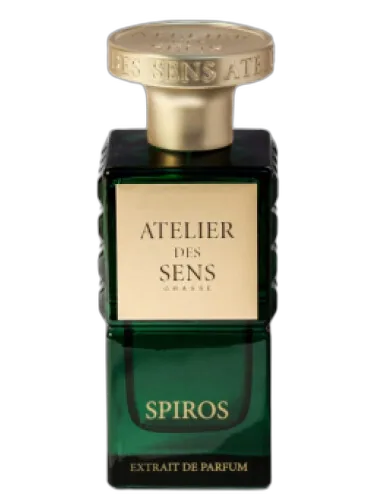
Atelier Des Sens
Spiros Atelier Des Sens
Shared top notes: tonka bean, vanilla
Frederic Malle
Une Fleur De Cassie Frederic Malle
Shared top notes: cassis, rose, sandalwood
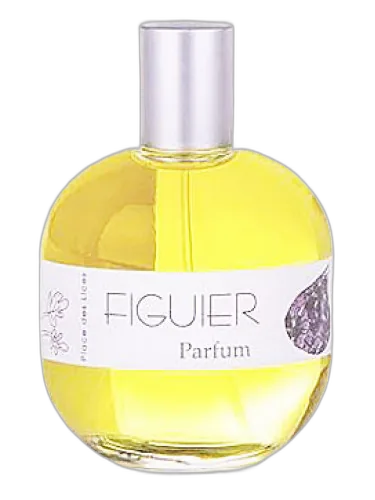
Place des Lices
Figuier Place Des Lices
Shared top notes: sandalwood, tonka bean
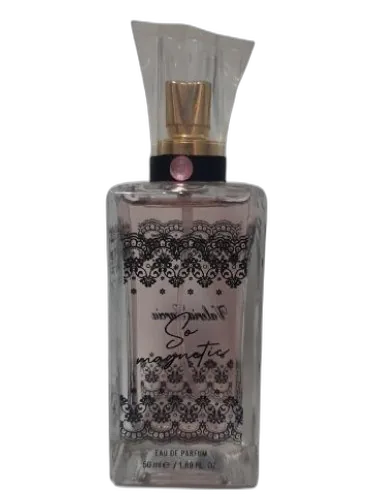
Valeria García
So Magnetic Valeria García
Shared top notes: cassis, neroli, tonka bean
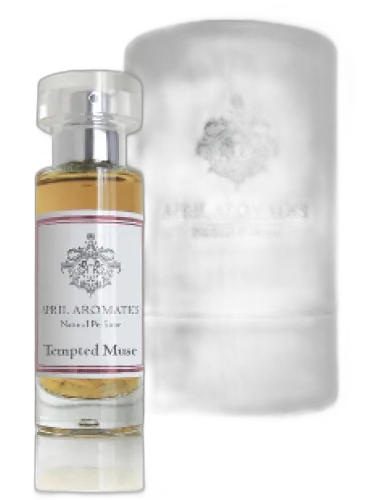
April Aromatics
Tempted Muse April Aromatics
Shared top notes: rose, sandalwood, tonka bean