
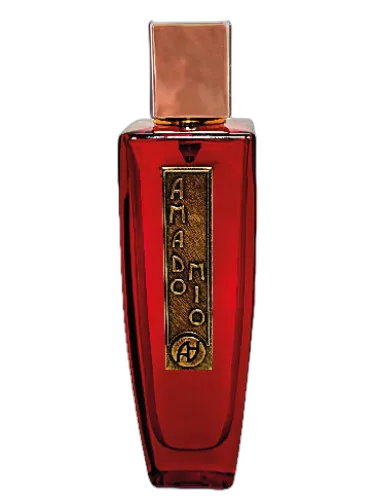

Amado Mio Antonio Alessandria
At a glance
Is Amado Mio Antonio Alessandria worth trying?
Amado Mio by Antonio Alessandria is a fragrance for women and men.
- Best match
- Evening wear in Fall
- Performance feel
- Excellent longevity with Strong sillage
- Signature profile
- sweet, rose, aromatic with Raspberry, Clary Sage, Green Notes
The first impression
Amado Mio by Antonio Alessandria is a fragrance for women and men. This is a new fragrance. Amado Mio was launched in 2023. The nose behind this fragrance is Antonio Alessandria. Top notes are Raspberry, Clary Sage, Green Notes and Lavender; middle notes are Rose, Geranium and Carnation; base notes are Tobacco, Amber, Grains, Tonka Bean, Musk, Cedar, Vetiver and Immortelle.
What shapes the scent
The perfumer behind it

Antonio Alessandria
Antonio Alessandria is an independent Italian perfumer known for his artisanal approach and deep connection to raw materials. His style blends classical elegance with bold, contemporary contrasts, often exploring resinous, floral, and woody accords. Notable creations like Fleurs Et Flammes and Rusty Vibes showcase his ability to balance intensity with refinement, while Pluvia Sacra reflects his interest in atmospheric storytelling.
Notes pyramid
Top Notes
First impression · 15-30 min
 Raspberry
 Clary Sage
 Green Notes
 Lavender
Heart Notes
Core character · 2-4 hours
 Rose
Rose
 Geranium
 Carnation
Base Notes
Lasting impression · 4+ hours
 Tobacco
 Amber
Amber
 Grains
 Tonka Bean
 Musk
Musk
 Cedar
Cedar
 Vetiver
 Immortelle
The mood it creates
The Lover Archetype: Portrait of Amado Mio Antonio Alessandria
Essence
The one who cherishes Amado Mio is defined by the Lover archetype, though not in the simplistic sense of mere romance. This is a soul who worships intensity-sensual, emotional, intellectual-and seeks to dissolve boundaries between self and experience. The Lover does not merely enjoy beauty; they are consumed by it. Their devotion is not passive but active, a relentless pursuit of what stirs their passions.
Amado Mio-"my beloved"-is a fragrance of contrasts: smoky leather, bitter citrus, and the warmth of vanilla. It is not a scent for the indifferent. The wearer is one who refuses half-measures in love, in thought, in living.
Relationships
In love, they are both poet and tyrant. Their affection is lavish, intoxicating-words whispered like secrets, gifts chosen with terrifying precision. But they demand the same fervor in return. To be loved by them is to be seen in extremes: you are either muse or stranger.
Their friendships are few but fierce. They have little patience for small talk, preferring conversations that unspool into the night, fueled by wine and the thrill of shared intensity. Yet their expectations can be a double-edged sword-they resent indifference, and those who cannot match their depth may find themselves exiled from their inner circle.
Shadow
The Lover’s greatest strength is also their flaw: their refusal of moderation. When their passions darken, they become possessive, mistaking intensity for entitlement. Love turns to obsession; aesthetic appreciation becomes elitism. They may scorn what they perceive as "common" tastes, isolating themselves in a self-made world of exquisite loneliness.
There is also a melancholic undercurrent-a fear that no pleasure, no love, will ever be enough. The very depth of their feeling means they are acutely aware of life’s fleeting nature. Some days, they drown in it, seeking solace in nostalgia or the embrace of another, only to find that even ecstasy is temporary.
Conclusion
Their tastes are baroque yet deliberate-nothing is accidental. They might favor dark, textured fabrics, the weight of aged paper in books, the slow burn of a well-aged whiskey. Their home is a sanctuary of curated beauty: a mix of antique wood, deep reds, and the faint scent of tobacco lingering in the air. Music is not background noise but an event-jazz with its improvisational fire, or the mournful swell of a cello.
Philosophically, they reject the utilitarian. Pleasure, to them, is not indulgence but a form of truth. They believe that to deny desire is to deny life itself. Yet theirs is not hedonism without thought; it is hedonism as a discipline. They savor because they choose to, not because they lack control.
If you like this, try these
Fragrances with a comparable profile - shared accords, notes, and character.
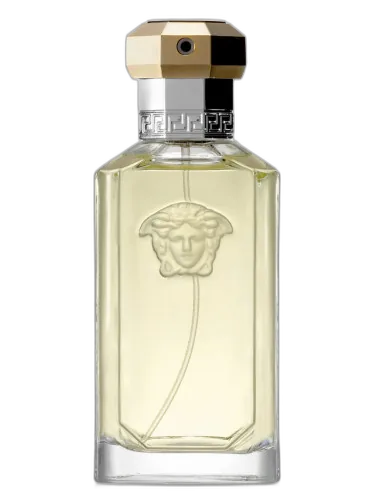
Versace
Dreamer The Original Edition Versace
Shared top notes: lavender
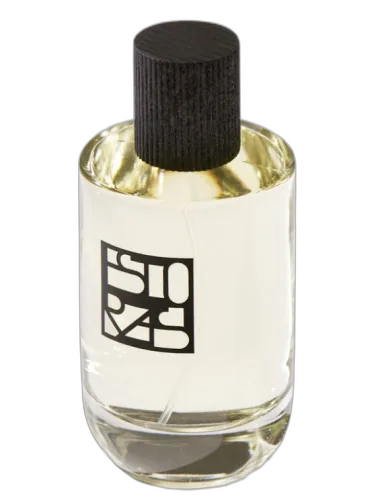
Estoras
Antal Estoras
Shared heart notes: geranium, rose

Alan Bray
Caprice Alan Bray
Shared top notes: green notes
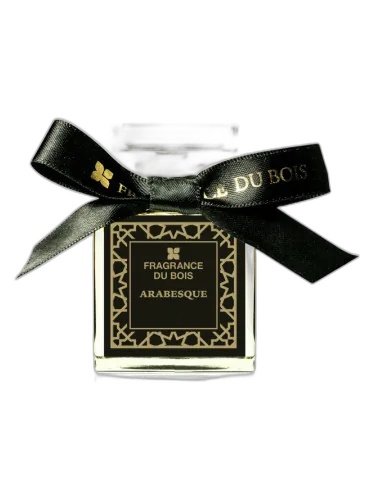
Fragrance Du Bois
Arabesque Fragrance Du Bois
Shared heart notes: geranium, rose

Lorenzo Villoresi
Vintage Collection Garofano Lorenzo Villoresi
Shared top notes: green notes, lavender