


Dies Aurorae Antonio Alessandria
At a glance
Is Dies Aurorae Antonio Alessandria worth trying?
Dies Aurorae by Antonio Alessandria is a Woody fragrance for women and men.
- Best match
- Evening, Special Occasion wear in Fall, Winter
- Performance feel
- Very Good longevity with Strong sillage
- Signature profile
- woody, balsamic, amber with Hazelnut, elemi, Caramel
The first impression
Dies Aurorae by Antonio Alessandria is a Woody fragrance for women and men. Dies Aurorae was launched in 2019. The nose behind this fragrance is Antonio Alessandria. Top notes are Hazelnut, elemi, Caramel, Pistachio and Almond; middle notes are Incense, Beeswax and Honey; base notes are Cedar, Vanilla, Tonka Bean, Patchouli, Musk and Sandalwood.
What shapes the scent
The perfumer behind it

Antonio Alessandria
Antonio Alessandria is an independent Italian perfumer known for his artisanal approach and deep connection to raw materials. His style blends classical elegance with bold, contemporary contrasts, often exploring resinous, floral, and woody accords. Notable creations like Fleurs Et Flammes and Rusty Vibes showcase his ability to balance intensity with refinement, while Pluvia Sacra reflects his interest in atmospheric storytelling.
Notes pyramid
Top Notes
First impression · 15-30 min
 Hazelnut
 elemi
elemi
 Caramel
 Pistachio
 Almond
Heart Notes
Core character · 2-4 hours
 Incense
 Beeswax
 Honey
Honey
Base Notes
Lasting impression · 4+ hours
 Cedar
Cedar
 Vanilla
 Tonka Bean
 Patchouli
 Musk
Musk
 Sandalwood
The mood it creates
The Wanderer Archetype: Portrait of Dies Aurorae Antonio Alessandria
Essence
The lover of Dies Aurorae by Antonio Alessandria is most closely aligned with the Sage-a seeker of truth, wisdom, and the hidden meanings beneath the surface of life. This fragrance, with its interplay of incense, spices, and luminous citrus, evokes the first light of dawn-an apt metaphor for their relentless pursuit of enlightenment. Like the Sage, they are drawn to the liminal, the moments between darkness and illumination, where understanding is still fluid and possibility remains open.
Yet, the Sage is not merely a passive observer. They are an alchemist of thought, distilling raw experience into knowledge. Dies Aurorae-"Day of the Dawn"-resonates with their belief in beginnings, in the perpetual rebirth of ideas. But as with all archetypes, the Sage has its shadow: the risk of detachment, of becoming so lost in contemplation that they forget to live.
Style & Aesthetic
Their world is one of refined contrasts-structured yet fluid, intellectual yet sensual. They favor textures that evoke depth: aged leather, rough linen, polished wood. Their wardrobe leans toward muted elegance, with occasional flashes of gold or deep crimson-hints of the sacred amidst the restrained.
In art, they are drawn to symbolism, to the works of Klimt or the poetry of Rilke, where beauty and meaning intertwine. Music is an intellectual experience as much as an emotional one-perhaps Arvo Pärt’s meditative minimalism or the structured chaos of late Beethoven. They do not consume; they decipher.
Their home is a temple of contemplation-bookshelves heavy with philosophy, a writing desk cluttered with half-formed thoughts, perhaps a single candle burning beside an antique hourglass. They rise early, savoring the quiet before the world intrudes. Routine is sacred, not out of rigidity, but because it carves out space for thought.
They may work in academia, writing, or any field where ideas are currency. Even in more conventional professions, they find ways to infuse their days with meaning-turning mundane tasks into meditations. Yet they must guard against the Sage’s trap: analysis paralysis, where thinking replaces doing.
Philosophy & Values
For them, life is a text to be interpreted. They reject dogma but revere wisdom, collecting philosophies like rare spices-sampling Stoicism, flirting with Zen, returning always to the question rather than the answer. They believe in the transformative power of knowledge, yet they are wary of those who claim to possess absolute truth.
Their morality is not rigid but fluid, shaped by empathy and reason rather than tradition. They value authenticity above all-not the performative kind, but the quiet alignment of thought, word, and deed. Yet this very idealism can become their undoing, as they sometimes judge others (and themselves) too harshly for failing to meet such exacting standards.
Relationships
They are not easy to know. Their warmth is real but measured, their intimacy earned rather than freely given. They attract others with their depth, but few are willing to navigate the labyrinth of their mind. Romantic partners must be both confidants and fellow travelers-someone who understands that love, like wisdom, is not static but a continual unfolding.
Friendships are few but enduring, built on mutual respect rather than convenience. They have little patience for small talk, preferring conversations that spiral into the abstract. Yet their shadow looms here: they can become isolated in their intellect, mistaking solitude for strength and connection for compromise.
Shadow
The Sage’s greatest weakness is their own brilliance. They can become lost in abstraction, mistaking the map for the territory. Their pursuit of truth can harden into intellectual pride, a quiet arrogance that dismisses simpler, more visceral ways of being.
At their worst, they retreat into a self-made ivory tower, where the world is reduced to theory. They may scorn emotion as irrational, forgetting that wisdom without warmth is sterile. The challenge for them is to descend from the heights of thought-to touch the earth, to embrace the messiness of life without needing to dissect it.
Conclusion
The lover of Dies Aurorae walks the line between light and shadow, forever drawn to the promise of dawn but aware of the darkness that precedes it. They are neither purely the Sage nor wholly its shadow-they are the tension between the two, the thinker who must learn to feel, the seeker who must sometimes stop searching and simply be.
In the end, their fragrance is more than a scent-it is a sigil, a reminder that every dawn is fleeting, and wisdom lies not just in seeing the light, but in knowing when to close one’s eyes and breathe it in.
If you like this, try these
Fragrances with a comparable profile - shared accords, notes, and character.

Odetu
Diva Magdalina Odetu
Shared heart notes: incense

Nectar Olfactif
Suprême Nectar Nectar Olfactif
Shared top notes: almond

Edgardio Chilini
Chestnut Sorbet Edgardio Chilini
Shared base notes: cedar, musk, patchouli

Pastor Privé Parfums
Big Calm Pastor Privé Parfums
Shared top notes: almond
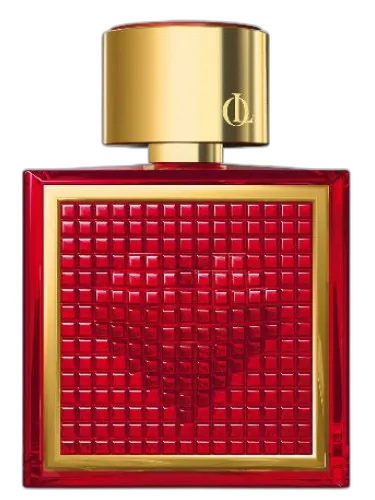
Queen Latifah
Queen By Queen Latifah Queen Latifah
Shared base notes: musk, patchouli, sandalwood